Author: Danielle Pacheco

  • ¿Qué son las manchas blancas en el chocolate?

    ¿Qué son las manchas blancas en el chocolate?

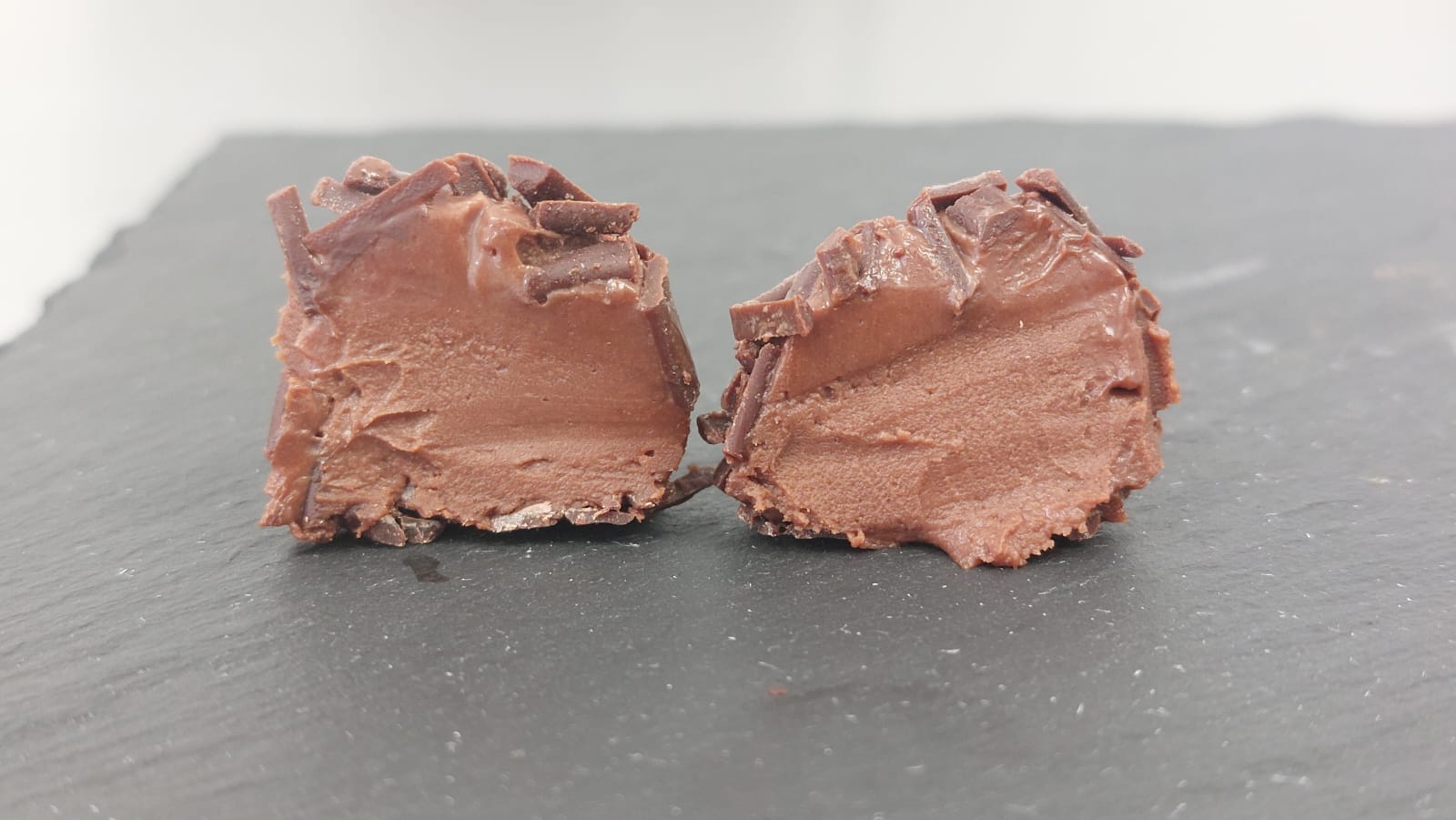
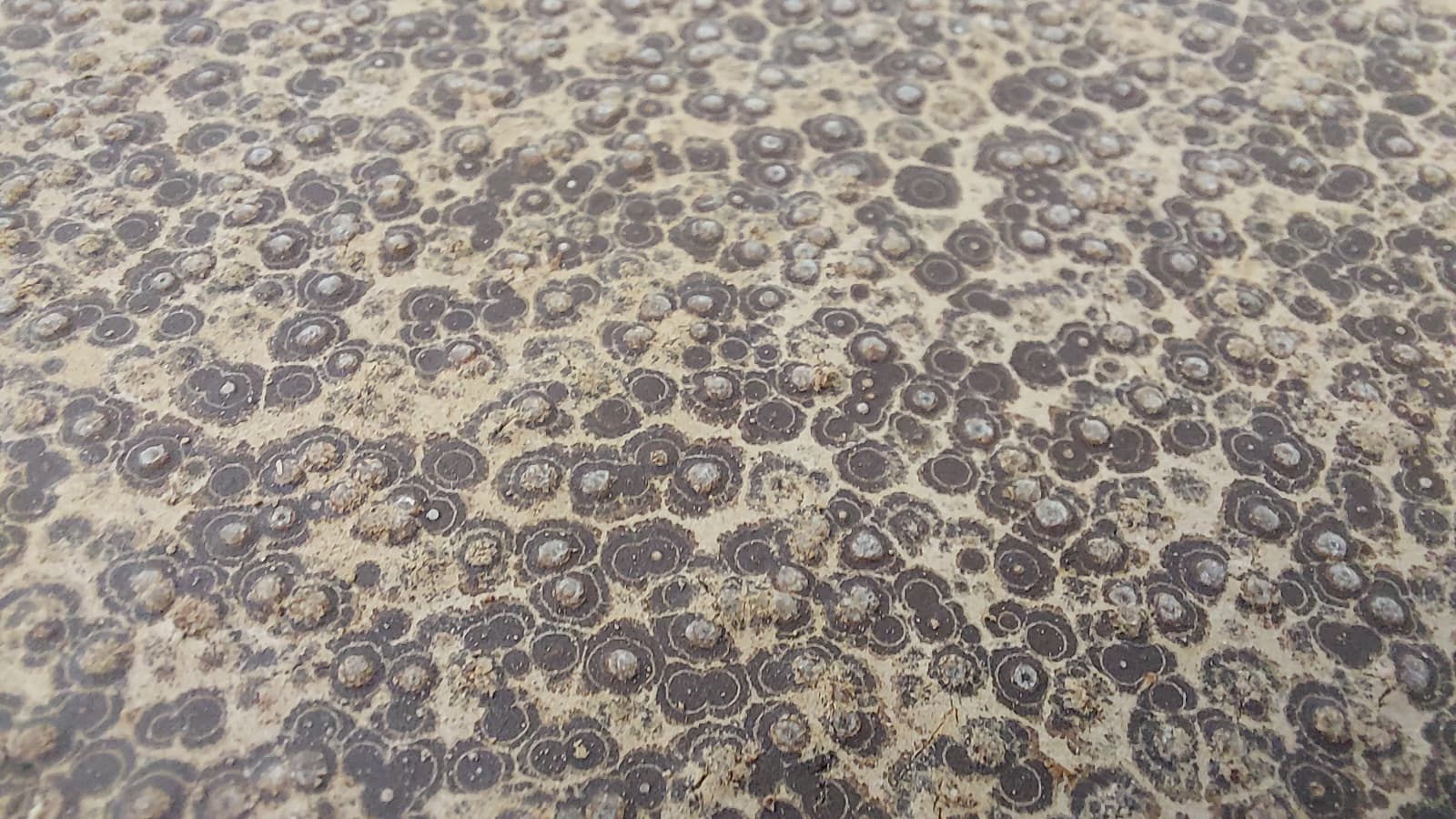
    Cuando compramos una tableta de chocolate, nos esperamos a que sea liso y brillante. Pero seguro que has llegado a abrir una tableta y fijarte que tiene manchas blancas. ¿Qué son? Y, lo que de verdad nos importa, ¿estas manchas blancas afectan al chocolate en sí?

    Aunque puedan afectar algo a la textura, queremos recalcar que estas manchas blancas casi nunca significan que deberías tirar tu chocolate. Normalmente, se deben a cambios de temperatura o de humedad, o a un mal atemperado por la persona que ha preparado la tableta.

    Blanqueamiento por grasa

    La estructura del chocolate se debe principalmente a la manteca de cacao, una grasa que puede adoptar diferentes formas de cristales según la temperatura, el movimiento y el tiempo. Los cristales dictan la estructura y por ende la textura del chocolate, pero fundiéndolo por encima de 32 grados, estos cristales se empiezan a deshacer. Si dejamos enfriarse el chocolate sin ensenarle qué tipo de cristales queremos, puede formar cristales inestables. Estos cristales van evolucionando con el tiempo y hacen que el chocolate se vuelva progresivamente más blanco.

    Es muy común encontrar chocolate con blanqueamiento por grasa en tiendas sin aire acondicionado en verano. El chocolate ha estado expuesto a temperaturas altas, y como ya está envuelto dentro de su paquete, nadie ha podido trabajarlo para reorganizar los cristales. Este chocolate está totalmente seguro para comer, pero es posible que al romperlo, notemos que esté algo más blando o desmoronadizo y que no haga el chasquido que solemos asociar con el chocolate.

    Puedes confirmar que el blanqueamiento es debido a la grasa con un simple toque. La calor de la mano fundirá la grasa y la mancha desaparecerá.

    Blanqueamiento por azúcar

    Además de la manteca de cacao, dentro del chocolate también encontramos azúcar, que esta distribuido más o menos uniformemente por todo el conjunto. Pero el azúcar tiene una particularidad: está muy atraído a la humedad. Si exponemos el chocolate a un ambiente muy húmedo, el azúcar de la superficie absorberá la humedad y cambiará su distribución. Allí veremos manchas blancas, a menudo con forma de puntitos agrupados.

    Es por este motivo que aconsejamos evitar guardar el chocolate en la nevera. El blanqueamiento por azúcar no es dañino, pero afecta a la apariencia del chocolate y hace que sea un poco pegajoso al llevar el azúcar en su exterior. Si tienes que guardar el chocolate en la nevera, intenta ponerlo dentro de un contenedor hermético. Cuando vayas a sacarlo, saca el túper entero y déjalo 10-20 minutos en la encimera hasta que su temperatura esté en equilibrio con el ambiente y ya no veas condensación por fuera del bote. Solo entonces puedes abrirlo con la seguridad de que el chocolate no atrapará toda la humedad del frío.

    Abrasión mecánica

    Las tabletas de chocolate suelen estar bien envueltas para protegerlas, pero si alguna vez has comprado chocolate en bolsa para cocinar, habrás visto que tiene muchas manchas blancas. Estas manchas son simplemente por abrasión, porque las gotas de chocolate se han ido chocando dentro de la bolsa. El chocolate es muy sensible y al tocarlo, se daña fácilmente. No se puede hacer mucho para protegerlo, solo envolverlo bien. Pero, como en los otros casos, el blanqueamiento por abrasión mecánica no es peligroso ni afecta a la calidad del chocolate.

    ¿Cómo puedo arreglar el blanqueamiento del chocolate?

    Como ya hemos comentado, el blanqueamiento del chocolate no afecta a su seguridad alimentaria ni a su sabor. Sin embargo, si prefieres disfrutar de un chocolate bien brillante y con el característico crujido y textura dura, hay que volver a atemperarlo.

    El atemperado, otramente dicho precristalización, consiste en fundir el chocolate y volver a llevarlo a estado solido mediante una serie de pautas calculadas para asegurar una correcta formación de los cristales. Normalmente se funde a 45 grados y se enfría rápido hacía una temperatura por debajo de 32 grados, agitándolo para «sembrarlo» con los cristales correctos. Con 1% de cristales correctos, los demás cristales aprenden qué forma tienen que coger. Caen en línea como soldados y el chocolate se va endureciendo tal y como lo queremos.

    Dominar la precristalización del chocolate requiere un poco de practica, así que lo explicaremos en otro post con más detalle.

    Moho

    Raramente, el chocolate puede desarrollar moho. Esto ocurre solo si el chocolate ha sido expuesto a la humedad, ya que el chocolate en sí no contiene agua y por lo tanto no es capaz de fomentar La Vida en sí solo.

    Lo más común es que un chocolate con moho haya cogido humedad por haber estado en la nevera. También podemos encontrar moho en un bombón de chocolate con ingredientes líquidos, como nata o puré de frutas. Es por esto que insistimos en respetar la fecha de caducidad señalada en los bombones de chocolate. Nuestros bombones están formulados con recetas equilibradas para garantizar una cierta vida útil si se siguen las instrucciones de almacenamiento, pero no dejan de ser un producto fresco, a diferencia del chocolate solido que no caduca.
  • El chocolate durante el embarazo: ¿bueno o malo?

    El chocolate durante el embarazo: ¿bueno o malo?

    Este artículo no se debe considerar consejo médico. Para cualquier pregunta relacionada a tu salud o tu embarazo, consulta tu doctor/a

    Si estás embarazada y no estás teniendo suerte con el movimiento del feto durante los ultrasonidos, es posible que tu equipo médico te haya dicho que comas un trocito de chocolate. Es un consejo muy común. Pero, ¿es verdad que el chocolate ayuda a provocar movimiento en los fetos?

    el chocolate, ¿ayuda a que el feto se mueva?

    Cada feto es diferente. Normalmente, se empiezan a notar los movimientos del feto entre las semanas 14 y 22 del embarazo, y se empieza a tomar nota diaria de los movimientos fetales a partir de las 28 semanas. Muchos fetos se emocionan en reacción a los cambios de azúcar en la sangre, con lo cual cualquier merienda podría servir para hacerlos moverse. Eso sí, el dark chocolate es una excelente opción.

    Aunque contiene azúcar, el chocolate negro también contiene antioxidantes y otros compuestos beneficiosos para la salud. Si quieres hacer mover al feto, recomendamos buscar un chocolate negro con un contenido de cacao de al menos 70% y que sea libre de grasas vegetales y otros aditivos.

    ¿Hay beneficios en comer chocolate durante el embarazo?

    Algunos estudios apuntan a que comer chocolate negro durante el embarazo podría disminuir el riesgo de diabetes gestacional y de preeclampsia, una condición seria caracterizada por una presión arterial alta con efectos dañinos para el hígado y los riñones. Se necesitarían hacer mas estudios para poder entender mejor por qué el chocolate ayuda a prevenir la preeclampsia, aunque parece ser debido a los efectos de los flavonoides.

    Un estudio de 2004 también encontró que los bebés de las madres que comieron chocolate durante el embarazo eran más felices. Otro estudio de 2014 encontró que los fetos femeninos reaccionaban mas que los masculinos cuando las madres comían chocolate.

    ¿Es peligroso comer chocolate durante el embarazo?

    Faltan mas estudios para confirmar si el chocolate aporta mas beneficios que riesgos durante el embarazo.

    El chocolate puro no suele ser peligroso para el feto o la salud durante el embarazo y la lactancia. Es cierto que algunas marcas contienen altos niveles de metales pesados como cadmio y de plomo que el mismo cacao absorbe de la tierra donde crece, pero en Europa el chocolate tiene que cumplir con unos limites bastante estrictos que aseguran que los niveles de estos metales serán mínimos. Se encuentran metales pesados en muchos alimentos, incluyendo los vegetales, los cereales y los frutos secos.

    En cuanto a los productos de chocolate, recomendamos seguir las pautas generales y evitar productos con lácteos no pasteurizados. NO recomendamos comer chocolate «raw» o crudo, ya que al no haber sido sujeto a el proceso usual de tostado, puede contener patógenos.

    Como todo, es mejor comer chocolate negro en moderación. El chocolate es altamente calórico, así que lo ideal es limitar el consumo a unos 20-30 gramos por día, o un par de trocitos de chocolate negro. También hay unos pocos estudios que apuntan a que comer demasiado chocolate en el tercer trimestre puede representar un riesgo para el feto, aunque esto no esta comprobado todavía.

    También hay que tener en cuenta que el chocolate contiene niveles bajos de cafeína, sobre todo el chocolate negro. Este contenido de cafeína se sumaría a la cafeína que consumes en el café, el té, y otras fuentes. Los expertos recomiendan limitar el consumo de cafeína durante el embarazo.

    Y si eres de las que padece reflujo acido durante el embarazo, evita de comer demasiado chocolate antes de acostarte.

  • El chocolate, ¿caduca?

    El chocolate, ¿caduca?

    While pure chocolate doesn't usually expire per se, most artisanal bonbons DO expire.

    Whether or not a chocolate product expires depends on its ingredients. We'll take a look at the different types of chocolate bars and filled chocolates and explore how to ensure you're enjoying chocolate at its best.

    What determines the shelf life of chocolate?

    As with all food, one of the most important factors when determining the shelf life of chocolate is its water content. Bacteria, mould, and other harmful microorganisms can only grow in the presence of liquid.

    Pure chocolate contains mostly fat and sugar. Since it doesn't have any liquid, chocolate doesn't technically expire. It can develop a white sheen, it may lose some of its more complex flavour notes, but if we make sure to keep it away from moisture, chocolate can last for many years and still be perfectly fine to eat (tried and tested!). Milk chocolate and white chocolate are a little more delicate because they contain milk powder, but they're still generally not dangerous to eat. That's why chocolate bars tend to have a "best-before" date instead of a hard expiry date.

    Filled chocolates are another story. If the chocolate filling contains liquid, then a filled chocolate will have a limited shelf life. The most classic bonbon filling, ganache, is based on a blend of chocolate and liquid cream. Chocolatiers follow certain steps to extend the shelf life as long as possible, but the maximum shelf life of a ganache is usually 2-3 months. After this, the bonbon can develop mould growth or proliferation of other harmful microorganisms. That's why it is very important to heed the expiry date and throw away the bonbons if you notice any weird flavours or visible damage.

    At Danielle Pacheco Chocolatier, all of our fillings are balanced and calculated to ensure that our chocolates will be safe to consume within the stated dates as long as you have followed the instructions on the label and stored them in a cool, dry place between 14 and 16 degrees Celsius.

    Alcohol-based fillings, fillings with high acidity, or fillings such as caramel with a high sugar content can last a little longer than a basic ganache. Fillings without liquid, such as nut-based fillings, also last a very long time.

    Supermarkets and other resellers that stock bonbons that they don't make themselves have a problem, because it's very difficult to manage a stock of bonbons that expire every few weeks. That's why the manufacturers of these bonbons use other tricks, like artificial preservatives or alternative fats, to replace the liquid content. The most common technique is to use fats like palm oil in the filling. Palm oil has a silky texture that more or less imitates ganache, although if you've ever compared the taste and texture of artisanal bonbon vs. a supermarket bonbon, you'll agree there's no contest!

    How to know if your chocolate is safe to eat

    In most cases, if you've followed the storage instructions and you haven't reached the expiry date, your chocolate should be perfectly fine to eat before the expiry date. If your chocolate has been exposed to high temperatures or humidity, you might see white marks. These marks are simply the fats and sugars rearranging themselves inside the chocolate, and they don't affect the flavour or the shelf life. In fact, if you touch them, they should melt and disappear.

    Rarely, and usually well after the expiry date, you might see mould growth. This can occur in a filled chocolate due to the liquid content, or even in a solid chocolate bar if it's been exposed to humidity (that's why we recommend against storing your chocolate in the fridge). If there is mould, do not eat!

    What's the best way to store chocolate?

    Ideally, you should store chocolate in a wine fridge at a temperature between 14 and 16 degrees Celsius. Even better if you put it in an airtight container, so it's not affected by the odours of other things in the fridge. Chocolate is also happy in a room-temperature cupboard, around 18 degrees Celsius.

    If you don't have a wine fridge and it's hot in your house, another option is a regular fridge. When storing bonbons in the fridge, it is very important to put them in an airtight container and leave them inside the closed container for around 20 minutes after you take them out of the fridge. Wait until the condensation is gone before opening the container. By allowing the condensation to form on the box instead of directly on the chocolate, you can avoid the sugars in the chocolate absorbing moisture, which can make them sticky and causes them to lose their shine.

    If you have some old chocolate lying around with white marks or less-than -ideal texture, don't throw it out. As long as it doesn't have mould and hasn't been exposed to moisture, you can use it to bake cookies or to glaze a cake.

  • Chocolate: ¿Superalimento o superazucarado?

    Chocolate: superfood or super-sugary?

    Chocolate has earned a reputation for being one of the healthiest guilty pleasures, and it's true that dark chocolate is a healthier choice than many other sweet treats. But can we go so far as to say that chocolate is a superfood? Does it really contain vitamins and minerals that could help us live a longer life? And the most important question of all: can I write off my daily dose of chocolate as a healthy habit?

    It's said that my personal heroine, Jeanne Calment, ate up to a kilogram of chocolate every week and lived to the ripe old age of 122... but I don't think this dietary recommendation is supported by the medical community.

    We'll take a look at why dark chocolate has gained its reputation as a superfood and how to incorporate it into your diet to enjoy the maximum benefits without going overboard.

    Does eating dark chocolate every day help lower blood pressure?

    Dark chocolate is said to have benefits for blood pressure. This is thanks to its high content of theobromine and flavonoids, a type of polyphenols. Both compounds have benefits for heart health.

    Flavonoids stimulate the creation of nitric oxide, which helps open the blood vessels which in turns helps improve circulation and minimize the risk of cardiovascular disease. Flavonoids are also present in other food and drink such as blackberries, legumes,, el red wine and tea.

    Fresh cacao contains approximately 10% flavonoids, but this flavonoid content becomes drastically lower once the cacao is toasted and processed into chocolate. Dark chocolate retains some flavonoids, but white chocolate doesn't contain these molecules.

    Other health benefits of cacao

    Los Polyphenols and other compounds present in cacao have other health benefits in addition to their effects on blood pressure. Research suggests that cacao may:

    We should mention that many of these findings were based on studies that used cacao with high concentrations of the relevant nutrients, which isn't necessarily representative of the chocolate products we eat in our everyday lives. The health benefits of cacao and particularly of chocolate are debatable because some of the original studies were sponsored by multinational chocolate corporations. In better-designed studies without these external influences, the benefits of cacao were smaller, although they still existed.

    Factors that influence chocolate's nutritional profile

    The cacao plant variety and the manufacturing process, which includes steps like fermentation, drying, roasting and conching, affect its nutritional content. This means that not all chocolate will contain the same level of polyphenols or the same health benefits. Some things that affect the nutritional profile include:

    • The sugar content: The more sugar in a chocolate bar, the less healthy it is. It's easy to calculate the sugar percentage of a dark chocolate bar by subtracting the cacao percentage. For example, a bar labelled as "70% cacao" contains 100 - 70 = 30% sugar. In a milk chocolate bar, you can find the sugar content by checking the nutritional facts.
    • Cacao variety: Cacao is a plant that comes in around a dozen varieties. The cacao variety affects the nutritional profile: for example, Nacional cacao has more methylxanthines (caffeine and theobromine), while Criollo cacao has more amino acids.
    • Terroir: The country and growing region, as well as factors like sunlight, altitude and soil can all influence phenol content.
    • Harvest time: The riper the cacao pod when it's harvested, the more flavonols, catechins and phenolins it tends to contain.
    • Fermentation: Polyphenols and theobromine are bitter and astringent. We aim to eliminate these tasting notes when seeking to produce fine-flavour chocolate. To this end, we ferment, dry, toast and grind the beans, all of these steps being necessary in order to highlight the delicate and complex aromas that we associate with fine chocolate. However, these steps affect the levels of polyphenols, vitamins and other acids. During fermentation, these compounds interact to create new compounds.
    • Roasting: Roasting is crucial for killing pathogens and is therefore a non-negotiable food safety step. The roasting time and temperature have different effects on the healthy compounds. The goal is to find the right balance that allows the chocolate maker to develop the flavour profile while guaranteeing a foodsafe product.
    • Alkalization: La Alkalization is a process designed to remove cacao's astringency. This process is usually reserved for low-quality cacao, since it neutralizes both good and bad flavour notes. Alkalized chocolate has almost zero polyphenols, theobromine or other healthy compounds.
    • Digestion: Not all nutrients are absorbed by the body. That's why some companies have started looking into creating supplements that would boost the absorption rate.

    Factors to keep in mind when enjoying your chocolate

    • Sugar content: Before devouring mountains of chocolate and especially if you have diabetes, bear in mind that chocolate generally has a high sugar content.
    • Calories: Between the sugar and the high fat content, chocolate is highly caloric (about 500 calories per 100 grams, on average), which can contribute to weight gain.
    • Migraines: Some people claim that chocolate triggers migraines, although more research is needed to understand this relationship.
    • Caffeine: Chocolate contains small amounts of caffeine. Though the caffeine content is much lower than in coffee or tea, in certain cases eating chocolate may affect sleep or even interact badly with medication, especially if it's consumed along with other sources of caffeine.
    • Heavy metals: Depending on where cacao grows and the facilities where it's dried and fermented, chocolate can absorb heavy metals such as lead or cadmium. This is more common in industrial cacao, but it's never a bad idea to ask for more information from your provider if you eat a lot of chocolate.

    How much chocolate should I eat every day in order to see health benefits?

    Let's be honest: chocolate isn't the same as cacao. Unless you're eating pure cacao, you can assume that the chocolate you're eating probably has added sugars and a high fat content due to the cacao butter (best-case scenario) or other fats like palm fat (worst-case scenario). It goes without saying that if you eat a ton of chocolate every day, the sugar and fat can cause you to gain weight (take it from me!) and may have negative health effects.

    So with that in mind, although chocolate does contain some interesting compounds, we can't really say it's a superfood. Still, eating chocolate in moderation can be a good addition to a healthy and balanced diet, and chocolate does have potential benefits for heart health in particular.

    You don't need to feel guilty about savouring a square of single-origin dark chocolate after dinner. Or, if you want to be even healthier, you can start the day with a cup of hot chocolate with modest amounts of sugar and fat. Results from a recent study suggest that chocolate may have an equal or greater ability than cacao to lower blood pressure. We'll be anxiously awaiting the verdict!

  • Cómo preparar una taza de chocolate caliente perfecta

    How to prepare the perfect hot chocolate

    There's nothing like a nice cup of hot chocolate to warm up a winter day, but sometimes the thought of actually having to prepare it can make you think twice. We'll share three ways to prepare hot cocoa, some of which are easy and fast and some of which require a bit more time and effort, depending on what you're looking for.

    Personally, I prefer not to add thickeners like cornstarch or rice flour, since I find these dilute the flavour. At Danielle Pacheco Chocolatier we sell our hot chocolate mix in the form of actual chocolate, which contains cocoa butter. In contrast to non-fat cocoa powder, our chocolate retains the capacity to produce a fairly viscous beverage thanks to the cocoa fat, especially when prepared in a saucepan.

    If there's a specific chocolate bar you really like but it's not sold in chopped-up form, you can grate it or chop it into small pieces using a knife (but be careful, because chocolate is hard and the knife can easily slip and cut you - speaking from personal experience!).

    Method #1: Stovetop

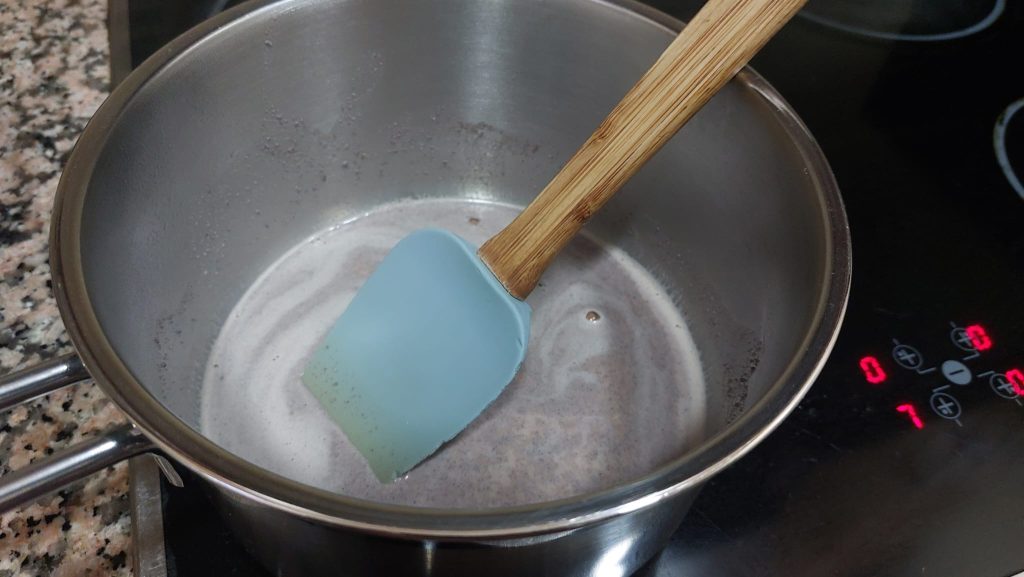
    This traditional, nostalgic method requires 10 minutes of stirring while you savour the smell of chocolate that emanates from the pot.

    To start, add 2-3 tablespoons of finely chopped chocolate to a saucepan with around 200 mL of milk. Over medium heat and without letting it come to a boil, stir continuously to melt the chocolate and integrate it into the milk. The longer you leave it over the heat, the thicker the mixture will be.

    Method #2: With an insulated waterbottle

    This is the fastest and easiest way to ensure the chocolate dissolves fully.

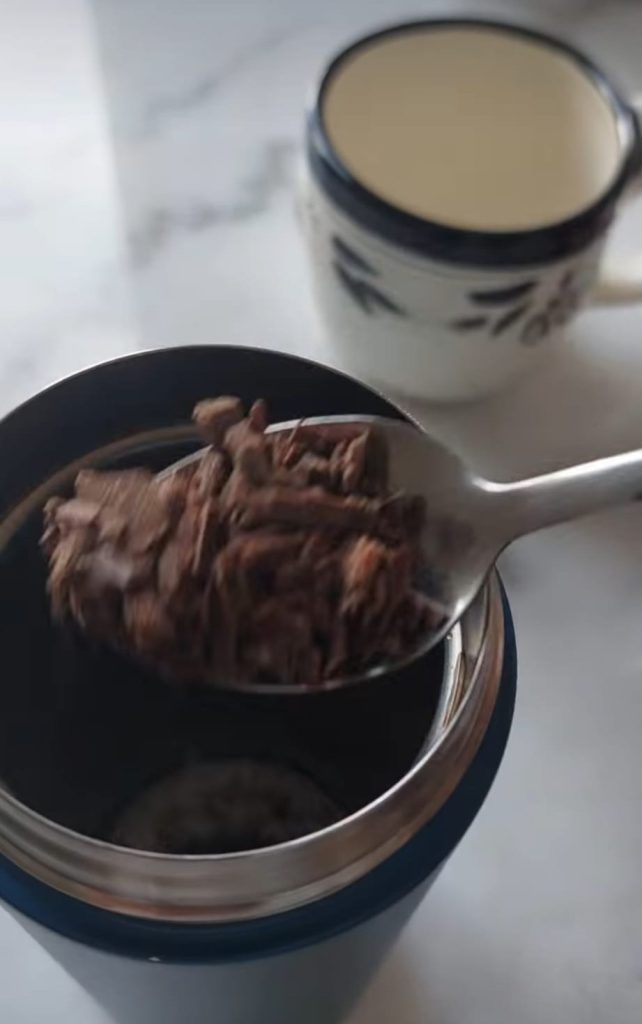
    Set the electric kettle to boil the minimum possible amount of water. It's important to use very, very hot water for this method. In the meantime, add 2-3 tablespoons of finely chopped chocolate to an empty metal waterbottle (the kind that insulates heat).

    Pour just enough boiling water to cover the chocolate, close the bottle well and shake for 30 seconds. You should end up with a thick liquid in which the chocolate is completely melted.

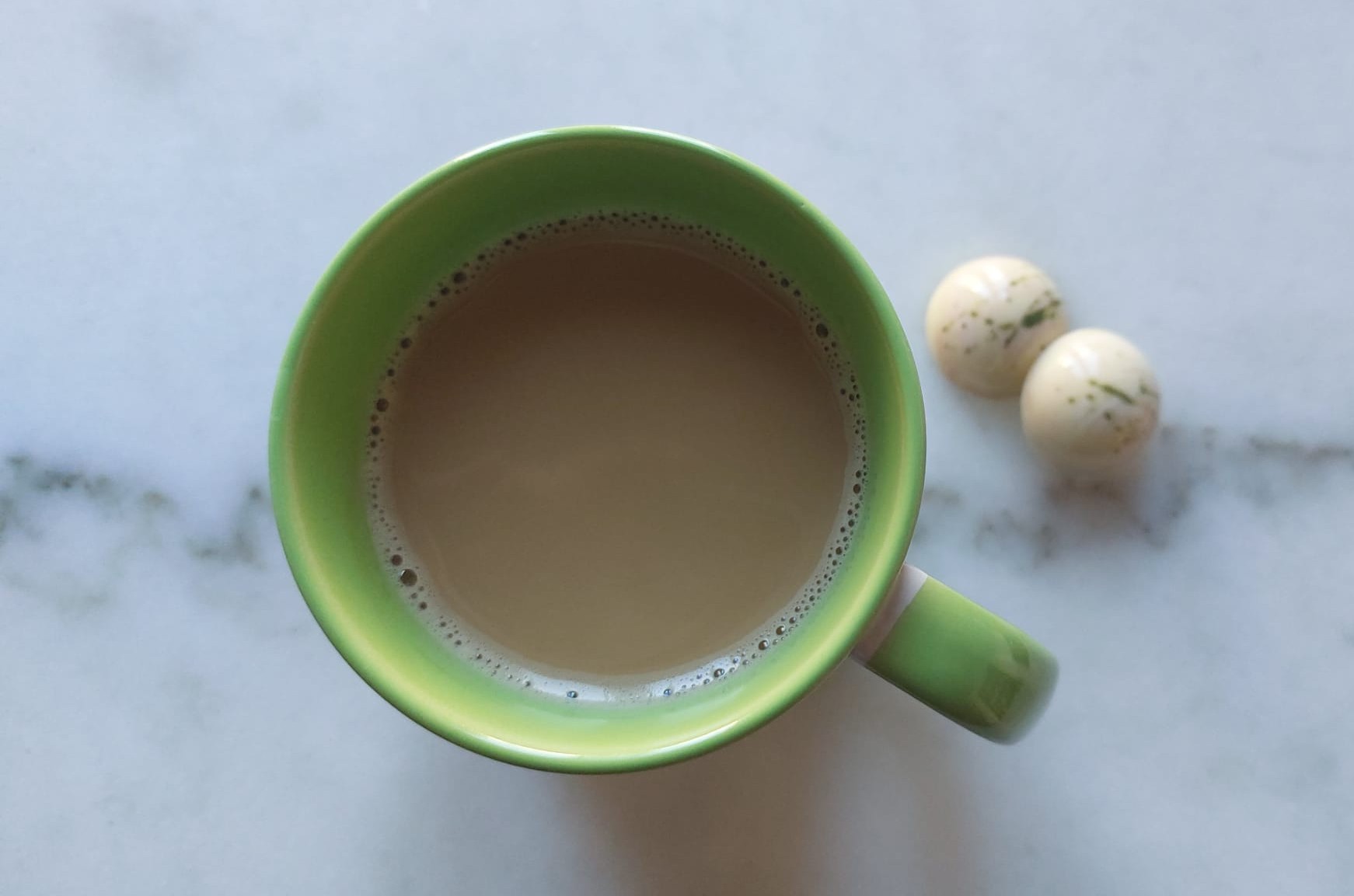
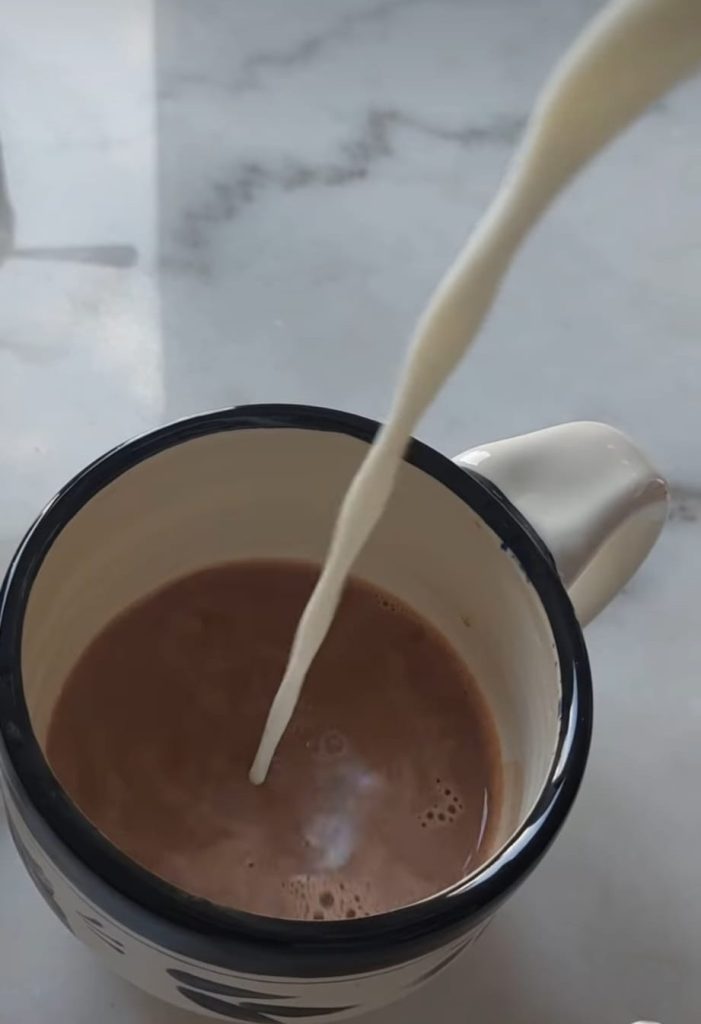
    You can pour this liquid into a mug and top it off with hot milk or plant-based milk (oat milk has a natural viscosity that works well), or drink it on its own. In summer, I like to add a few ice cubes and drink it cold.

    Method #3: In the microwave

    The problem with the microwave is that it doesn't let you stir continuously. If you put in solid chocolate for too long, it can burn. However, the microwave can be a good option if you're working with cocoa powder.

    Add two tablespoons of cocoa powder and a tablespoon of sugar (you can adjust these quantities according to your personal preference) to a mug of milk or plant-based milk. Put it in the microwave for a minute and a half, take it out and stir well. Ready!

    The real secret to a great cup of hot chocolate

    Whichever method you choose, using good-quality chocolate is essential. I recommend using a fine-flavour dark chocolate with at least 70% cacao. You can also play with adding spices or flavourings like orange zest, mint, etc. Add a pinch of salt to bring out the flavour.

  • ¿Qué hay dentro de una mazorca de cacao?

    What's in a cacao pod?

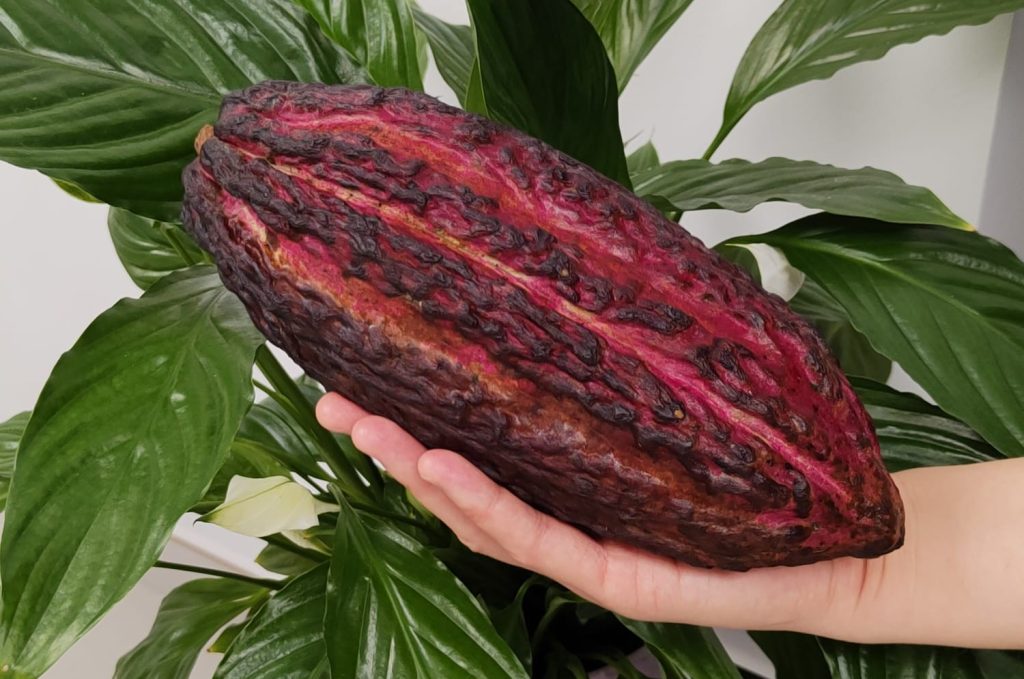
    Have you ever wondered where chocolate comes from? Not everyone knows that chocolate comes from cacao, which is a fruit that's cultivated exclusively in tropical regions. This fruit grows directly from the trunk of the cacao tree from tiny, delicate flowers of which less than 10% will go on to become cacao pods.

    The cacao pod has an elongated shape measuring 10-32 cm and can come in a variety of colours, shapes and textures. Inside, it contains 30-60 seeds, which are what we use to make chocolate.

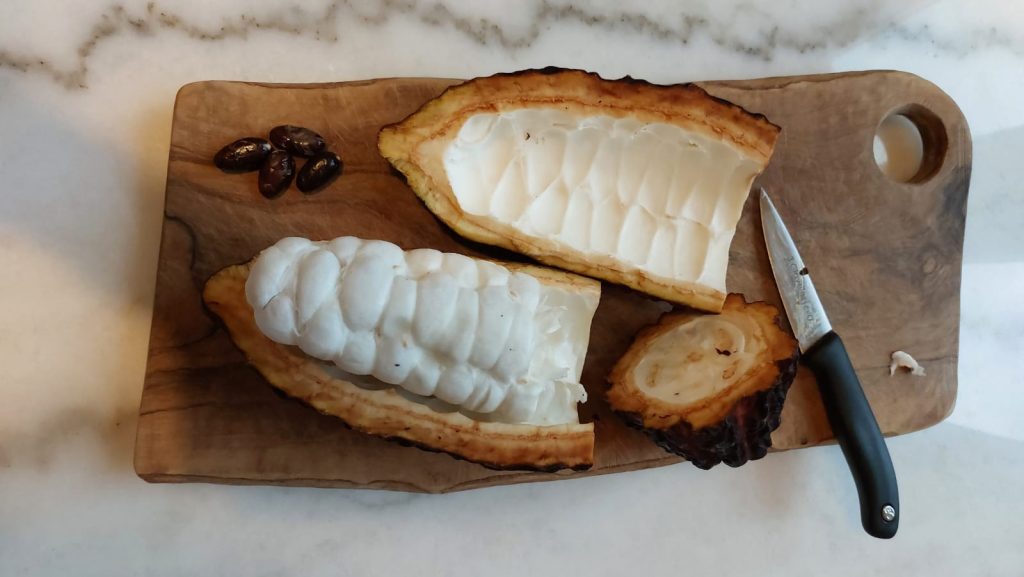
    If you've never been to a cacao plantation, it can be a little difficult to imagine what the interior of a cacao pod looks like. We managed to get our hands on a fresh cacao pod here in Barcelona and we cracked it open to see what's inside!

    haba de cacao entera
    Cacao pod

    Mucilage: source of flavour

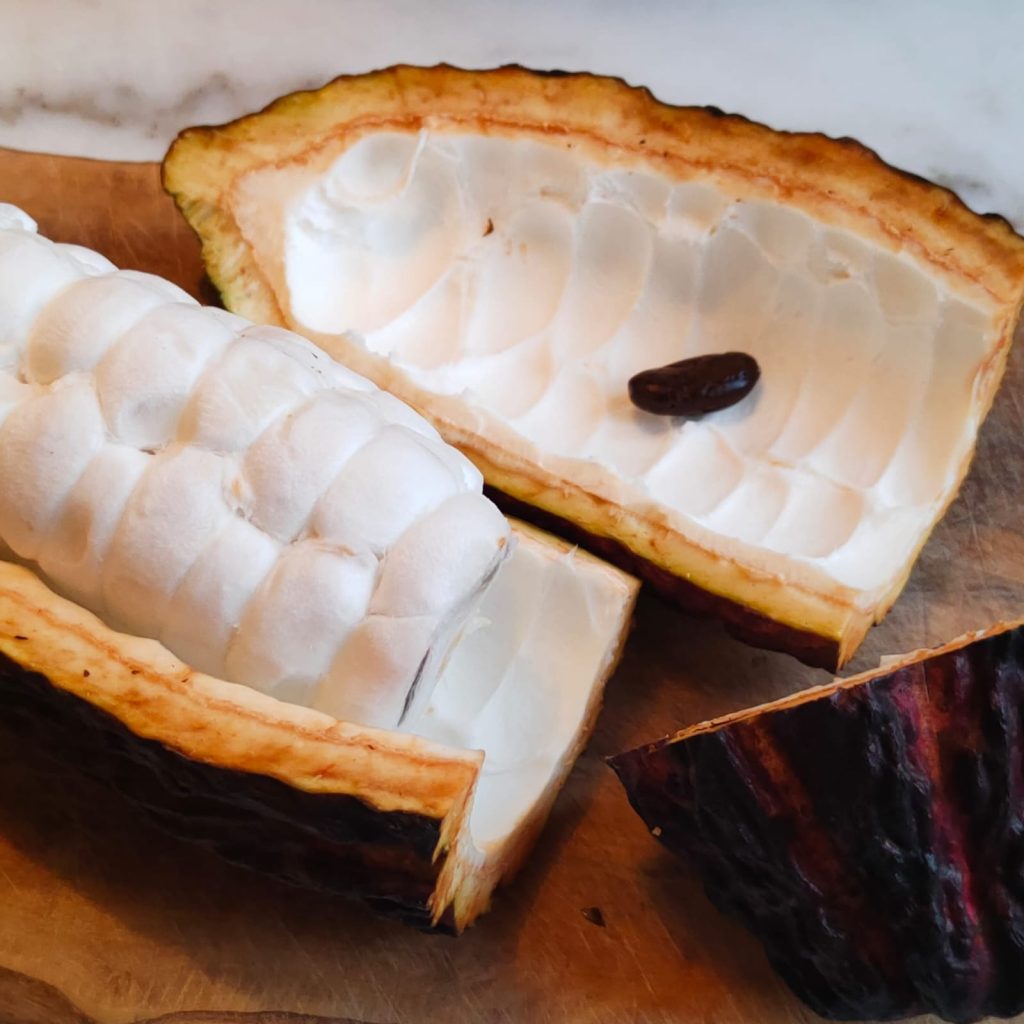
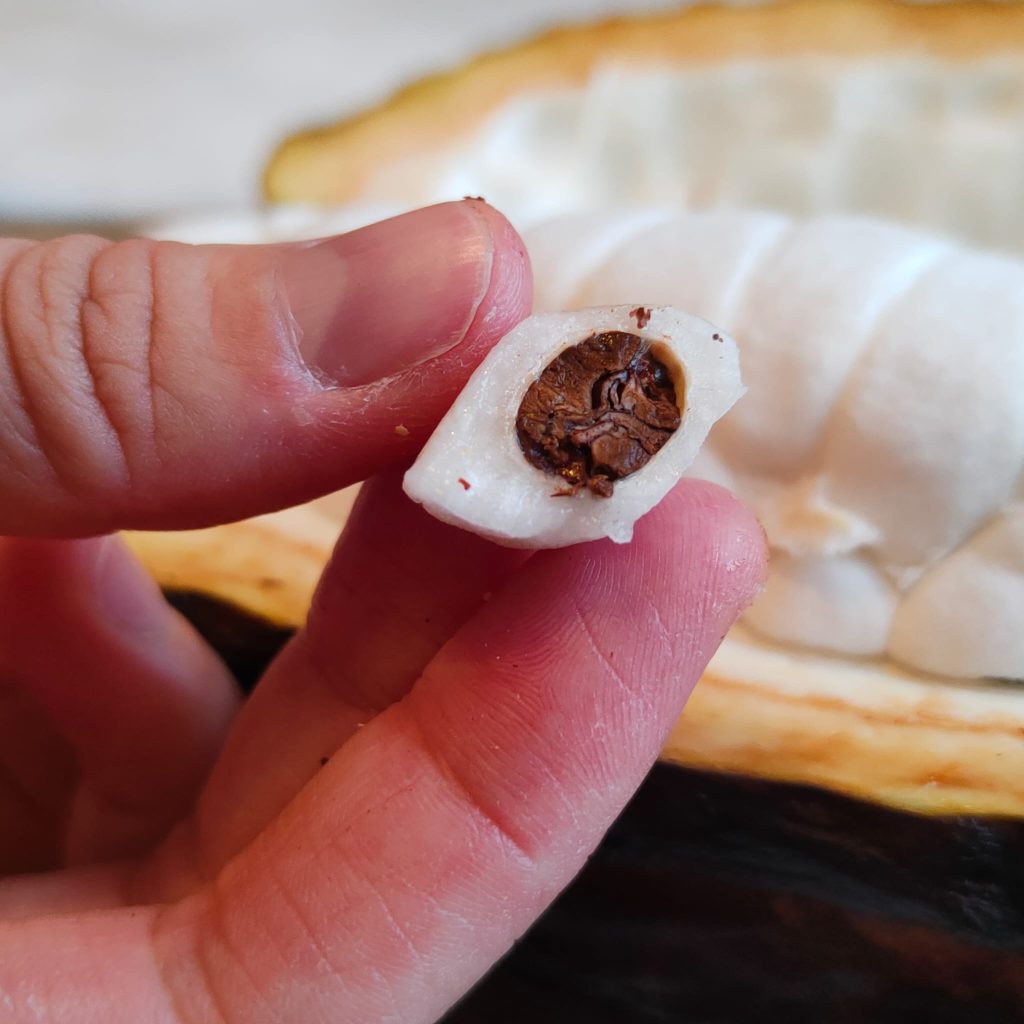
    Cutting open the cacao pod, we see a fairly thick exterior layer, with a membrane protecting the inside. Inside the membrane, the first thing we notice is a slimy white substance. This substance is called mucilage and despite its less-than-appetizing appearance, it's actually delicious. We tried it and we'd describe the flavour as acid, fruity and slightly sweet, with notes of lychee and passionfruit. The flavour can vary depending on the type of cacao and the origin.

    This mucilage is what imparts the flavour to chocolate during the fermentation process. Once the fermentation is completed, the mucilage is usually discarded, although in cacao-producing countries, sometimes people make a drink out of the fresh mucilage or eat the seeds with the mucilage directly from the pod.

    Cacao beans: from nibs to chocolate

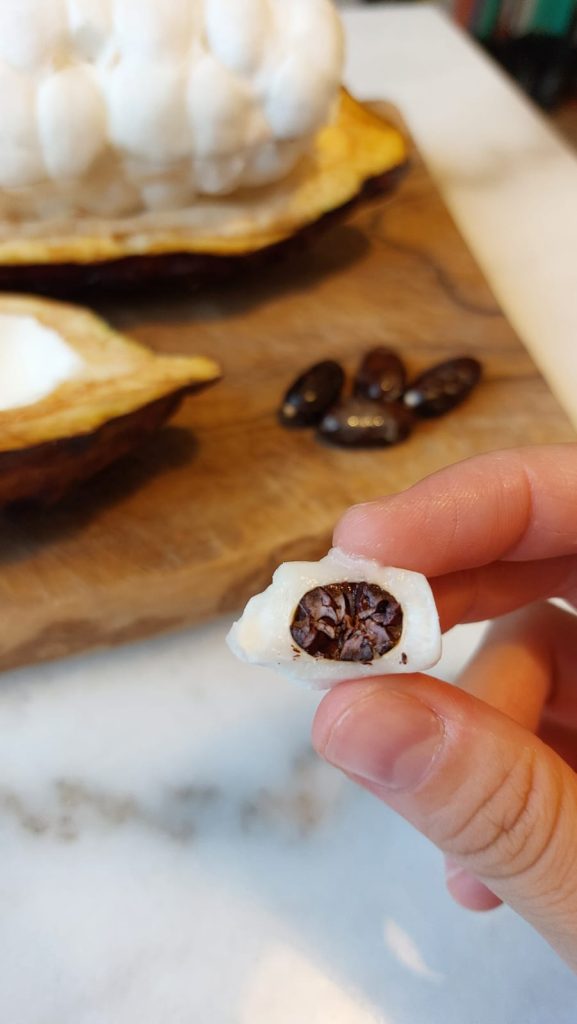
    Inside the cacao pod we find several dozen seeds, commonly called "beans," more or less comparable to an almond in size and shape. Each bean is covered in a layer of mucilage.

    After removing the mucilage we see the cacao bean, and if we break it open we'll see cacao "nibs" inside. These nibs are what we grind up to make chocolate. The colour of the nibs depends on the cacao variety. Usually they're purple, but the nibs of the criollo variety are a paler white, which is a sign of a finer-tasting cacao.

    Cacao beans contain approximately 50% cacao butter and 50% cacao solids. Cacao solids are known for being high in antioxidants and other healthy compounds, while cacao butter supplies the texture and melting point responsible for chocolate melting in your mouth. These two components are separated by pressing them during the chocolate production process.

    The exterior shell of the cacao bean is usually discarded, although it can also be used to make cacao infusions.

    haba de cacao cortada con mucilago y nibs

    Cacao is unique among fruits in that we eat the seeds and throw away the flesh. Nowadays, many people are investigating different ways of using the other components of the cacao pod to minimize waste. We're starting to see mucilage in ice cream, drinks and other chocolate creations. It can also be freeze-dried and used as a natural sugar, while the husk of the cacao pod can be pressed and made into paper for chocolate boxes.

  • ¿Por qué se comen panellets para el día de Todos los Santos?

    Why do Catalan people eat panellets for All Saints' Day?

    In the leadup to November 1st, the windows of Catalan pastry shops start to fill up with panellet in all different tastes, shapes and sizes. An estimated 250,000 kg of panellets are sold every year for All Saints' Day. Have you ever wondered where this Catalan tradition came from?

    What are panellets?

    Los panellet is a type of sweet that is traditionally eaten for All Saints' Day in Catalonia.

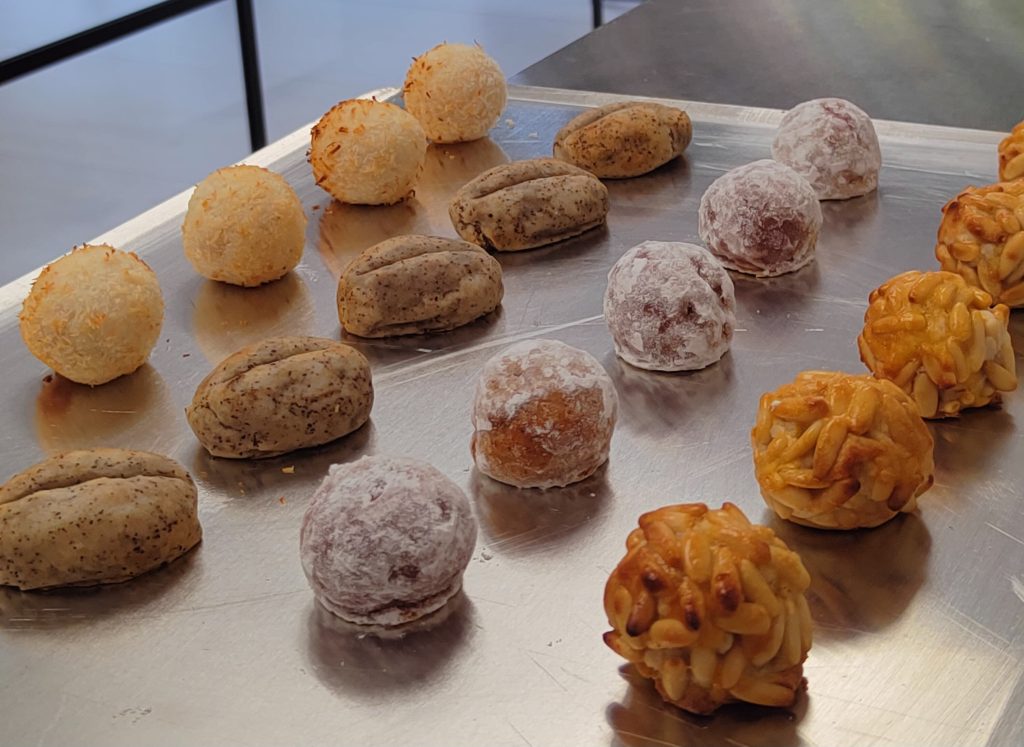
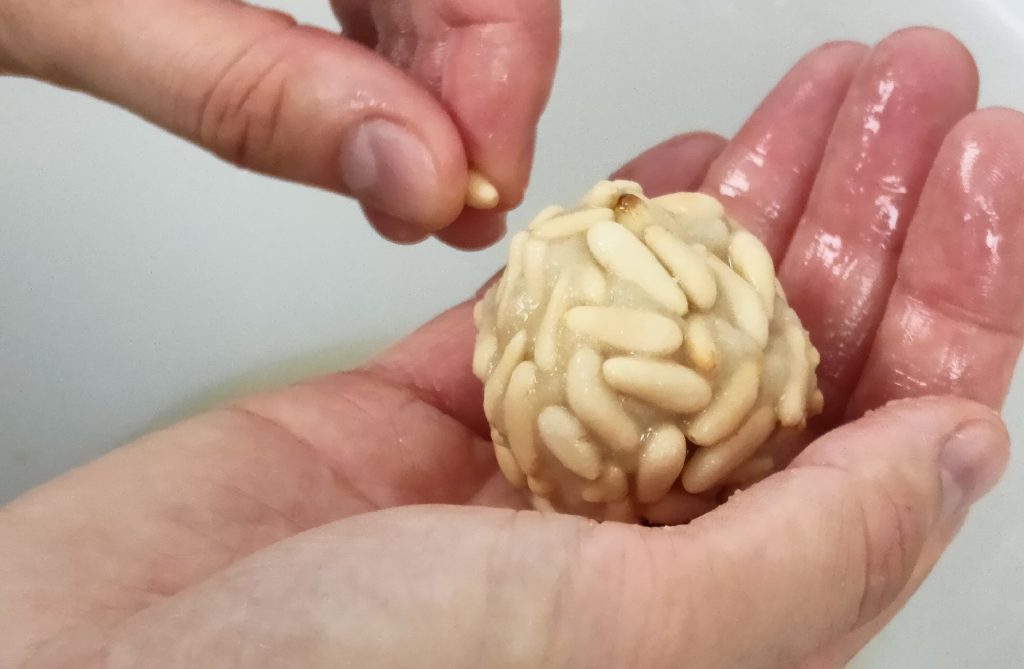
    The typical recipe is made with a marzipan base consisting of almond flour, sugar and egg. This base can be rolled in pine nuts for the most traditional round panellets, or combined with other ingredients such as chopped almonds, chestnut, coffee or coconut.

    What is All Saints' Day?

    The holiday of All Saints' Day honours ancestors who have passed away. Although it's considered a Christian tradition, All Saints' Day takes its roots from a Celtic holiday that was called Samhain.

    For the Celts, November 1st represented the first day of the dark season, when the days got noticeably shorter, the cold set in and plants and animals died or went into hibernation. For these reasons, it was considered an appropriate day to commemorate those who have passed into the next world.

    Nowadays, on November 1st Catalans celebrate a castanyada, where families come together to eat chestnuts, yams and panellets, all washed down with sweet Moscatel. This is also the day when the souls of the dead come to visit. On November 2, families go to the cemetery to make offerings of flowers and honour their ancestors.

    Where did the tradition of eating panellets during the Castanyada come from?

    Although historians aren't sure about how panellets originated, it's believed they may have started out as offerings for the dead, which people brought to the gravestones of their loved ones. Compared to other types of pastry, panellets are fairly long-lasting, and this quality recalls the concept of eternity. It's for this same reason that people also eat chestnuts and yams for All Saints' Day. In addition to having a long shelf life, these last two products are also seasonal for this time of year.

    Some records suggest that panellets were eaten in Barcelona as early as the 13th century. In the 18th century they were sold in cafés in the old town and in fairs, or they were raffled off together with chestnuts and wine. It wasn't until much later than they began to be available for purchase in pastry shops.

    How to know if you're buying good-quality artisan panellets

    For a panellet to be considered authentic and traditional, it must follow certain norms established by the Federació Catalana de PastisseríaA panellet is made primarily of marzipan, which consists of almonds, sugar and either egg or sugar syrup to hold it together. Under the terms of the EU's Traditional Specialty Guaranteed denomination, it's forbidden to add preservatives, colouring, apple, potato or yam starch - although these are common additions in home baking or in lesser bakeries and supermarkets.

    Once the marzipan base is made, people impart different flavours by adding inclusions such as pine nuts, chopped almonds, quince, chestnut, chocolate, coffee and coconut. Since a panellet has relatively few ingredients, the quality of these ingredients makes all the difference to the overall taste.

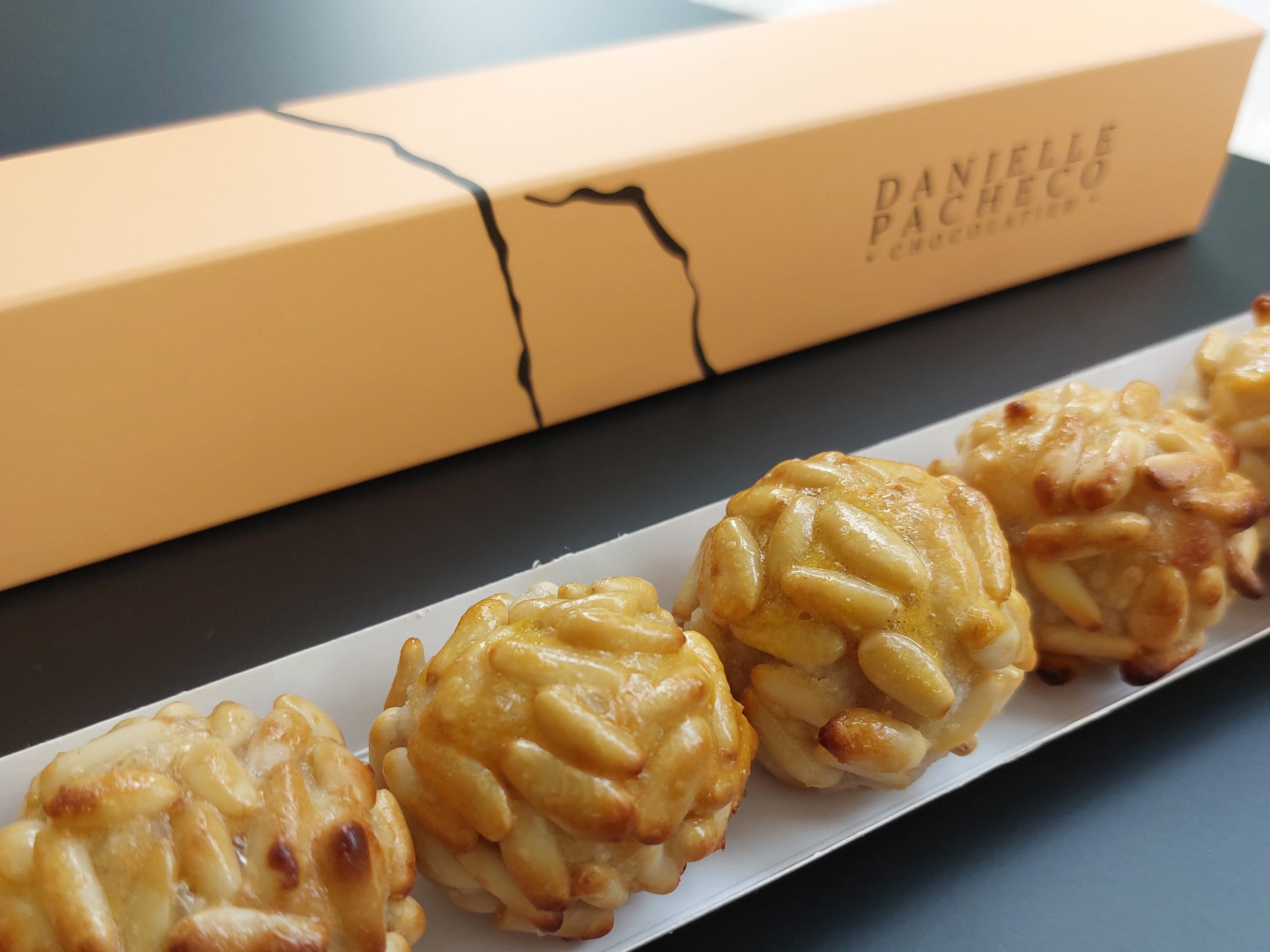
    Panellets flavoured with pine nuts are by far and above the most popular type. The best pine nut panellets are made with Marcona almonds and Iberian pine nuts. Although Chinese pine nuts are much more economical, Iberian pine nuts have an intense and unmistakeable flavour that makes them much more desirable. It's easy to recognize the difference between the two, because Iberian pine nuts are usually longer while Chinese pine nuts are shorter and more rounded.

    At Danielle Pacheco Chocolatier, we always use the best-quality ingredients. Our panellets are made with Marcona almonds and Iberian pine nuts, and we make them in small batches to ensure they are always at their freshest for your celebrations. Discover our panellet flavours >

  • ¿Qué significa chocolate belga?

    What does "Belgian chocolate" mean?

    Many customers enter my chocolate shop asking if I sell "Belgian chocolate." When I say no, they look disappointed, and some people even leave without buying anything, just on the strength of that one statement.

    Cacao doesn't grow in Belgium, so this question always takes me a little by surprise. Are they asking what format I sell my bonbons in, or are they interested in the origin of the chocolate I use? When you hear the term "Belgian chocolate," what is it that you picture?

    caja de pralines belgas
    The "ballotin" chocolate box was invented by Louise Agostini, the wife of Jean Neuhaus Jr., to better protect the chocolates.

    Short history of Belgian chocolate

    Cacao arrived in Europe in the mid-sixteenth century. Several centuries later, chocolate makers in the Netherlands, Switzerland and Great Britain had innovated new techniques for producing chocolate as we know it today. Belgium's great contribution to the chocolate world was the invention of the moulded bonbon or"praline"in 1912 by Jean Neuhaus Jr., from the famous eponymous Belgian chocolate company.

    For the first time, this innovation allowed chocolatiers to easily fill a solid chocolate shell with a softer filling, a technique that enabled the creation of bonbons with varying textures and flavours (it's interesting to note that the truffle was invented in France around the same time, using a similar concept but in the form of a sphere).

    The concept of the praline was quickly copied by other chocolatiers in Belgium and then around the world. Nowadays, Belgian chocolate still enjoys renown thanks to this contribution it made to the world of chocolate over 100 years ago.

    Legal definition of Belgian chocolate

    No strict legislation regulates the use of the term "Belgian chocolate." Of course, cacao, the raw material from which chocolate is made, does not grow in Belgium or indeed in any part of continental Europe.

    Choprabisco, which represents about 90% of Belgian chocolatiers, tried to implement a Belgian chocolate code in 2007-2008 to regulate the use of the term. Under this code, chocolate can only call itself "Belgian" if the last steps of chocolate processing are carried out in this same country. However, in practice, this protocol has no legal weight and only applies to the companies who have signed the accord.

    As for the definition of chocolate itself, Belgium is bound by the same Europe-wide rules as other European countries when it comes to defining white chocolate, milk chocolate, dark chocolate, etc.

    In the present day; the concept of Belgian chocolate has grown to encompass not just moulded chocolates but also various chocolate products such as chocolate bars and moulded creations.

    Is Belgian chocolate better-quality than other chocolate?

    With no exact definition and no set of criteria that defines it, Belgian chocolate is not considered inherently better than any other type of chocolate.

    You'll find plenty of poor-quality industrial Belgian chocolate; you can also find Belgian chocolatiers that make excellent chocolate using fine-quality traceable beans. Regardless of how meaningless the label is, it's very common to see chocolatiers from around the world proudly announcing their "Belgian chocolate" to give the impression of a superior product.

    Ok, so if a chocolate isn't Belgian, where's it from?

    There are many ways to define the origin of a chocolate, but in reality, it's rare to be able to say that a chocolate was 100% produced in one specific country. Cacao only grows well in tropical areas, and it needs to be fermented and dried really quickly after being harvested. This means that those processes are usually carried out on the or near the plantation itself.

    In the case of a huge multinational company like Barry-Callebaut or Nestlé, farmers usually sell the dried cacao beans to an intermediary, who takes them to the village and sells them to another intermediary, who sells it to an export company, and so on and so forth until it finally ends up in the hands of a European or American corporation.

    Once the cacao beans are safely dried, the next steps of toasting and grinding can be carried out anywhere in the world. In large companies, it's not uncommon for each step to be carried out in a different country. When you see labels that say "Swiss chocolate" or "French chocolate," it basically just means the last steps were carried out in those countries.

    At Danielle Pacheco Chocolatier, we try to shorten the supply chain as much as possible. With fewer intermediaries, we pay less of a markup, but above all, it helps us sleep better at night knowing that a greater proportion of our money is going to the actual cacao farmers. This system also offers better traceability, so we have a firmer grasp on where our chocolate is from. Farmers who earn a fair wage and who maintain close relationships with the chocolate processers are better equipped to care for the cacao plants and post-harvest practices, which translates to better-quality cacao with more interesting and well-developed flavour profiles.

    We primarily use chocolate from Xoco Gourmet, who runs plantations in Nicaragua, Honduras and Guatemala. The beans are processed into chocolate in the company's installations in Costa Rica under the careful guidance of chef chocolate maker Diana Cruz. We also work with chocolate by Original Beans, which sources its cacao from cooperatives in the Esmeraldas Coast, Ecuador as well as from an ethical women's cooperative in the Virunga mountains of Congo. The beans are imported to Switzerland for processing.

    Depending on the flavour we're looking for, we select one or the other of these many types of chocolates to realize our artisanal aquí en Barcelona por una inmigrante canadiense. Puedes decir que nuestro chocolate es internacional 🙂

  • El chocolate blanco, ¿es chocolate de verdad?

    Is white chocolate really chocolate?

    It's an issue that's had people up in arms for a while now: is white chocolate technically chocolate?

    It's pretty likely that at some point, a friend or family member has observed you eating a piece of white chocolate and felt the need to say snootily, "white chocolate isn't real chocolate." I know it's happened to me tons of times! (or is this an occupational risk of owning a chocolate shop?). But today we're not here to judge, nor to make anyone feel stupid. We're obsessed with the world of chocolate, and we love learning, so today we'll be tackling this interesting topic from both sides of the conversation.

    Is white chocolate really chocolate? Well, the answer depends on what you're looking for in the concept of chocolate, how you define the taste of chocolate and the specific ingredients of the chocolate bar in question. We'll analyze this theme from different angles to help you draw your own conclusions.

    chocolate blanco

    A short history of chocolate and the invention of white chocolate

    "Chocolate" is a relatively new concept. Chocolate is made with the beans of the cacao pod, which is the fruit of the cacao tree. In ancient times, the Mayas and the Aztecs drank cacao in liquid form.

    Following the arrival of cacao in Europe in the 1500's, people continued to drink cacao in liquid form. It wasn't until the early 1800's that people started to develop techniques to obtain cacao in solid form – dark chocolate. Milk chocolate was invented in the late 19th century, and white chocolate as we know it was first sold on a commercial scale by Nestlé in 1936. Less than a century divides the invention of dark chocolate, milk chocolate and white chocolate.

    This means the definition of chocolate is more or less ''made up.'' It's not as if chocolate were a naturally occurring food that we ''ruined'' by creating a white version. Chocolate in itself is the result of many centuries of innovation and machinery that have allowed us to create a new way of enjoying a plant that is thousands of years old.

    Legal definition of white chocolate

    In many places, including Europe, the definition of chocolate is strictly regulated by law. These laws exist to ensure that certain quality standards are met, and minimize the use of cheap fillers like palm oil. There are specific laws for dark chocolate, milk chocolate... and, since the end of the 20th century, white chocolate.

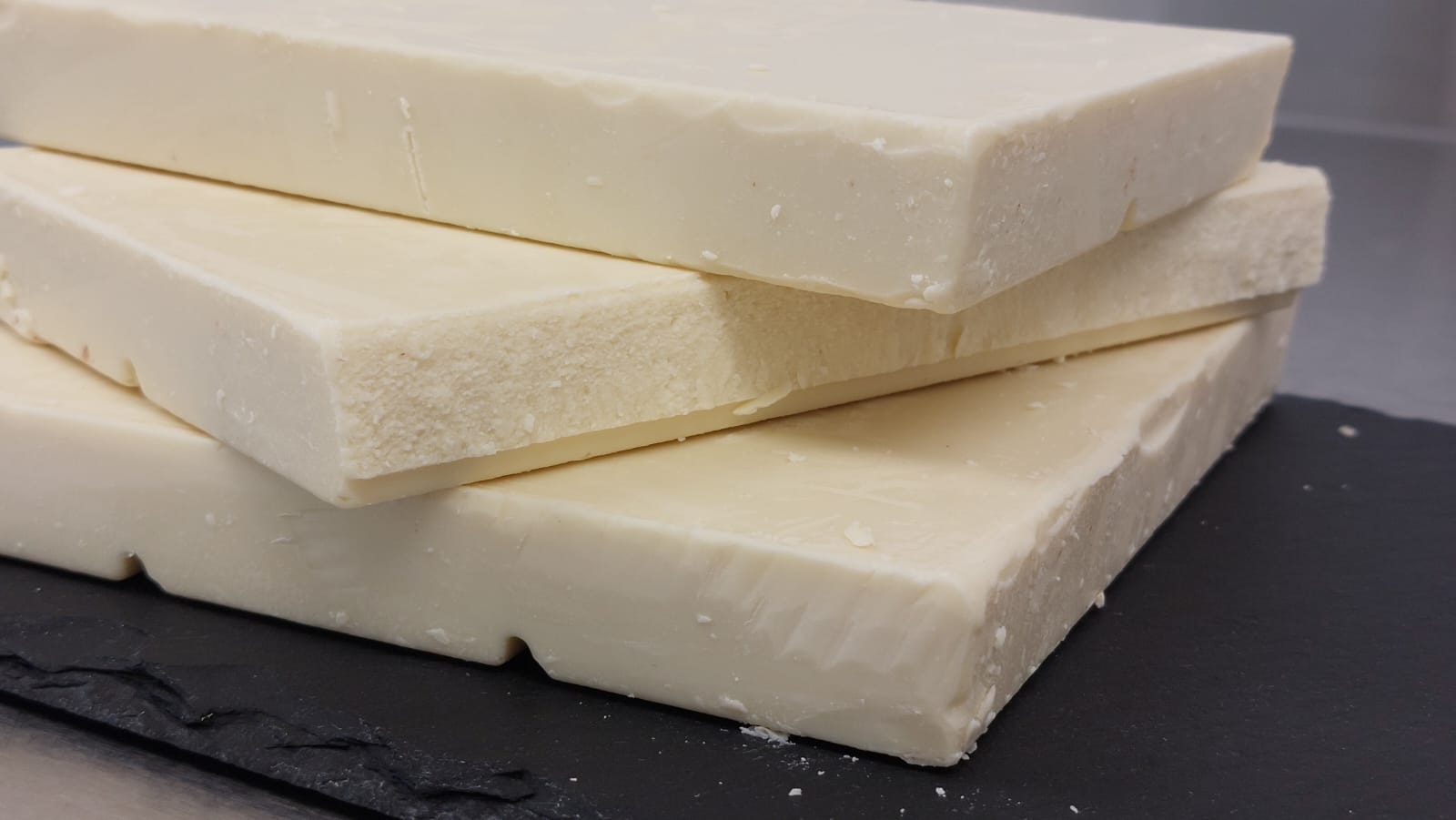
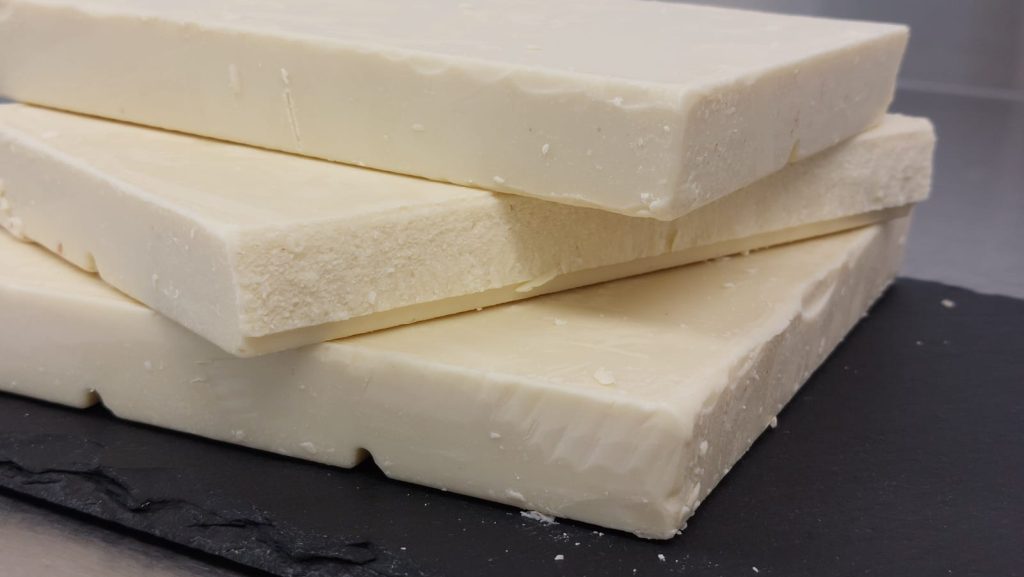
    Under European law, Spanish law and in many places around the world, white chocolate is defined as a product that contains at least 20% cacao butter and 14% powdered dairy, which can be in the form of milk powder, powdered butter or cream powder. In Europe, the dairy component must contain a minimum of 3.5% milk fat.

    Just as with dark chocolate or milk chocolate, it's important to note that in order to be considered white chocolate, the product cannot contain more than 5% other fats that are not cacao butter. In addition, any non-cacao-butter fats must be clearly labelled. If you see a chocolate bar in the supermarket that carries 40% palm oil, this is not white chocolate (and if you look closely you might notice it uses alternate names like "cocoa fantasy" instead of "chocolate" to comply with regulations while tricking you into thinking it's chocolate.

    The texture of chocolate

    A cacao bean contains approximately 50% cacao solids and 50% cacao butter, meaning cacao butter often makes up more than half of the composition of the cacao bean. It's thanks to cacao butter's unique crystalline properties that chocolate is able to be solid and shiny at room temperature, yet melts in the mouth. This detail is fundamental to chocolate's success. Whether it's white or dark, "real" chocolate made with cacao butter will display this characteristic texture.

    The taste of white chocolate

    If I tell you something tastes like chocolate, you know immediately what I mean. We find this taste in drinks, chocolate bars, bonbons... it might vary depending on the cacao origin or the quality, but all "chocolate-flavoured" things have a certain flavour in common, and that's thanks to the taste of the cacao solids.

    When we consider white chocolate, we have to admit it doesn't have the flavour we associate with chocolate. In fact, the vast majority of white chocolate on the market tastes like sugar and vanilla. This is because it's made with deodorized cacao butter. The cacao butter is pressed from the cacao beans, and then subjected to a process to remove the flavour and leave a neutral flavour.

    That's a shame, because natural cacao butter actually has its own taste. If, instead of eliminating it, we decide to keep it, we see that white chocolate from different origins boasts different flavour notes, just like dark chocolate. The flavour depends on different factors such as the variety of cacao, the terroir where it grows, the proximity of other plants like mango trees, and other factors.

    A good white chocolate is a unique and wonderful thing (if you've never tried a good one, we invite you to visit our store and we'll give you a sample of white chocolate grown and processed by Xoco Gourmet with single-variety cacao cultivated from a mother tree found deep in the jungle of Honduras near some Mayan ruins. It has an incredible nutty, caramelly taste).

    Health benefits: white chocolate vs. dark chocolate

    If we ignore its relatively high sugar content, dark chocolate has an intriguing nutritional profile thanks to its high content of flavonoids and other healthy components known to improve heart health and help prevent chronic disease.

    By contrast, white chocolate has minimal levels of these compounds, since they are usually more present in the cacao solids rather than the cacao butter. Verdict: if you're looking for a "superfood," dark chocolate is a better option.

    What to look for in a good white chocolate

    If you like white chocolate, we have great news: there are hundreds of delicious chocolate bars waiting to be tried! We'll share a few points to look out for when selecting a white chocolate bar:

    • Short ingredient list: A good white chocolate bar will never contain palm fat or other fats used with the intention of replacing cacao butter. Ideally, white chocolate should only contain cacao butter, powdered milk and sugar, in that order. The exception are chocolate bars with inclusions, like for example a white chocolate bar with chunks of caramel.
    • Vanilla: On rare occasions vanilla is added purposely to add an interesting contrasting flavour note, but most of the time, vanilla is added to white chocolate to make up for the lack of flavour of a low-quality chocolate bar. If a chocolate bar does contain vanilla, check to make sure it's natural vanilla and not ''vanilla aroma'' or vanillin.
    • Origin: Look for chocolate bars that offer information about the origin of the cacao. Cacao butter flavour varies from country to country and region to region, and the fun part of eating chocolate consists in trying chocolate from dfiferent origins to discover different flavour notes. Chocolatiers and chocolate makers who use high-quality cacao tend to establish closer relationships with the cacao farmers or producers, so they're often able to be more transparent about the cooperative or plantation where the cacao is grown.
    • Transparency: In addition to the cacao butter origin, it's a good sign if a white chocolate bar offers more information about the post-harvest treatment and production process. How many days did the cacao beans ferment for? What temperature were they roasted at, and how long were they ground? Where is the milk from? What kind of sugar was used?
  • Ganache vs. praliné

    Ganache vs. praliné

    Ganache and praliné are two of the most common bonbon fillings. If you're interested in the science of chocolate, keep reading! We'll dive into what defines each of these fillings, and how they're different.

    trufas de ganache de chocolate con Grand Marnier

    What is ganache?

    Ganache is an emulsion; in other words, a mix of liquids and fats. In this case the primary fat component is chocolate, which contains cocoa butter. The liquid component in a ganache is traditionally cream, although it can also be plant-based milks, water, alcohol or fruit purée, like in our passionfruit bonbon.

    If you've ever tried to mix vinegar and olive oil to make a vinaigrette, you'll know that water and oil don't mix. If we want these two components to stick together, we have to make an emulsion: blend them really ferociously with the hand blender, and possibly add some kind of protein to help them bind. That's why people often add egg (an emulsifier) to mayonnaise.

    Still, no matter how hard you blend, all emulsions are inherently unstable. Water and oil don't like to be together. And that's exactly the quality we're looking for in a chocolate bonbon. As soon as you bite into it, it starts to melt in your mouth, which allows the flavour notes to shine.

    What makes an artisanal chocolate bonbon different from a long-life industrial bonbon?

    The issue with ganache is that it contains liquid, and liquid is the cradle of life - in this case, microorganisms like mould or bacteria. As artisanal chocolatiers, we create recipes that respect a set balance of fats, liquids, sugars and solids in order to guarantee a shelf life of one to two months under proper storage conditions. However, it's impossible to guarantee a longer shelf life without adding preservatives to a ganache. That's why most bonbons sold in the supermarket contain alternative fats, such as palm oil, instead of liquids. This allows them to obtain a "silky" texture that still marks a clear difference from the chocolate coating, although it will never be quite as creamy as a fresh ganache.

    bombon de chocolate con gianduja de avellanas
    Nuestro bombón de gianduja de avellanas D.O. Reus con neula crujiente

    What's praliné? And how about gianduja?

    Praliné is a sweet paste made by grinding nuts together with sugar. Gianduja is what you get when you combine nut paste with chocolate. Strictly speaking, gianduja is made with hazelnuts and chocolate, although today the term is used loosely to refer to pastes made with other nuts, such as a ''pistachio duja.''

    Mixing the cocoa butter with the oil present in the nuts - which is liquid at room temperature - creates a paste that is slightly softer than chocolate on its own. It can be made even softer by adding vegetable oils, which is how we would get Nutella.

    Since neither praliné nor gianduja contain liquid, they don't offer the extremely creamy texture of a ganache. But these fillings have other advantages. Since they don't contain liquid, we can add crispy components and they won't lose their crunch over time, as in the case of our hazelnut bonbon with crispy wafer. Gianduja and praliné also have a much longer shelf life, since they don't contain any water where microorganisms can grow.