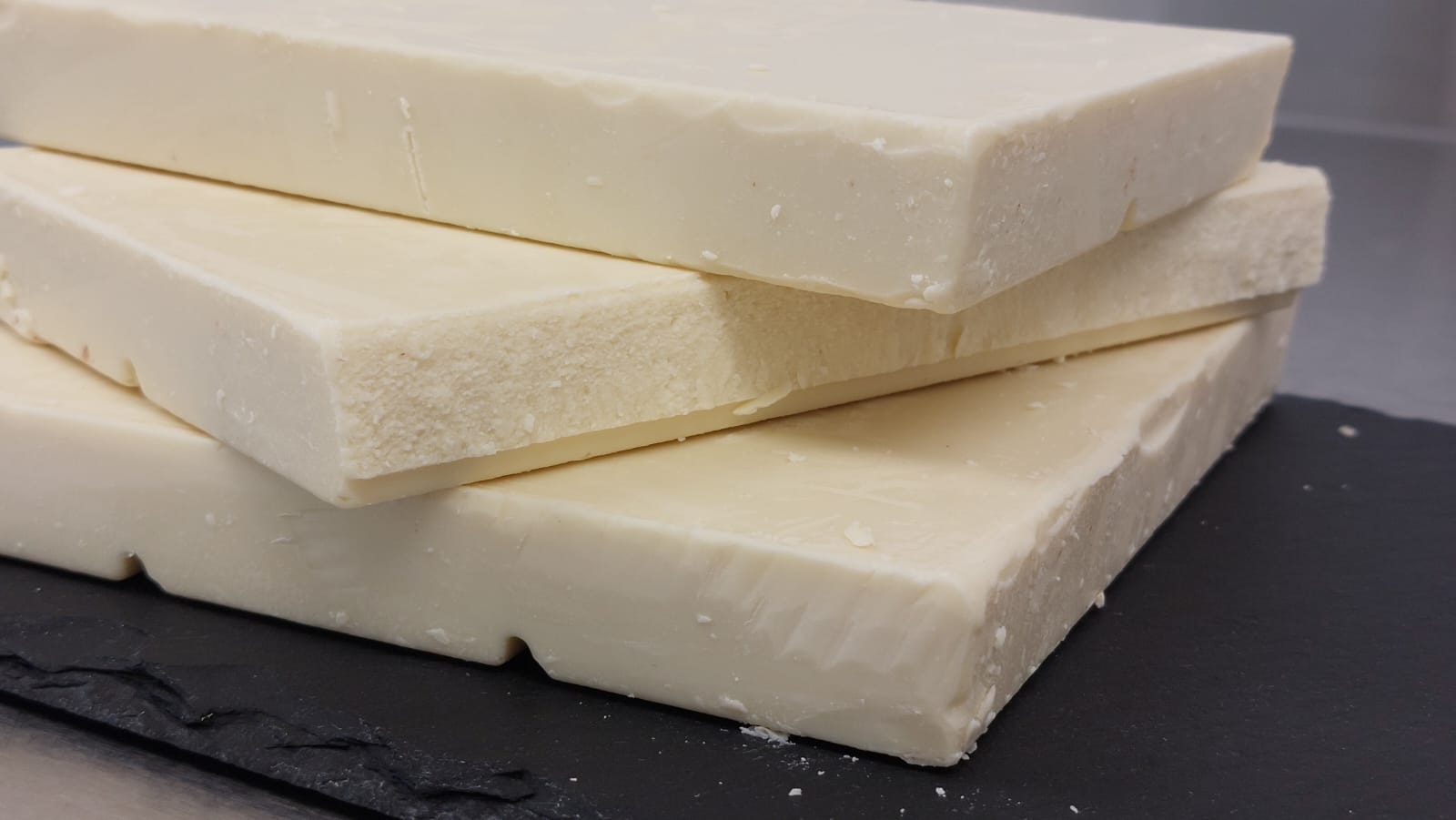
It's an issue that's had people up in arms for a while now: is white chocolate technically chocolate?
It's pretty likely that at some point, a friend or family member has observed you eating a piece of white chocolate and felt the need to say snootily, "white chocolate isn't real chocolate." I know it's happened to me tons of times! (or is this an occupational risk of owning a chocolate shop?). But today we're not here to judge, nor to make anyone feel stupid. We're obsessed with the world of chocolate, and we love learning, so today we'll be tackling this interesting topic from both sides of the conversation.
Is white chocolate really chocolate? Well, the answer depends on what you're looking for in the concept of chocolate, how you define the taste of chocolate and the specific ingredients of the chocolate bar in question. We'll analyze this theme from different angles to help you draw your own conclusions.
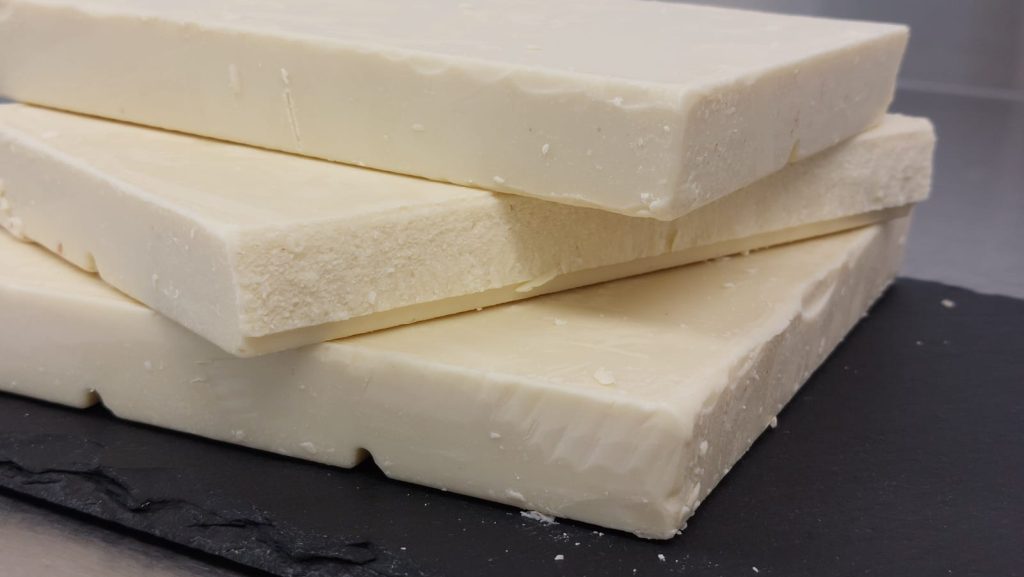
A short history of chocolate and the invention of white chocolate
"Chocolate" is a relatively new concept. Chocolate is made with the beans of the cacao pod, which is the fruit of the cacao tree. In ancient times, the Mayas and the Aztecs drank cacao in liquid form.
Following the arrival of cacao in Europe in the 1500's, people continued to drink cacao in liquid form. It wasn't until the early 1800's that people started to develop techniques to obtain cacao in solid form – dark chocolate. Milk chocolate was invented in the late 19th century, and white chocolate as we know it was first sold on a commercial scale by Nestlé in 1936. Less than a century divides the invention of dark chocolate, milk chocolate and white chocolate.
This means the definition of chocolate is more or less ''made up.'' It's not as if chocolate were a naturally occurring food that we ''ruined'' by creating a white version. Chocolate in itself is the result of many centuries of innovation and machinery that have allowed us to create a new way of enjoying a plant that is thousands of years old.
Legal definition of white chocolate
In many places, including Europe, the definition of chocolate is strictly regulated by law. These laws exist to ensure that certain quality standards are met, and minimize the use of cheap fillers like palm oil. There are specific laws for dark chocolate, milk chocolate... and, since the end of the 20th century, white chocolate.
Under European law, Spanish law and in many places around the world, white chocolate is defined as a product that contains at least 20% cacao butter and 14% powdered dairy, which can be in the form of milk powder, powdered butter or cream powder. In Europe, the dairy component must contain a minimum of 3.5% milk fat.
Just as with dark chocolate or milk chocolate, it's important to note that in order to be considered white chocolate, the product cannot contain more than 5% other fats that are not cacao butter. In addition, any non-cacao-butter fats must be clearly labelled. If you see a chocolate bar in the supermarket that carries 40% palm oil, this is not white chocolate (and if you look closely you might notice it uses alternate names like "cocoa fantasy" instead of "chocolate" to comply with regulations while tricking you into thinking it's chocolate.
The texture of chocolate
A cacao bean contains approximately 50% cacao solids and 50% cacao butter, meaning cacao butter often makes up more than half of the composition of the cacao bean. It's thanks to cacao butter's unique crystalline properties that chocolate is able to be solid and shiny at room temperature, yet melts in the mouth. This detail is fundamental to chocolate's success. Whether it's white or dark, "real" chocolate made with cacao butter will display this characteristic texture.
The taste of white chocolate
If I tell you something tastes like chocolate, you know immediately what I mean. We find this taste in drinks, chocolate bars, bonbons... it might vary depending on the cacao origin or the quality, but all "chocolate-flavoured" things have a certain flavour in common, and that's thanks to the taste of the cacao solids.
When we consider white chocolate, we have to admit it doesn't have the flavour we associate with chocolate. In fact, the vast majority of white chocolate on the market tastes like sugar and vanilla. This is because it's made with deodorized cacao butter. The cacao butter is pressed from the cacao beans, and then subjected to a process to remove the flavour and leave a neutral flavour.
That's a shame, because natural cacao butter actually has its own taste. If, instead of eliminating it, we decide to keep it, we see that white chocolate from different origins boasts different flavour notes, just like dark chocolate. The flavour depends on different factors such as the variety of cacao, the terroir where it grows, the proximity of other plants like mango trees, and other factors.
A good white chocolate is a unique and wonderful thing (if you've never tried a good one, we invite you to visit our store and we'll give you a sample of white chocolate grown and processed by Xoco Gourmet with single-variety cacao cultivated from a mother tree found deep in the jungle of Honduras near some Mayan ruins. It has an incredible nutty, caramelly taste).
Health benefits: white chocolate vs. dark chocolate
If we ignore its relatively high sugar content, dark chocolate has an intriguing nutritional profile thanks to its high content of flavonoids and other healthy components known to improve heart health and help prevent chronic disease.
By contrast, white chocolate has minimal levels of these compounds, since they are usually more present in the cacao solids rather than the cacao butter. Verdict: if you're looking for a "superfood," dark chocolate is a better option.
What to look for in a good white chocolate
If you like white chocolate, we have great news: there are hundreds of delicious chocolate bars waiting to be tried! We'll share a few points to look out for when selecting a white chocolate bar:
- Short ingredient list: A good white chocolate bar will never contain palm fat or other fats used with the intention of replacing cacao butter. Ideally, white chocolate should only contain cacao butter, powdered milk and sugar, in that order. The exception are chocolate bars with inclusions, like for example a white chocolate bar with chunks of caramel.
- Vanilla: On rare occasions vanilla is added purposely to add an interesting contrasting flavour note, but most of the time, vanilla is added to white chocolate to make up for the lack of flavour of a low-quality chocolate bar. If a chocolate bar does contain vanilla, check to make sure it's natural vanilla and not ''vanilla aroma'' or vanillin.
- Origin: Look for chocolate bars that offer information about the origin of the cacao. Cacao butter flavour varies from country to country and region to region, and the fun part of eating chocolate consists in trying chocolate from dfiferent origins to discover different flavour notes. Chocolatiers and chocolate makers who use high-quality cacao tend to establish closer relationships with the cacao farmers or producers, so they're often able to be more transparent about the cooperative or plantation where the cacao is grown.
- Transparency: In addition to the cacao butter origin, it's a good sign if a white chocolate bar offers more information about the post-harvest treatment and production process. How many days did the cacao beans ferment for? What temperature were they roasted at, and how long were they ground? Where is the milk from? What kind of sugar was used?