Category: The science of chocolate

  • ¿Qué son las manchas blancas en el chocolate?

    ¿Qué son las manchas blancas en el chocolate?

    Cuando compramos una tableta de chocolate, nos esperamos a que sea liso y brillante. Pero seguro que has llegado a abrir una tableta y fijarte que tiene manchas blancas. ¿Qué son? Y, lo que de verdad nos importa, ¿estas manchas blancas afectan al chocolate en sí?

    Aunque puedan afectar algo a la textura, queremos recalcar que estas manchas blancas casi nunca significan que deberías tirar tu chocolate. Normalmente, se deben a cambios de temperatura o de humedad, o a un mal atemperado por la persona que ha preparado la tableta.

    Blanqueamiento por grasa

    La estructura del chocolate se debe principalmente a la manteca de cacao, una grasa que puede adoptar diferentes formas de cristales según la temperatura, el movimiento y el tiempo. Los cristales dictan la estructura y por ende la textura del chocolate, pero fundiéndolo por encima de 32 grados, estos cristales se empiezan a deshacer. Si dejamos enfriarse el chocolate sin ensenarle qué tipo de cristales queremos, puede formar cristales inestables. Estos cristales van evolucionando con el tiempo y hacen que el chocolate se vuelva progresivamente más blanco.

    Es muy común encontrar chocolate con blanqueamiento por grasa en tiendas sin aire acondicionado en verano. El chocolate ha estado expuesto a temperaturas altas, y como ya está envuelto dentro de su paquete, nadie ha podido trabajarlo para reorganizar los cristales. Este chocolate está totalmente seguro para comer, pero es posible que al romperlo, notemos que esté algo más blando o desmoronadizo y que no haga el chasquido que solemos asociar con el chocolate.

    Puedes confirmar que el blanqueamiento es debido a la grasa con un simple toque. La calor de la mano fundirá la grasa y la mancha desaparecerá.

    Blanqueamiento por azúcar

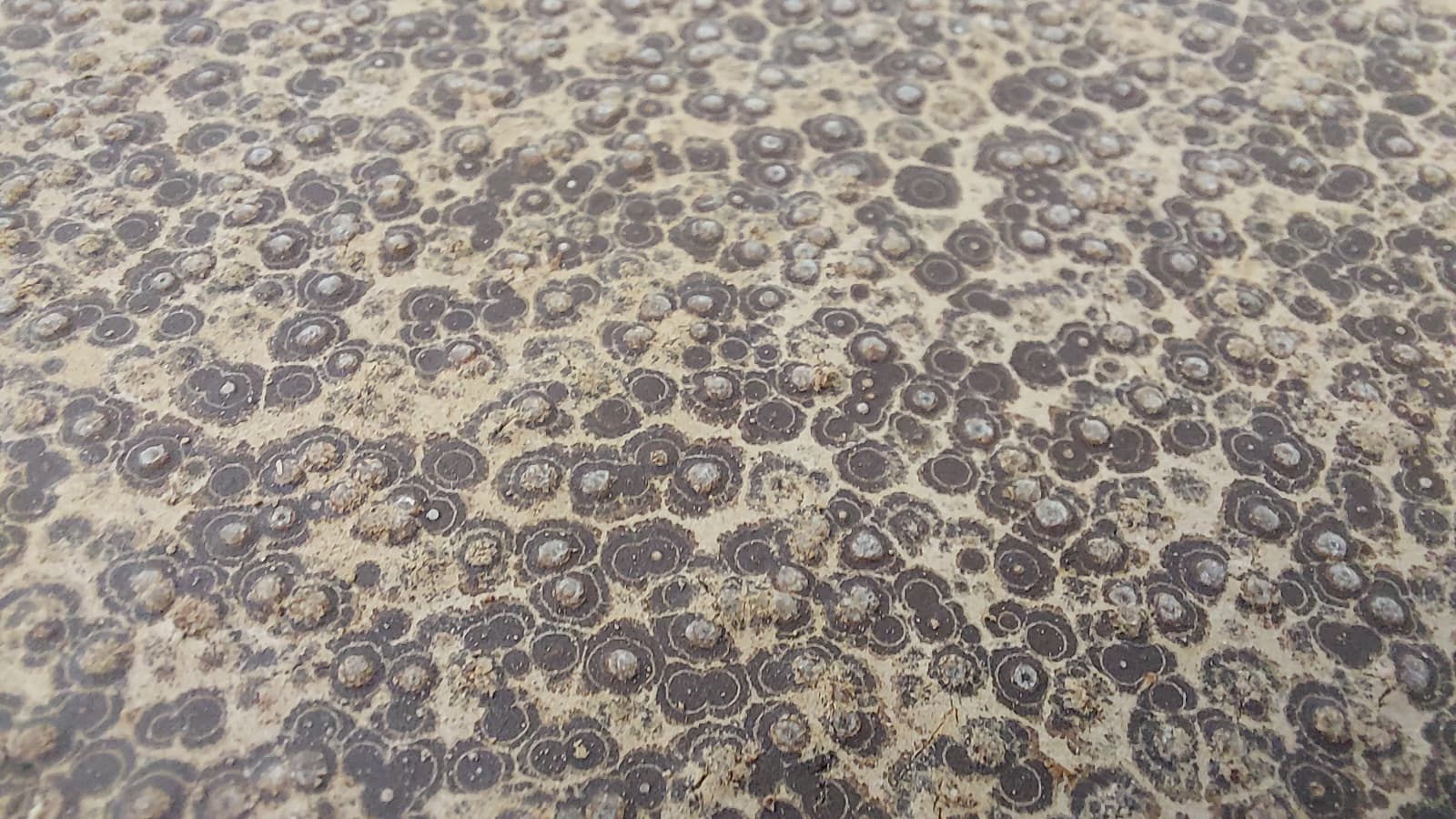
    Además de la manteca de cacao, dentro del chocolate también encontramos azúcar, que esta distribuido más o menos uniformemente por todo el conjunto. Pero el azúcar tiene una particularidad: está muy atraído a la humedad. Si exponemos el chocolate a un ambiente muy húmedo, el azúcar de la superficie absorberá la humedad y cambiará su distribución. Allí veremos manchas blancas, a menudo con forma de puntitos agrupados.

    Es por este motivo que aconsejamos evitar guardar el chocolate en la nevera. El blanqueamiento por azúcar no es dañino, pero afecta a la apariencia del chocolate y hace que sea un poco pegajoso al llevar el azúcar en su exterior. Si tienes que guardar el chocolate en la nevera, intenta ponerlo dentro de un contenedor hermético. Cuando vayas a sacarlo, saca el túper entero y déjalo 10-20 minutos en la encimera hasta que su temperatura esté en equilibrio con el ambiente y ya no veas condensación por fuera del bote. Solo entonces puedes abrirlo con la seguridad de que el chocolate no atrapará toda la humedad del frío.

    Abrasión mecánica

    Las tabletas de chocolate suelen estar bien envueltas para protegerlas, pero si alguna vez has comprado chocolate en bolsa para cocinar, habrás visto que tiene muchas manchas blancas. Estas manchas son simplemente por abrasión, porque las gotas de chocolate se han ido chocando dentro de la bolsa. El chocolate es muy sensible y al tocarlo, se daña fácilmente. No se puede hacer mucho para protegerlo, solo envolverlo bien. Pero, como en los otros casos, el blanqueamiento por abrasión mecánica no es peligroso ni afecta a la calidad del chocolate.

    ¿Cómo puedo arreglar el blanqueamiento del chocolate?

    Como ya hemos comentado, el blanqueamiento del chocolate no afecta a su seguridad alimentaria ni a su sabor. Sin embargo, si prefieres disfrutar de un chocolate bien brillante y con el característico crujido y textura dura, hay que volver a atemperarlo.

    El atemperado, otramente dicho precristalización, consiste en fundir el chocolate y volver a llevarlo a estado solido mediante una serie de pautas calculadas para asegurar una correcta formación de los cristales. Normalmente se funde a 45 grados y se enfría rápido hacía una temperatura por debajo de 32 grados, agitándolo para «sembrarlo» con los cristales correctos. Con 1% de cristales correctos, los demás cristales aprenden qué forma tienen que coger. Caen en línea como soldados y el chocolate se va endureciendo tal y como lo queremos.

    Dominar la precristalización del chocolate requiere un poco de practica, así que lo explicaremos en otro post con más detalle.

    Moho

    Raramente, el chocolate puede desarrollar moho. Esto ocurre solo si el chocolate ha sido expuesto a la humedad, ya que el chocolate en sí no contiene agua y por lo tanto no es capaz de fomentar La Vida en sí solo.

    Lo más común es que un chocolate con moho haya cogido humedad por haber estado en la nevera. También podemos encontrar moho en un bombón de chocolate con ingredientes líquidos, como nata o puré de frutas. Es por esto que insistimos en respetar la fecha de caducidad señalada en los bombones de chocolate. Nuestros bombones están formulados con recetas equilibradas para garantizar una cierta vida útil si se siguen las instrucciones de almacenamiento, pero no dejan de ser un producto fresco, a diferencia del chocolate solido que no caduca.
  • El chocolate durante el embarazo: ¿bueno o malo?

    El chocolate durante el embarazo: ¿bueno o malo?

    Este artículo no se debe considerar consejo médico. Para cualquier pregunta relacionada a tu salud o tu embarazo, consulta tu doctor/a

    Si estás embarazada y no estás teniendo suerte con el movimiento del feto durante los ultrasonidos, es posible que tu equipo médico te haya dicho que comas un trocito de chocolate. Es un consejo muy común. Pero, ¿es verdad que el chocolate ayuda a provocar movimiento en los fetos?

    el chocolate, ¿ayuda a que el feto se mueva?

    Cada feto es diferente. Normalmente, se empiezan a notar los movimientos del feto entre las semanas 14 y 22 del embarazo, y se empieza a tomar nota diaria de los movimientos fetales a partir de las 28 semanas. Muchos fetos se emocionan en reacción a los cambios de azúcar en la sangre, con lo cual cualquier merienda podría servir para hacerlos moverse. Eso sí, el dark chocolate es una excelente opción.

    Aunque contiene azúcar, el chocolate negro también contiene antioxidantes y otros compuestos beneficiosos para la salud. Si quieres hacer mover al feto, recomendamos buscar un chocolate negro con un contenido de cacao de al menos 70% y que sea libre de grasas vegetales y otros aditivos.

    ¿Hay beneficios en comer chocolate durante el embarazo?

    Algunos estudios apuntan a que comer chocolate negro durante el embarazo podría disminuir el riesgo de diabetes gestacional y de preeclampsia, una condición seria caracterizada por una presión arterial alta con efectos dañinos para el hígado y los riñones. Se necesitarían hacer mas estudios para poder entender mejor por qué el chocolate ayuda a prevenir la preeclampsia, aunque parece ser debido a los efectos de los flavonoides.

    Un estudio de 2004 también encontró que los bebés de las madres que comieron chocolate durante el embarazo eran más felices. Otro estudio de 2014 encontró que los fetos femeninos reaccionaban mas que los masculinos cuando las madres comían chocolate.

    ¿Es peligroso comer chocolate durante el embarazo?

    Faltan mas estudios para confirmar si el chocolate aporta mas beneficios que riesgos durante el embarazo.

    El chocolate puro no suele ser peligroso para el feto o la salud durante el embarazo y la lactancia. Es cierto que algunas marcas contienen altos niveles de metales pesados como cadmio y de plomo que el mismo cacao absorbe de la tierra donde crece, pero en Europa el chocolate tiene que cumplir con unos limites bastante estrictos que aseguran que los niveles de estos metales serán mínimos. Se encuentran metales pesados en muchos alimentos, incluyendo los vegetales, los cereales y los frutos secos.

    En cuanto a los productos de chocolate, recomendamos seguir las pautas generales y evitar productos con lácteos no pasteurizados. NO recomendamos comer chocolate «raw» o crudo, ya que al no haber sido sujeto a el proceso usual de tostado, puede contener patógenos.

    Como todo, es mejor comer chocolate negro en moderación. El chocolate es altamente calórico, así que lo ideal es limitar el consumo a unos 20-30 gramos por día, o un par de trocitos de chocolate negro. También hay unos pocos estudios que apuntan a que comer demasiado chocolate en el tercer trimestre puede representar un riesgo para el feto, aunque esto no esta comprobado todavía.

    También hay que tener en cuenta que el chocolate contiene niveles bajos de cafeína, sobre todo el chocolate negro. Este contenido de cafeína se sumaría a la cafeína que consumes en el café, el té, y otras fuentes. Los expertos recomiendan limitar el consumo de cafeína durante el embarazo.

    Y si eres de las que padece reflujo acido durante el embarazo, evita de comer demasiado chocolate antes de acostarte.

  • Chocolate: ¿Superalimento o superazucarado?

    Chocolate: superfood or super-sugary?

    Chocolate has earned a reputation for being one of the healthiest guilty pleasures, and it's true that dark chocolate is a healthier choice than many other sweet treats. But can we go so far as to say that chocolate is a superfood? Does it really contain vitamins and minerals that could help us live a longer life? And the most important question of all: can I write off my daily dose of chocolate as a healthy habit?

    It's said that my personal heroine, Jeanne Calment, ate up to a kilogram of chocolate every week and lived to the ripe old age of 122... but I don't think this dietary recommendation is supported by the medical community.

    We'll take a look at why dark chocolate has gained its reputation as a superfood and how to incorporate it into your diet to enjoy the maximum benefits without going overboard.

    Does eating dark chocolate every day help lower blood pressure?

    Dark chocolate is said to have benefits for blood pressure. This is thanks to its high content of theobromine and flavonoids, a type of polyphenols. Both compounds have benefits for heart health.

    Flavonoids stimulate the creation of nitric oxide, which helps open the blood vessels which in turns helps improve circulation and minimize the risk of cardiovascular disease. Flavonoids are also present in other food and drink such as blackberries, legumes,, el red wine and tea.

    Fresh cacao contains approximately 10% flavonoids, but this flavonoid content becomes drastically lower once the cacao is toasted and processed into chocolate. Dark chocolate retains some flavonoids, but white chocolate doesn't contain these molecules.

    Other health benefits of cacao

    Los Polyphenols and other compounds present in cacao have other health benefits in addition to their effects on blood pressure. Research suggests that cacao may:

    We should mention that many of these findings were based on studies that used cacao with high concentrations of the relevant nutrients, which isn't necessarily representative of the chocolate products we eat in our everyday lives. The health benefits of cacao and particularly of chocolate are debatable because some of the original studies were sponsored by multinational chocolate corporations. In better-designed studies without these external influences, the benefits of cacao were smaller, although they still existed.

    Factors that influence chocolate's nutritional profile

    The cacao plant variety and the manufacturing process, which includes steps like fermentation, drying, roasting and conching, affect its nutritional content. This means that not all chocolate will contain the same level of polyphenols or the same health benefits. Some things that affect the nutritional profile include:

    • The sugar content: The more sugar in a chocolate bar, the less healthy it is. It's easy to calculate the sugar percentage of a dark chocolate bar by subtracting the cacao percentage. For example, a bar labelled as "70% cacao" contains 100 - 70 = 30% sugar. In a milk chocolate bar, you can find the sugar content by checking the nutritional facts.
    • Cacao variety: Cacao is a plant that comes in around a dozen varieties. The cacao variety affects the nutritional profile: for example, Nacional cacao has more methylxanthines (caffeine and theobromine), while Criollo cacao has more amino acids.
    • Terroir: The country and growing region, as well as factors like sunlight, altitude and soil can all influence phenol content.
    • Harvest time: The riper the cacao pod when it's harvested, the more flavonols, catechins and phenolins it tends to contain.
    • Fermentation: Polyphenols and theobromine are bitter and astringent. We aim to eliminate these tasting notes when seeking to produce fine-flavour chocolate. To this end, we ferment, dry, toast and grind the beans, all of these steps being necessary in order to highlight the delicate and complex aromas that we associate with fine chocolate. However, these steps affect the levels of polyphenols, vitamins and other acids. During fermentation, these compounds interact to create new compounds.
    • Roasting: Roasting is crucial for killing pathogens and is therefore a non-negotiable food safety step. The roasting time and temperature have different effects on the healthy compounds. The goal is to find the right balance that allows the chocolate maker to develop the flavour profile while guaranteeing a foodsafe product.
    • Alkalization: La Alkalization is a process designed to remove cacao's astringency. This process is usually reserved for low-quality cacao, since it neutralizes both good and bad flavour notes. Alkalized chocolate has almost zero polyphenols, theobromine or other healthy compounds.
    • Digestion: Not all nutrients are absorbed by the body. That's why some companies have started looking into creating supplements that would boost the absorption rate.

    Factors to keep in mind when enjoying your chocolate

    • Sugar content: Before devouring mountains of chocolate and especially if you have diabetes, bear in mind that chocolate generally has a high sugar content.
    • Calories: Between the sugar and the high fat content, chocolate is highly caloric (about 500 calories per 100 grams, on average), which can contribute to weight gain.
    • Migraines: Some people claim that chocolate triggers migraines, although more research is needed to understand this relationship.
    • Caffeine: Chocolate contains small amounts of caffeine. Though the caffeine content is much lower than in coffee or tea, in certain cases eating chocolate may affect sleep or even interact badly with medication, especially if it's consumed along with other sources of caffeine.
    • Heavy metals: Depending on where cacao grows and the facilities where it's dried and fermented, chocolate can absorb heavy metals such as lead or cadmium. This is more common in industrial cacao, but it's never a bad idea to ask for more information from your provider if you eat a lot of chocolate.

    How much chocolate should I eat every day in order to see health benefits?

    Let's be honest: chocolate isn't the same as cacao. Unless you're eating pure cacao, you can assume that the chocolate you're eating probably has added sugars and a high fat content due to the cacao butter (best-case scenario) or other fats like palm fat (worst-case scenario). It goes without saying that if you eat a ton of chocolate every day, the sugar and fat can cause you to gain weight (take it from me!) and may have negative health effects.

    So with that in mind, although chocolate does contain some interesting compounds, we can't really say it's a superfood. Still, eating chocolate in moderation can be a good addition to a healthy and balanced diet, and chocolate does have potential benefits for heart health in particular.

    You don't need to feel guilty about savouring a square of single-origin dark chocolate after dinner. Or, if you want to be even healthier, you can start the day with a cup of hot chocolate with modest amounts of sugar and fat. Results from a recent study suggest that chocolate may have an equal or greater ability than cacao to lower blood pressure. We'll be anxiously awaiting the verdict!

  • Ganache vs. praliné

    Ganache vs. praliné

    Ganache and praliné are two of the most common bonbon fillings. If you're interested in the science of chocolate, keep reading! We'll dive into what defines each of these fillings, and how they're different.

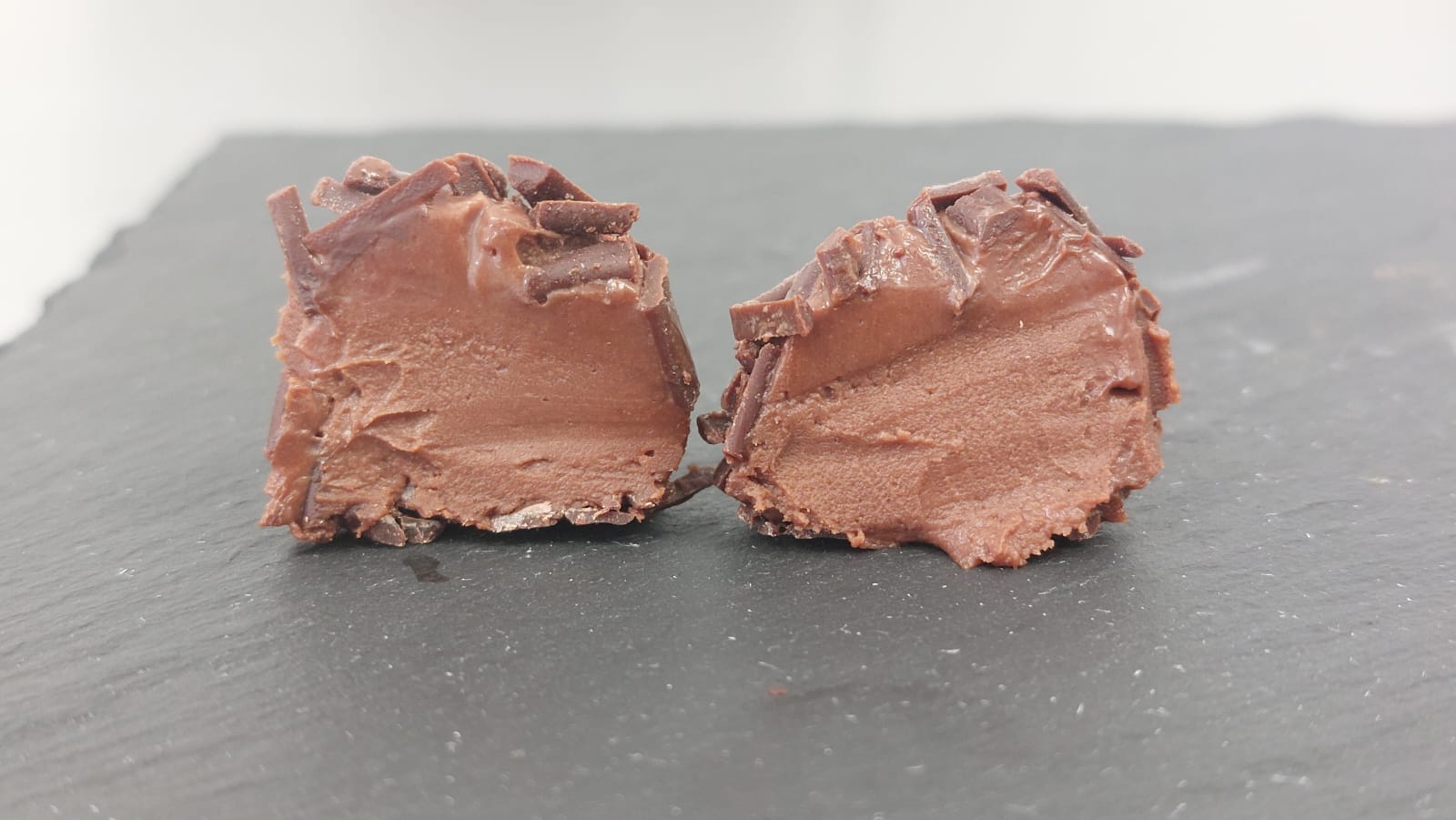
    trufas de ganache de chocolate con Grand Marnier

    What is ganache?

    Ganache is an emulsion; in other words, a mix of liquids and fats. In this case the primary fat component is chocolate, which contains cocoa butter. The liquid component in a ganache is traditionally cream, although it can also be plant-based milks, water, alcohol or fruit purée, like in our passionfruit bonbon.

    If you've ever tried to mix vinegar and olive oil to make a vinaigrette, you'll know that water and oil don't mix. If we want these two components to stick together, we have to make an emulsion: blend them really ferociously with the hand blender, and possibly add some kind of protein to help them bind. That's why people often add egg (an emulsifier) to mayonnaise.

    Still, no matter how hard you blend, all emulsions are inherently unstable. Water and oil don't like to be together. And that's exactly the quality we're looking for in a chocolate bonbon. As soon as you bite into it, it starts to melt in your mouth, which allows the flavour notes to shine.

    What makes an artisanal chocolate bonbon different from a long-life industrial bonbon?

    The issue with ganache is that it contains liquid, and liquid is the cradle of life - in this case, microorganisms like mould or bacteria. As artisanal chocolatiers, we create recipes that respect a set balance of fats, liquids, sugars and solids in order to guarantee a shelf life of one to two months under proper storage conditions. However, it's impossible to guarantee a longer shelf life without adding preservatives to a ganache. That's why most bonbons sold in the supermarket contain alternative fats, such as palm oil, instead of liquids. This allows them to obtain a "silky" texture that still marks a clear difference from the chocolate coating, although it will never be quite as creamy as a fresh ganache.

    bombon de chocolate con gianduja de avellanas
    Nuestro bombón de gianduja de avellanas D.O. Reus con neula crujiente

    What's praliné? And how about gianduja?

    Praliné is a sweet paste made by grinding nuts together with sugar. Gianduja is what you get when you combine nut paste with chocolate. Strictly speaking, gianduja is made with hazelnuts and chocolate, although today the term is used loosely to refer to pastes made with other nuts, such as a ''pistachio duja.''

    Mixing the cocoa butter with the oil present in the nuts - which is liquid at room temperature - creates a paste that is slightly softer than chocolate on its own. It can be made even softer by adding vegetable oils, which is how we would get Nutella.

    Since neither praliné nor gianduja contain liquid, they don't offer the extremely creamy texture of a ganache. But these fillings have other advantages. Since they don't contain liquid, we can add crispy components and they won't lose their crunch over time, as in the case of our hazelnut bonbon with crispy wafer. Gianduja and praliné also have a much longer shelf life, since they don't contain any water where microorganisms can grow.