Author: Danielle Pacheco

  • Chocolatier vs. chocolate maker

    Chocolatier vs. chocolate maker

    When someone tells you they make artisan chocolate, what does that mean, exactly? Within the world of chocolate there are many steps, starting with the growing of the cacao trees that takes place in the rainforest or the plantation, and ending with the moment when you sit down to enjoy a bonbon or a good chocolate bar. We'll take a look at the process of chocolate production and explain the difference between the two principal streams in artisan chocolate making: the chocolate maker and the chocolatier.

    Before we start, we'd like to take a moment to acknowledge the hard work of the cacao farmers, who plant, nurture, harvest, crack open, ferment and carefully dry the cacao beans. Without their care and dedication, it would be impossible to create this product that we love so much!
    What does a bean-to-bar chocolate maker do?

    "Bean-to-bar" refers to the process of converting cacao beans into chocolate.Obviously, all chocolate originally starts with the cacao bean, but the bean-to-bar movement specifically looks to select the finest strains of cacao in order to produce chocolate with unique flavour profiles.

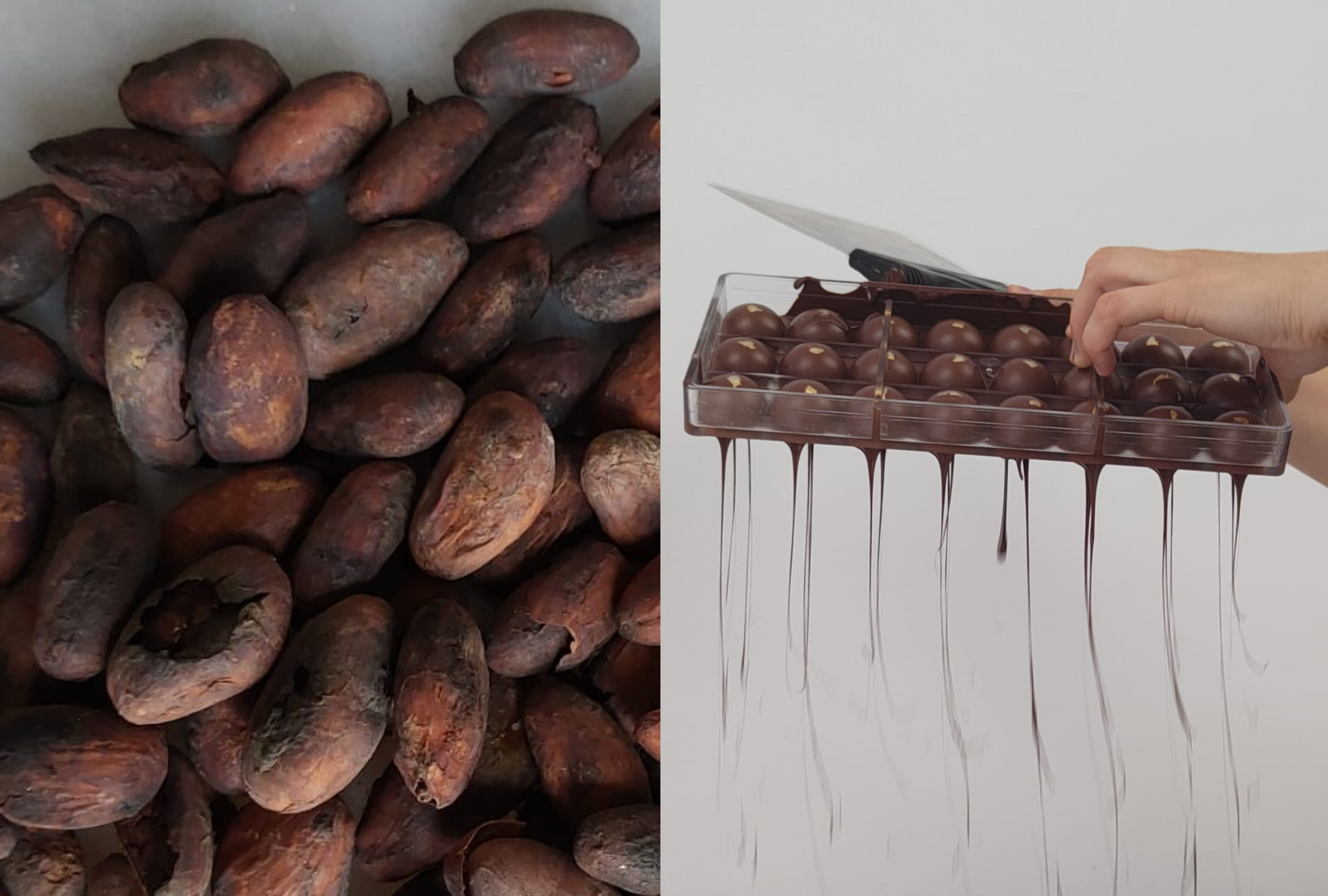
    The chocolate production process involves a lot of steps. Farmers plant cacao trees and when the fruit is ripe, they harvest it, cut it open and take out the seeds along with the mucilage, the sticky white substance surrounding the seeds. Seeds and mucilage ferment together for up to a week in carefully controlled conditions before being sun-dried and sent for processing.
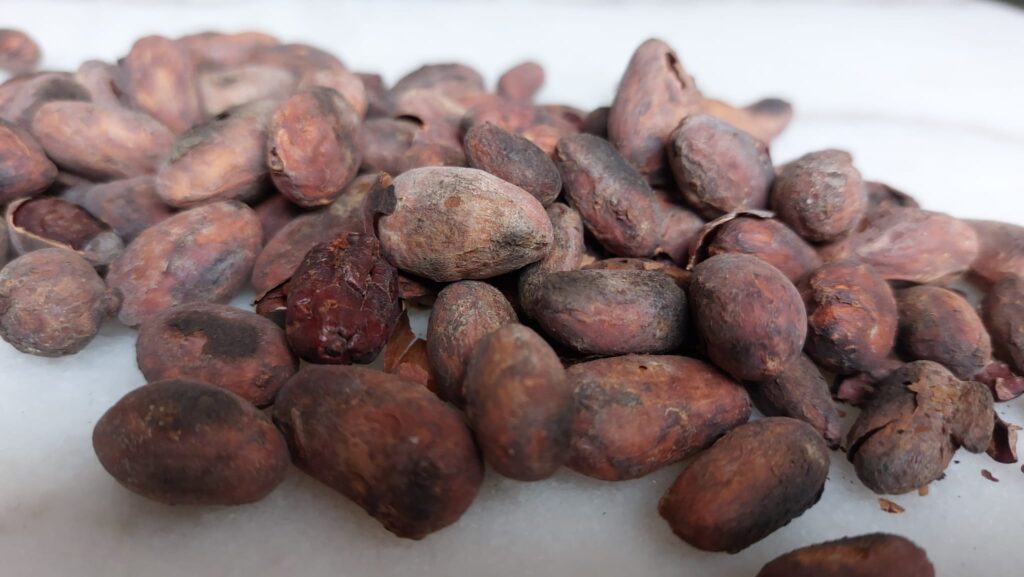
    The chocolate maker receives the dried cacao beans and sorts them to eliminate any that are mouldy or otherwise defective. They then roast the beans, "winnow" away the shells and grind the beans with stone wheels for anywhere between 24 to 72 hours to obtain a smooth paste. Some makers add additional cacao butter to the final product, or additives like lecithin to improve the texture and stability. You'll rarely see vanilla added to bean-to-bar chocolate, as its purpose in commercial chocolate is to mask off-flavours from poor-quality cacao.

    Each step contributes to the quality of the chocolate, from the moment the seed is planted up until the final chocolate bar takes shape. Depending on the cacao variety, producers and chocolate makers may adjust the fermentation time, the drying, the roasting temperatures or the hours of conching. Two bean-to-bar companies can buy the same cacao and produce two fairly different final chocolate products, just as the flavour of the beans also depends on proper fermentation and drying protocols.

    Larger chocolate makers purchase cacao beans wholesale. These low-cost beans are generally made with robust cacao varieties that are more resistant to pests but don't have as interesting of a flavour profile. Since the chocolate makers aren't in direct contact with the farmers, they also can't control the processes that occur before they buy the cacao. This means they often buy cacao that is poorly fermented, improperly dried or mouldy. To mask these defects, the cacao is toasted at high temperatures and mixed with ingredients like vanilla. If the cacao is really bad, they may "alkalanize" it. This process smooths out the flavour, but you lose all the unique tasting notes of the cacao fruit. By contrast, the bean-to-bar artisan looks for responsibly sourced cacao. Usually, there is a very transparent supply chain going all the way to the farmer, so the chocolate maker can be sure they are getting beans that were lovingly cared for by people earning a proper wage. The bean-to-bar maker then toasts the beans at a lower temperature in order to preserve the natural notes of the cacao fruit. This is why bean-to-bar chocolate can taste wildly different depending on where the cacao is from.

    What does a chocolatier do?

    A chocolatier (taken from the French) combines chocolate work with the skills of a pastry chef. Chocolatiers produce all kinds of different cacao-adjacent products, from bonbons to flavoured chocolate bars to dragées and chocolate figures.

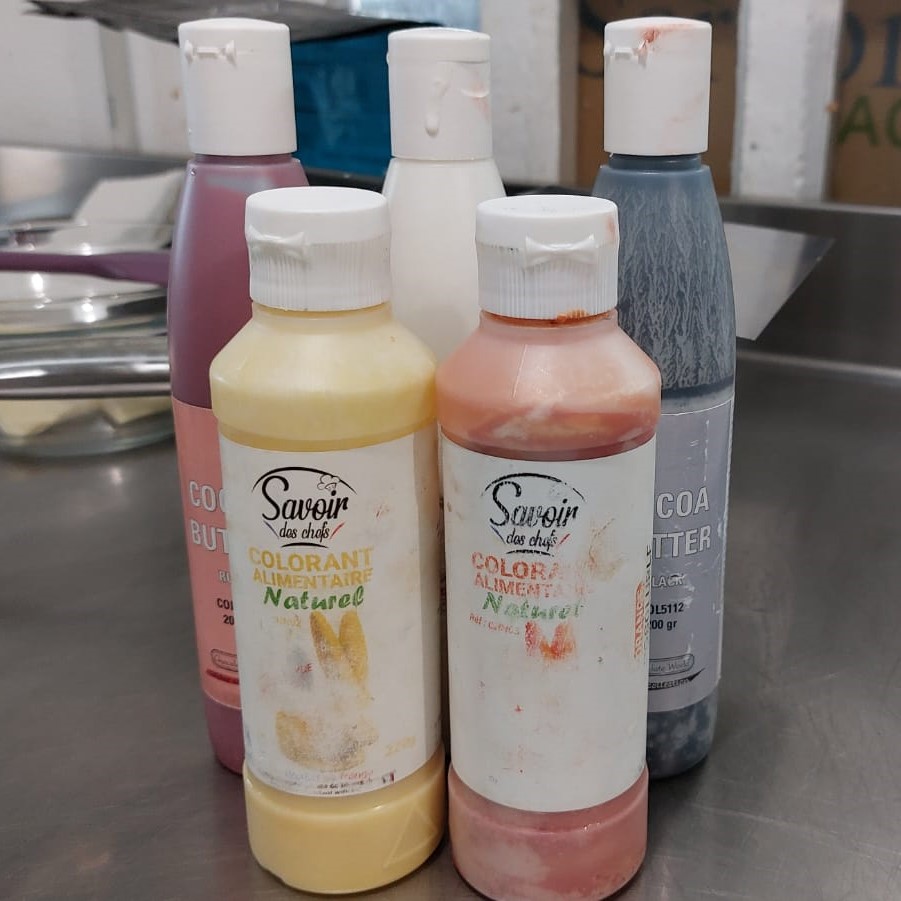
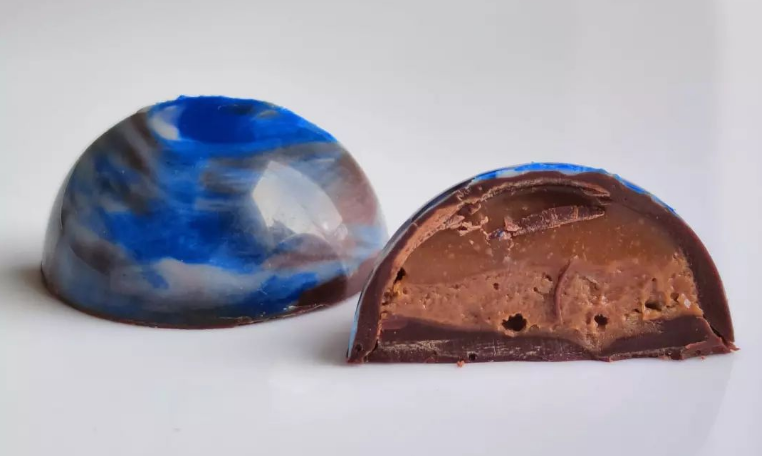
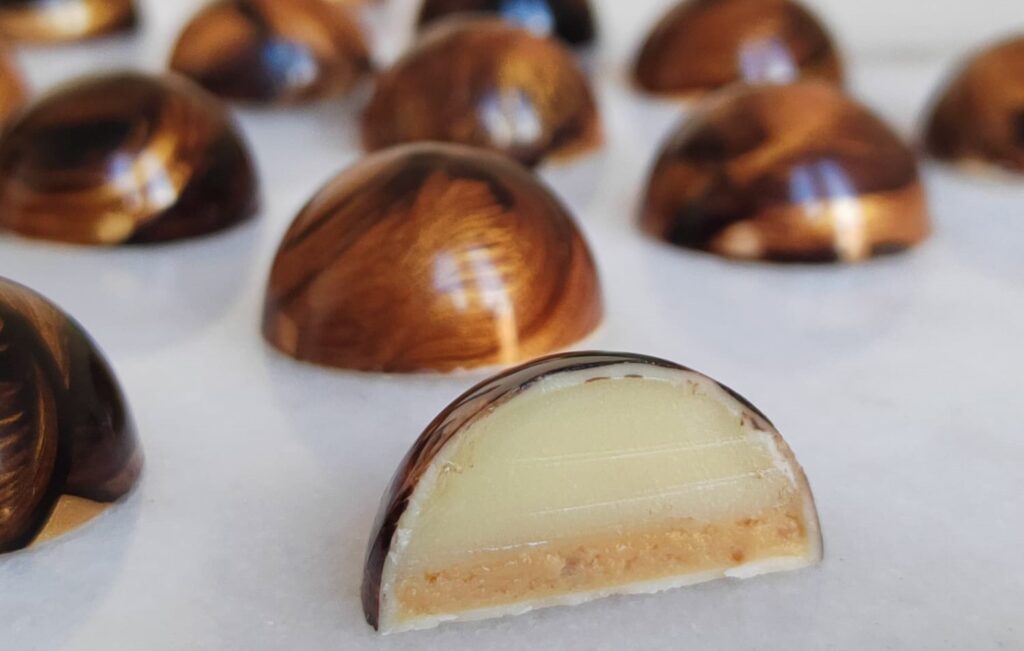
    Not only does the chocolatier need to understand the science of chocolate crystallization ("tempering") in order to master shine, texture and shelf life, they also need to have a solid grasp of certain components of pastry-making. Chocolatiers need to know how to emulsify a ganache and how to temper gianduja, and they need to know the different stages of sugar work in order to make fillings like caramel, pâte de fruits and marshmallow. In the case of decorated products like bonbons, chocolatiers also need to understand how to work with coloured cocoa butter in order to make pretty designs that are properly executed so that the cocoa butter shines and doesn't stick to the mould.
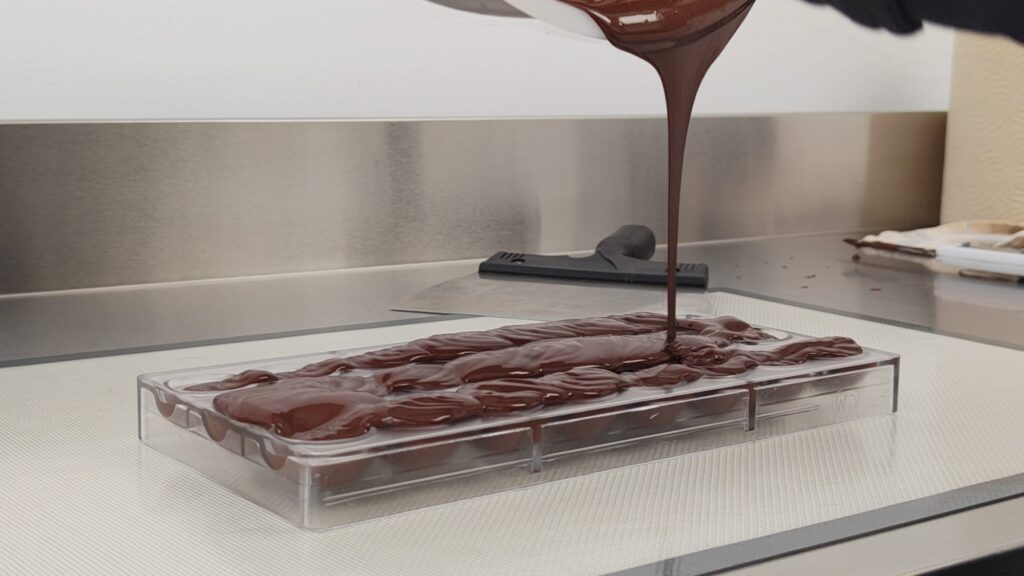
    Behind each product is a mountain of science and technique that must be followed in order to obtain a smooth, silky texture and a balanced flavour profile. Since many of the finished products contain water, it's extremely important that the chocolatier understand how to balance the recipe and follow the proper steps so they can guarantee a certain shelf life without resorting to chemical preservatives. Chocolatiers use various techniques to create recipes with original textures and flavours, always striving to harmonize these flavours with the natural flavours of the chocolate itself. 

    What are the similarities between bean-to-bar makers and artisan chocolatiers?

    Both the bean-to-bar maker and the artisan chocolatier work in small batches, dedicating passion and dedication to their projects.

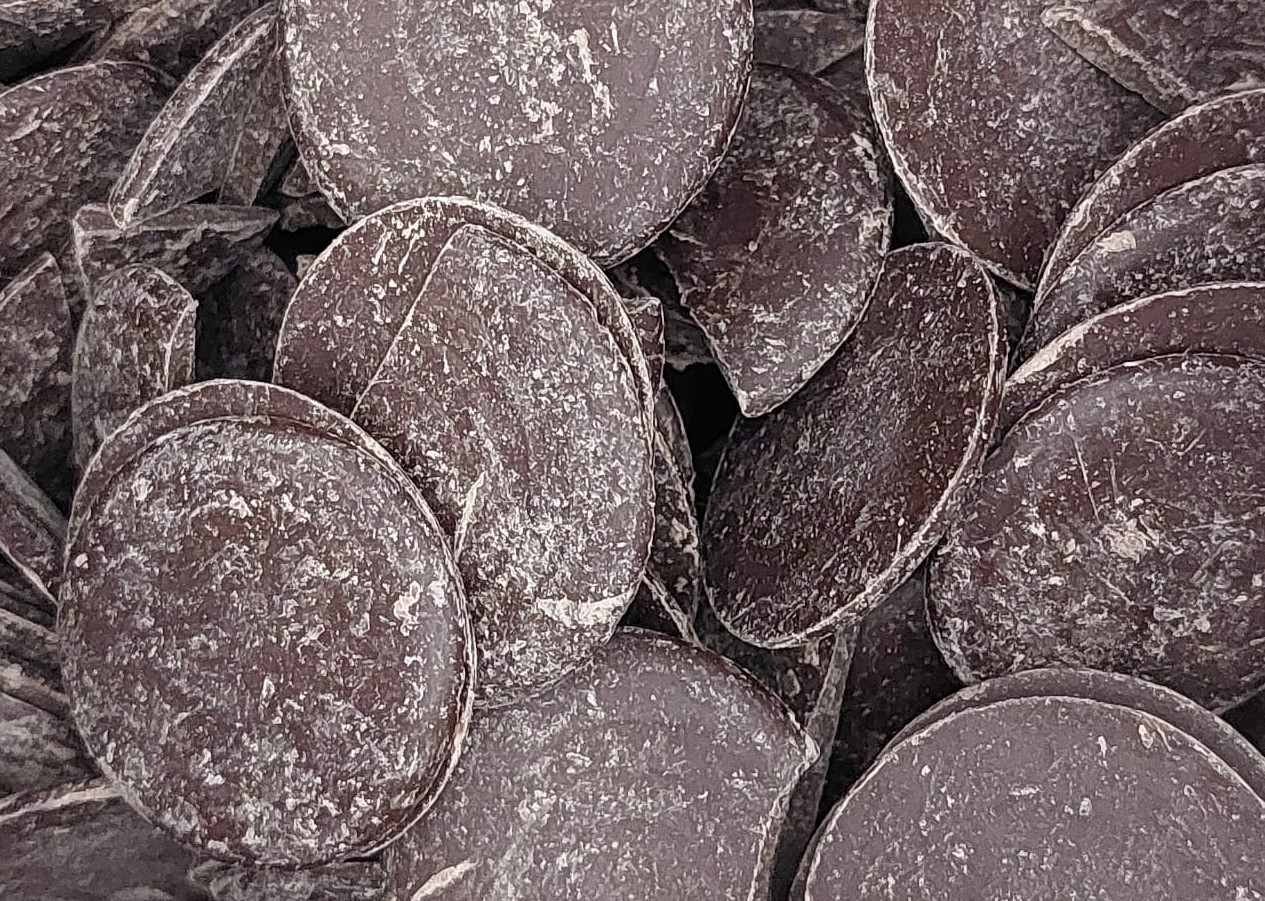
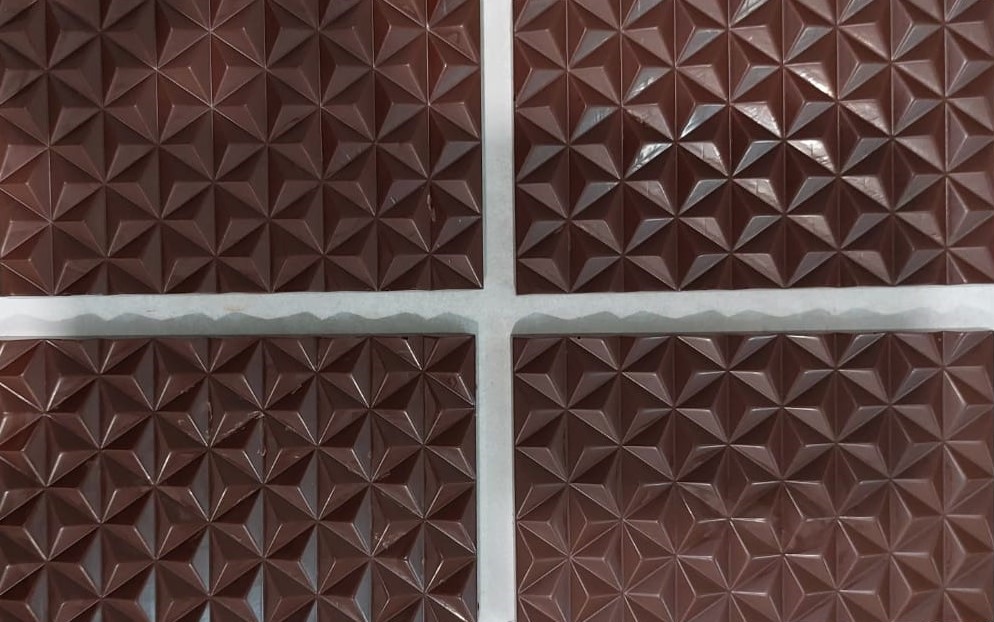
    Although not all chocolatiers buy high-quality chocolate, many do. In our case, we source tree-to-bar chocolate directly from the companies and cooperatives that run the plantations, and use local, seasonal ingredients for our fillings and inclusions in a never-ending quest to produce the best-quality products possible. We believe that by combining the concepts of rare cacao and artisan chocolatiering, we can obtain a unique and delicious product that brings out the best of both worlds.
  • ¿Por qué suben los precios del chocolate?

    Why is the price of chocolate rising?

    Chocolate prices skyrocketed in 2024 - concretely, 130% - and prices are expected to continue rising in 2025. We'll examine some of the factors that influence the price of chocolate, and how a small change in purchasing decisions can help you get more bang for your buck.

    What influences the price of chocolate?

    The price of chocolate is established based on several factors. Climate and demand affect the availability of cacao, the raw product used to make chocolate. So it stands to reason that these two factors play a big role in the price you pay for your chocolate. A chocolate bar may also cost more or less depending on how much the farmers are getting paid and how many middlemen are involved in the production and supply chain, such as intermediaries who collect cacao from the farmers and sell it to companies who import cacao into non-cacao-producing countries, like countries in Europe or North America.

    Climate and plant diseases

    Cacao only grows in tropical areas, in the band stretching from 20 degrees above the equator to 20 degrees below the equator. These hot and humid regions supply the necessary heat and water for cacao plants to thrive, but it's a delicate balance and these areas are vulnerable to climate change.

    On top of this, 2023 was the year of El Niño, a weather phenomenon that brought drier-than-usual weather to Ghana and the Ivory Coast. A lack of rain followed by too much rain at the wrong time had serious effects on the 2023 harvest in both these countries, which typically provide 70% of the cacao used worldwide between them.

    In addition to the climate, other factors that affected the cacao harvest include plant disease , advanced plant age, and a lack of money on the part of the farmers leading to a failure to invest in caring for the land, with corresponding effects on its fertility.

    Demand

    Chocolate is enjoyed by an increasing number of people around the world, especially in the Asian market , which historically didn't consume as much. As choco-lovers we are of course very happy for chocolate to reach as many people as possible, but of course this also means the planet needs to produce more cacao in order to meet demand.

    Consumer preferences have also evolved over the last few years, with more people opting for dark chocolate due to its potential health benefits. Dark chocolate has a higher percentage of cacao than milk or white chocolate, so it's more vulnerable to changes in the price of cacao as a commodity.

    With cacao in such high demand, large companies have been forced to virtually empty their stockpiles, with the contents of cacao warehouses in London and New York falling 80% to reach levels not seen in 20 years. Without these reserves to cushion changes in price, cacao prices are more volatile.

    Another factor is the stock market, since cacao futures can be traded and are subject to price changes just like any other stock.

    Middlemen

    The vast majority of the farmers who actually grow the cacao are paid very little, and these low wages lead to deforestation and child labour. An estimated 1.56 million children are working in cacao plantations in Ivory Coast and Ghana.

    The farmers sell their cacao beans to middlemen who then sell them to large processing companies such as Nestlé or Barry Callebaut. These intermediaries and processing companies take a large chunk of the profit. When you buy a 3-euro chocolate bar in the supermarket, you can rest assured that the the farmers were only paid a few cents..

    We can avoid this price inflation by buying chocolate from companies that work directly with the farmers. Generally, this system also sees the farmers earning a fairer wage.

    Where do we source our chocolate at Danielle Pacheco Chocolatier?

    At Danielle Pacheco Chocolatier, all of our chocolate is sourced from small companies with their own cacao plantations, most of them in Central America. We work primarily with chocolate from Xoco Gourmet, and we also use select couverture from Cluizel Paris and Original Beans..

    This chocolate is more expensive than chocolate from Callebaut or other similar companies, but it guarantees fair wages and working conditions for the farmers, and results in a product that has been cared for from the very start to bring out the finest and most unique flavours.

    Like most chocolate companies, we'll need to raise our prices in 2025. However, because our chocolate already comes from ethical, sustainable plantations and not from Ghana or Ivory Coast, we'll only need to raise our prices by about 10%. This reflects the rise in the prices we pay to our providers, who in turn pass those earnings on to the farmers so they can continue to enjoy good working conditions.

  • ¿Qué hay dentro de una tableta de chocolate?

    What's in a chocolate bar?

    How is chocolate made?

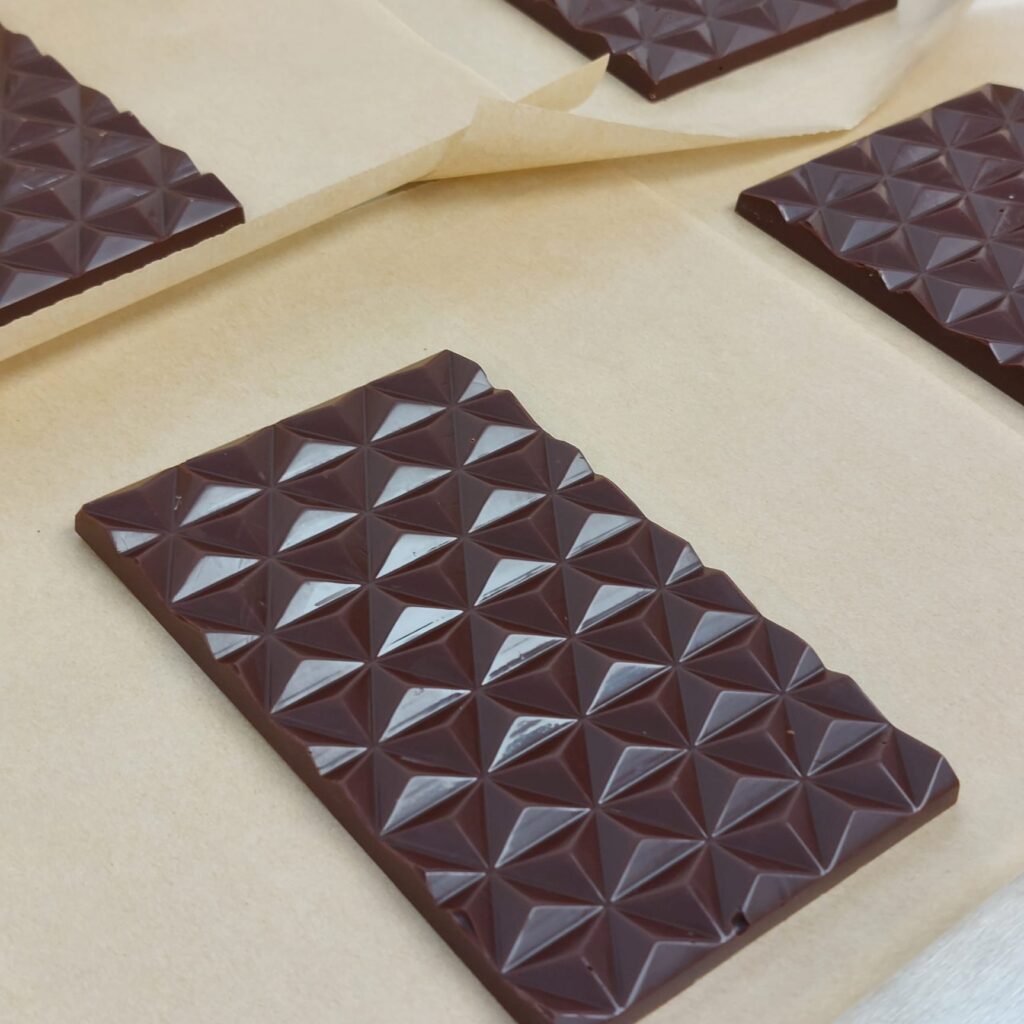
    Chocolate is sold to us in hard, rectangular tablets. It can be dark, milk or white - but have you ever wondered what exactly is inside? You may be surprised to hear how many steps are required to produce this sweet delicacy.

    Cacao beans: the chocolate origin story

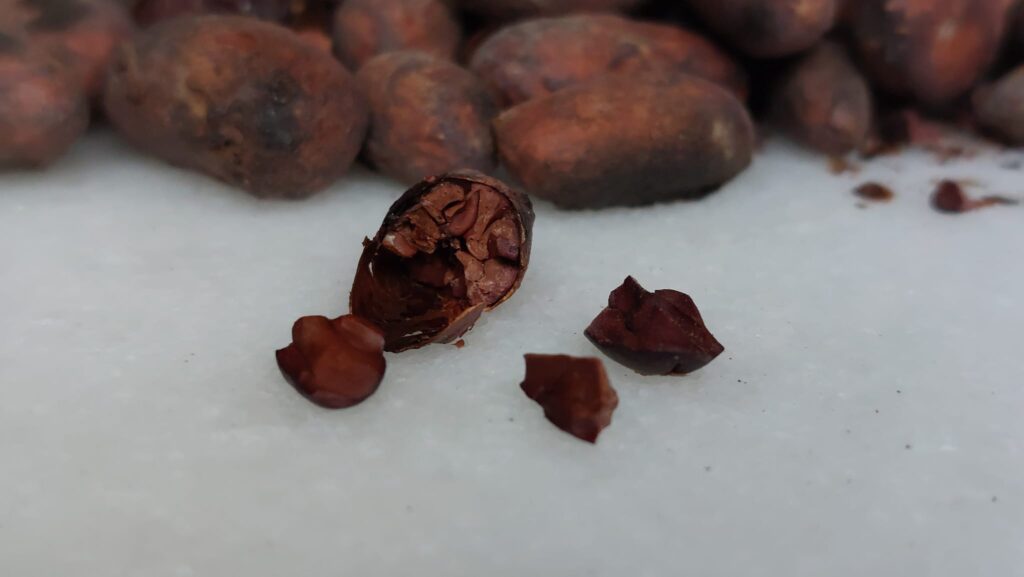
    Chocolate's fundamental ingredient is cacao, which comes from the cacao bean. The cacao bean is the seed of the cacao tree, Theobroma cacao. It's found inside the cacao pod, which also contains a white substance named mucilage.

    To start the process of making chocolate, we start by taking the cacao beans and letting them ferment for several days. This fermentation stage stops germination and helps the cacao start to develop its unique flavour nuances.

    Next, the cacao beans are tried and toasted, another important step for flavour development. The dried beans are winnowed to remove the shells, and then pressed. We end up with two ingredients: cacao butter and cacao liquor (not in the alcoholic sense).

    Cacao liquor: that classic chocolate taste

    Cacao liquor is what makes chocolate taste like chocolate. The taste can vary significantly depending on the cacao variety, the terrain and the microclimate of the plantation, and the fermentation and roasting stages. A good bean-to-bar maker knows how to leverage these steps in order to bring out the delicate nuances of a fine-quality cacao bean.

    Cacao liquor is one of the primary ingredients in dark and milk chocolate. White chocolate does not contain cacao liquor, although it does contain cacao butter.

    Cocoa butter: fundamental ingredient in white, dark, and milk chocolate

    Cocoa butter is the fat of the cocoa bean, and it's responsible for the texture of well-made chocolate. Cocoa butter is a unique fat in that it's solid at room temperature, but it melts quickly once it reaches approximately 32 degrees Celsius, which is more or less mouth temperature. If you want to work with chocolate, you need to master tempering to produce shiny chocolate with a firm snap.

    There is cocoa butter in white, dark and milk chocolate.

    Ingredients in white, dark and milk chocolate

    The core ingredients in dark chocolate are cocoa liquor, cocoa butter and sugar. These ingredients are ground, or "conched," for more than 24 hours to obtain a fine and creamy texture.

    Chocolate makers may add a hint of vanilla to balance the flavour, or a pinch of soy, rapeseed or sunflower lecithin to help with the texture, but dark chocolate is naturally vegan and does not contain milk products.

    Milk chocolate is made with cocoa liquor, cocoa butter, sugar and powdered milk. Some chocolate makers may add vanilla or lecithin.

    White chocolate is a little different. It contains cocoa butter, powdered milk and sugar, but it doesn't contain any cocoa liquor. This is why white chocolate doesn't take on the brown colour of dark or milk chocolate.

    Nowadays there are also many chocolate products that replace white sugar with natural sugars or artificial sweeteners; or vegan milk instead of cow's milk. Some companies even make "white chocolate" with raspberry, passionfruit, or other fruit powders instead of milk.

    In order to meet the legal definition of chocolate, the product must contain a minimum of 35% cocoa in the form of paste or butter. In Europe, companies are permitted to add up to 5% of other vegetable fats, although chocolate made with other fats is considered to be of inferior quality.

    Bonbons are made with couverture chocolate, which has a higher percentage of cocoa butter. Couverture chocolate flows better and is less viscous when melted, making it easier to handle and allowing for thinner, more delicate layers.

    What does the percentage on a chocolate bar label refer to?

    The percentage refers to the percentage of cocoa, which includes cocoa paste and cocoa butter. So for example, a 70% dark chocolate bar could contain 30% cocoa butter, 40% cocoa mass and the rest sugar. Or, it could contain 50% cocoa mass, 20% cocoa butter and the rest sugar.

    Generally there is no way to know the percentages of cocoa butter and cocoa mass separately, so the percentage is not the best way to know if a tablet will have a strong flavor or not. Additionally, the cocoa itself can have different flavour notes depending on its origin.

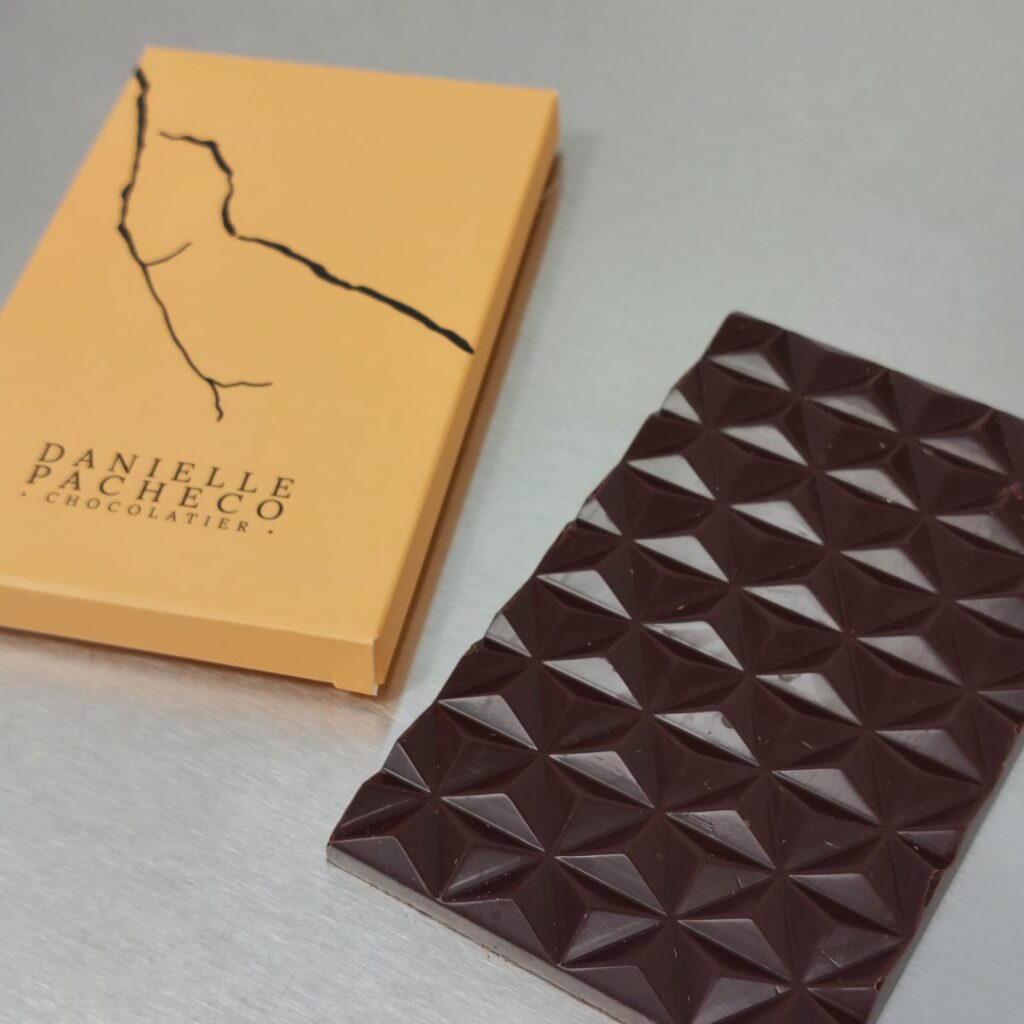
    At Danielle Pacheco Chocolatier we sell chocolate bars made with pure-origin chocolate, which have been treated with the utmost care to preserve and highlight their unique flavour notes.

  • ¿Cómo decoramos los bombones?

    How do we decorate our bonbons?

    There are many ways to decorate chocolates. Today we'll take a look at the methods we tend to use at Danielle Pacheco Chocolatier.

    Steps for decorating a chocolate bonbon

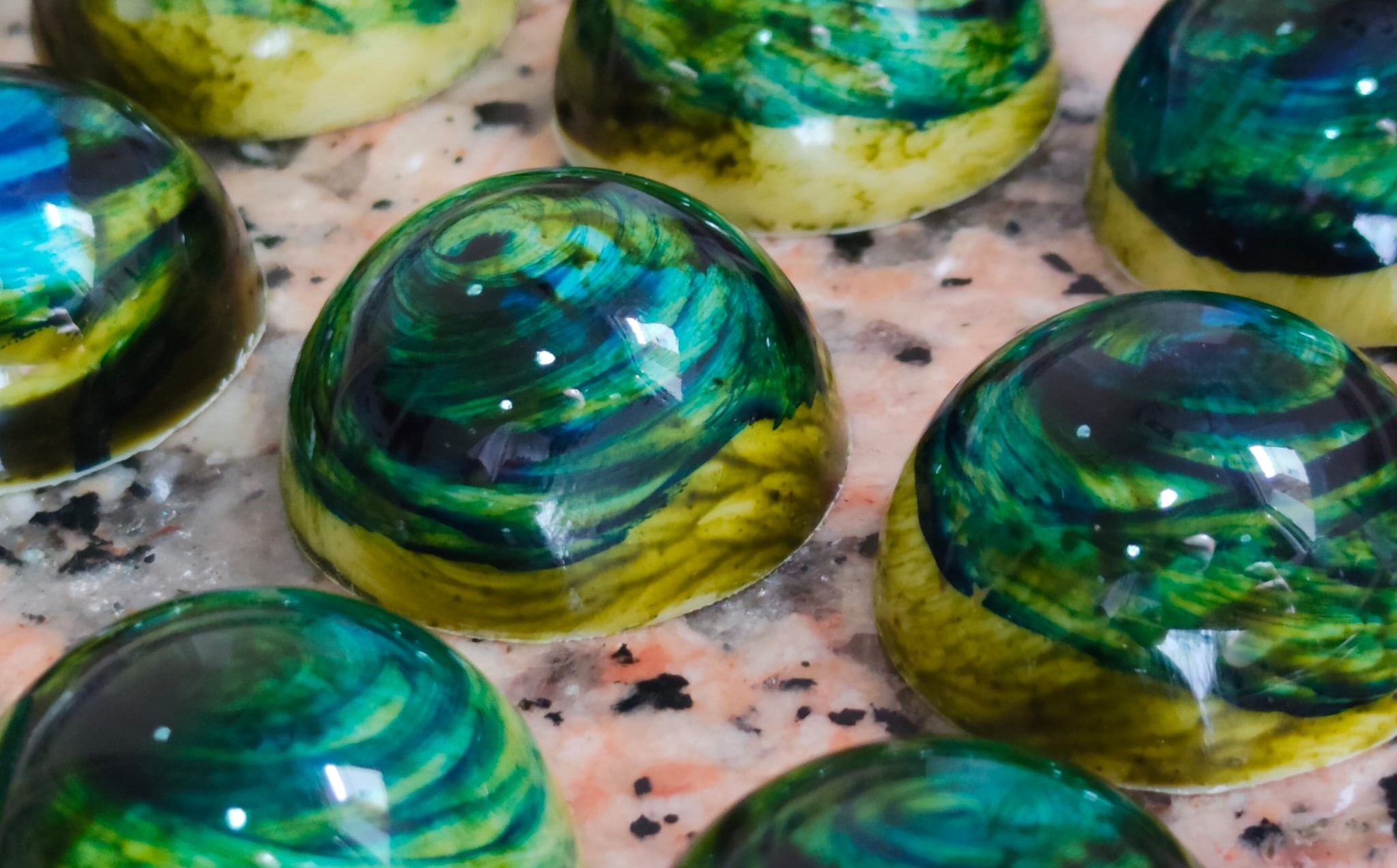
    We make moulded chocolates, which means we need to decorate the mould before adding chocolate to make the shell. We start by choosing the colours and mixing them if necessary. Then, we temper the cocoa butter and apply the colour to the mould using a foodsafe paintbrush, a sponge or a glove.

    What makes the chocolates shine?

    Chocolate shines thanks to the cocoa butter, one of the core ingredients extracted from the cocoa bean. Cocoa butter is a very unique ingredient because it is polycrystalline. This means that when it changes from liquid to solid form, it can take on different appearances depending on how the crystals arrange themselves. It's similar to how carbon can take on the brilliant shape of a diamond or the rougher form of carbon.

    In order to make chocolate shiny we need to know how to handle it according to established temperature curves, timing and agitation. This process is called tempering, or precrystallizing, the chocolate. When chocolate has been well tempered, the crystals fit together snugly and the final product has a notable shine and snap. However, this shine is lost when the temperature of the chocolate rises above 22 degrees.

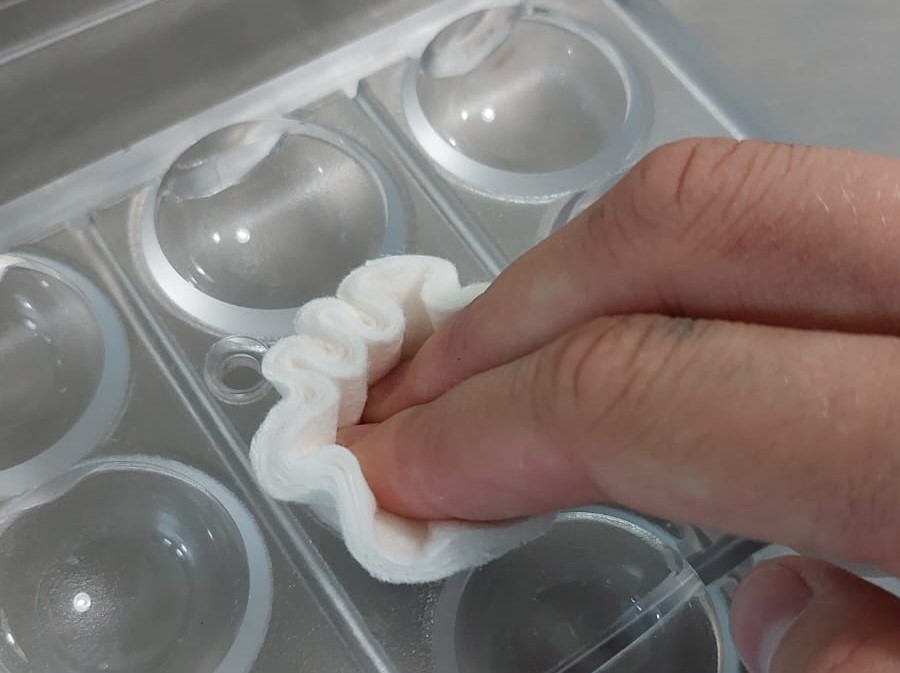
    We use plastic moulds rather than silicone moulds, because chocolate takes on the texture of the surface on which it hardens. We polish each cavity before decorating so the chocolate will shine as much as possible.

    Puliendo molde de chocolate con algodon

    What type of colouring do we use in our chocolates?

    There are many types of pigments that can be used to colour chocolate bonbons. At Danielle Pacheco Chocolatier we use exclusively natural pigments. We boycott artificial colours, as these are made with petrochemicals and we can't stomach the thought of having petrochemicals in our chocolate!

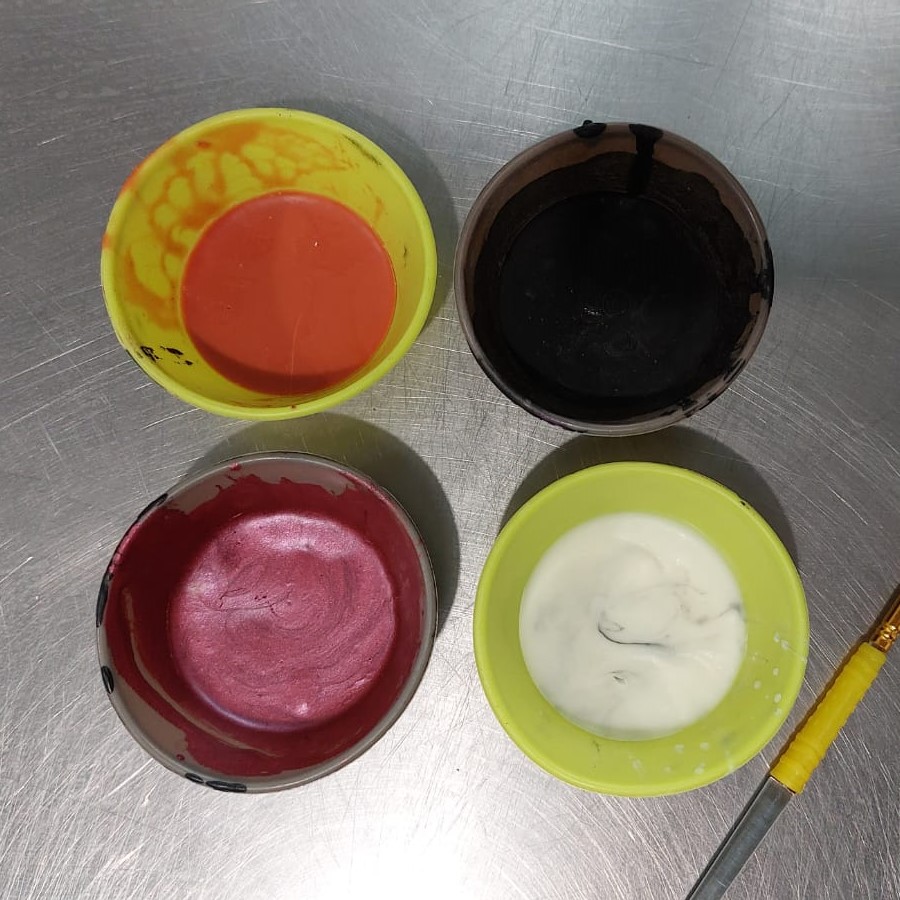
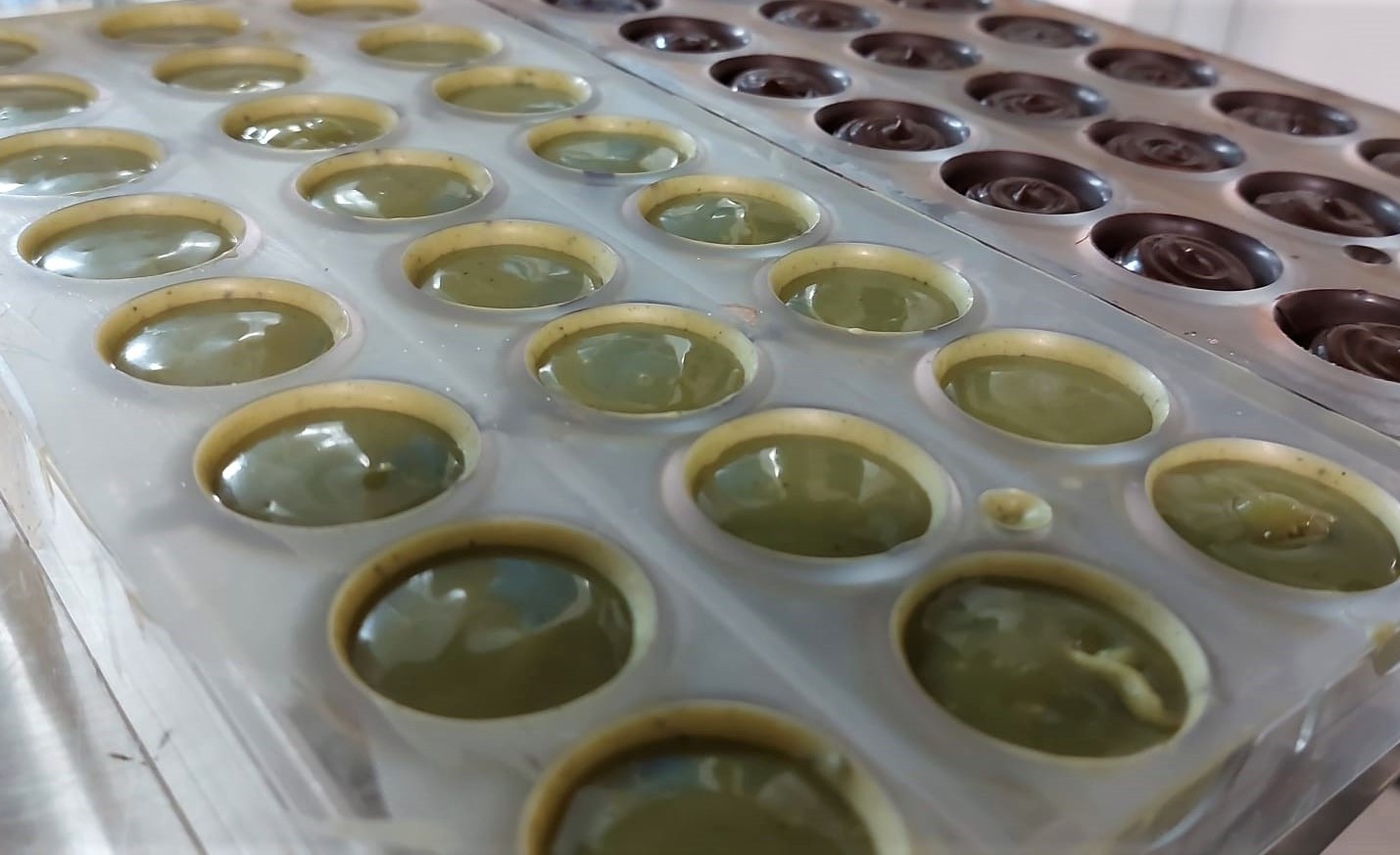
    We get some of our colours directly from food. For example, for green food colouring we use matcha powder, and our dark blue comes from spirulina. These powders can be mixed directly into melted cocoa butter and used directly. We buy our orange cocoa butter already made, but it's made from turmeric and radish.

    Otros colorantes son de origen natural, pero no vienen de plantas. Destacan el negro (carbón vegetal, E153), el blanco (e170, carbonato de calcio) y el rojo (óxido férrico, E172).

    The only synthetic colouring we have used in the past is blue E133. It's almost impossible to find a natural blue food colouring, since this is a colour that doesn't exist much in nature. However, we were very excited to find a provider that makes all-natural blue colouring with spirulina, so that's what we use now!

    Botellas de manteca de cacao con colorantes naturales para decorar chocolate
    Manteca de cacao con colorantes naturales para decorar chocolate

    What's titanium dioxide, and why isn't it used?

    Until 2022, titanium dioxide (E171) was widely used to add a white backing to bonbons and other food products. Titanium dioxide is very opaque. When painting colours onto a dark chocolate bonbon, it helped to add a layer of white behind the colour to make the colour pop more. It's a similar concept to painting on a white canvas instead of a black canvas.

    In 2022, the European Commission banned the use of titanium dioxide because research indicated it might be linked to chronic health conditions. Chocolatiers in Europe now use calcium carbonate (E170) instead, but this type of white food colouring is not as opaque, hence why bonbons aren't quite as colourful as they were a few years ago.

    Qué son los colorantes AZOICOS?

    Los AZO dyes are dyes that contain a specific chemical structure, based on nitrogen ("azote" is French for nitrogen, a word based on the Greek a- (without) and zoion (life), because living beings can't survive in pure nitrogen). These dyes are organic, meaning they're carbon-based; but synthetic, meaning they're made from petrochemicals. More than half of the dyes you find in clothing, food, and other commercial uses are AZO dyes.

    Los Southampton colours refers to six azo dyes that may cause attention problems in children when consumed in very high doses. Southampton colors are Tartrazine (E102), Quinoline Yellow (E104), Sunset Yellow FCF (E110), Azorubine/Carmoisine (E122), Ponceau 4R (E124) and Allura Red AC (E129).

    At Danielle Pacheco Chocolatier we do not use any AZO dyes or Southampton colours. While they continue to be legal in Europe, we feel it's unnecessary to include additives with potentially harmful effects on children. All our chocolate bonbons are decorated with natural plant- or mineral-based colours.

    For products that do use Southampton colours, companies are legally obliged to include a notice of the potentially harmful effects on activity and attention in children.

  • ¿Por qué comprar chocolate artesano?

    Why should you buy artisanal chocolate?

    If you like chocolate, you might have wondered what the difference was between well-known brands and smaller artisan chocolatiers. Turns out, it's not just about the price! Artisanal chocolatiers are able to hand-select their ingredients, and for several reasons, this turns out a product that is miles different from what you find in the supermarket. We'll explore five reasons why it's worth favouring artisan chocolates.

    1. Artisanal chocolate bonbons are unrivalled for flavour

    Chocolate bonbons from the supermarket usually last for months and months, while an artisanal bonbon will generally last 2 months maximum. The traditional ingredients used to make the filling of a bonbon – ganache being the most typical – include cream, butter, and sometimes fruit purées or other fresh ingredients. It's impossible to make chocolates with a shelf life of half a year if we want to use these fresh ingredients, which is why the big brands tend to substitute them with oils, powdered milk, and other ingredients that do not have the same flavour. Pay attention the next time you try a commercial truffle compared to an artisan truffle, and you'll notice the difference.

    2. Commercial bonbon texture just can't compare

    Just as they affect the flavour, fresh ingredients also make a big difference in terms of the texture of the bonbon. Butter, in particular, provides a creamy texture that is very difficult to simulate, with most commercial pralines being oilier due to the use of palm oils and the like. Since the idea of a chocolate bonbon is to contrast the hard shell with the creamy interior, it would be a shame if the interior did not have the texture that we're looking for!

    3. Artisanal bonbons can be healthier

    We won't go so far as to say that chocolate bonbons are a superfood, because it is true that most of them contain a generous dose of sugar and fat. But artisan chocolatiers tend to be much more careful when selecting ingredients, using the highest-quality fruits and nuts and avoiding the use of alternative fats such as palm oil. The relatively short shelf life of an artisan bonbon also makes it possible to reduce the amount of sugar and other preservatives.

    4. Commercial chocolate brands usually use less ethical chocolate

    We've all heard about chocolate plantations who use child labour, pay their workers a pittance, and provide awful working conditions. Big brands lack a transparent supply chain, and as a result, the vast majority of chocolate sold in the world is produced under seriously unethical conditions.

    Luckily, there is a solution that doesn't involve giving up chocolate. We can opt for bean-to-bar chocolate, produced by smaller manufacturers who work closely with producers in the countries of origin to ensure that they maintain more dignified conditions for their workers and for the environment. We source our chocolate from Xoco Gourmet and Original Beans.These companies work directly with the farmers, offering a fair salary and ongoing assistance with management of the plantations as well as optimization of the drying and fermentation processes. This means farmers are able to take better care of the cacao beans, which ultimately translates to a better-quality chocolate.

    5. Originality

    Big brands know what people like, and you'll always find popular flavours like almond, hazelnut, orange, or raspberry. But what if you want to go further and discover how lime, cayenne and white chocolate complement each other? Wondering if it's possible to create a horchata-flavored bonbon? In these cases, you will have more luck with an artisan chocolate shop. Like everything artisanal, small chocolate manufacturers seek to incorporate local flavours, giving free rein to their creativity and always striving for combinations that surprise us and teach us to enjoy chocolate in a different way.

    How do I know if a chocolate is artisanal?

    Not sure how to tell if a chocolate is artisanal? Start by reading the ingredient list. Look for chocolate products that contain cream and butter (or vegan alternatives), and avoid products that contain palm fat, hydrogenated fats, powdered milk, or other substitutes for fresh ingredients. If you still have doubts, we make it easy for you! At Danielle Pacheco Chocolatier all our products are artisanal, including the delicious chocolate bonbons and the white chocolate-covered almonds.

  • Cómo cuidar los bombones de chocolate en verano

    How to store your chocolates in the summer

    It's getting warm and your chocolate bonbons are starting to sweat! We all know that chocolate starts melting around 30 degrees - as you might have been able to attest after picking up a chocolate bonbon and watching it melt all over your fingers.

    Although we always recommend storing chocolate out of the fridge, preferably in a dark closet, the fact remains that after a certain temperature your chocolate does become liquid. Not only does this affect shelf life, but it also alters its appearance and structure. Our bonbons weren't designed to eat with a spoon!

    We'll take a look at the best way to store chocolate in summer, and what to consider before storing in the fridge. Sounds too complicated? There's always the option of just scarfing the chocolates back instead of storing them!

    Bombon de caramel y avellana

    Why shouldn't you keep chocolate in the fridge?

    Chocolate has two archenemies: temperature changes and humidity. Putting chocolate in the fridge means changing the temperature, and subjecting it to another temperature change when you take it out again. Most refrigerators are also quite humid, due to their cold temperature and other items in the fridge.

    Some changes you may notice if you put chocolate in the fridge include:

    • Texture changes: Your chocolate bonbon may be harder immediately after coming out of the fridge, but after coming back to room temperature it risks taking on a mushy texture. Fillings like caramel are also delicate and may be subject to texture changes.
    • White marks: Putting chocolate in the fridge can also cause white marks to appear on the surface. These are caused by sugars and fats from the chocolate moving to the surface, which often happens with humidity.
    • Loss of shine: Los bombones brillan gracias a la manteca de cacao, una grasa presente en el haba de cacao y uno de los ingredientes principales del chocolate. La manteca de cacao es muy delicada y puede asumir varias formas dependiendo de cómo la tratamos. Los chocolateros saben cómo manipularla para formar una estructura de cristales que brilla, pero con demasiado calor, frio o humedad, esta estructura se pierde.
    • Strange taste: Since it has a large proportion of fat, chocolate is susceptible to absorbing odours. Putting it in the fridge without properly wrapping it means it may take on the aromas of other things in the fridge: onions, tomato soup, lettuce...

    So, when can I keep chocolate in the fridge?

    The optimal temperature for conserving chocolates is up to 20 degrees Celsius. Cocoa butter starts to lose its shine around 23 degrees, and above 27 degrees your chocolate will take on a noticeably soft and melty texture.

    If you plan to eat your chocolates soon and you're not too fussed about the shine, it's ok to leave them out of the fridge for a few days. Just keep in mind that this will affect the shelf life, and if they're meant as a gift, they won't look as nice.

    At Danielle Pacheco Chocolatier we store our bonbons in a wine fridge (with no wine). The fridge is set between 14 and 16 degrees Celsius and contains a small, open bowl of baking soda to absorb humidity. For deliveries, we use a thick isothermic bag, wrap the chocolate box in a clean kitchen towel and add a few reusable ice blocks to the bag. This keeps the chocolates at approximately 15 degrees.

    How should I store my chocolate in summer?

    The ideal place to keep your chocolate is inside an airtight container in a wine fridge. If you don't have a wine fridge, you can also keep it in a regular fridge, but you may not get the same results.

    Be sure to protect your chocolate using a sealed container, preferably one that leaves little room for air around the bonbons. The goal is to slow down the temperature changes to prevent condensation from forming. You may also consider wrapping the box in extra layers of tinfoil or clean cloths.

    Guardar el chocolate dentro de la caja evita que la condensación se forma sobre los bombones. Cuando vayas a sacar los chocolates de la nevera, guardalos dentro del contenedor hermético unos 20 minutos o hasta que veas que ya no haya condensación en su exterior. Esto asuaviza la transición a la temperatura ambiente para proteger los bombones de la humedad.

    If you're looking to keep the chocolates for many weeks or months, you can also freeze them. We recommend first putting them for 24 hours in the fridge, and then the freezer. When you take them out of the freezer, follow the same process: first move them to the fridge for 24 hours, then to room temperature for 24 hours without taking them out of the box. This process helps protect against temperature shocks.

    Of course, we always recommend enjoying your chocolates at room temperature, between 18 and 20 degrees. The chocolate will melt in your mouth and the flavours will be more complex than if you eat them straight out of the fridge.

    Why are there white marks on my chocolate?

    Chocolate can get white marks from sugar or fat - it's very rare for pure chocolate to get mouldy, as it has a high sugar and fat content and virtually no moisture. The so-called sugar and fat bloom don't affect the taste or the shelf life of the chocolate. They are safe to eat, although they may alter the texture and the appearance.

    You might have noticed white marks from fat bloom when buying chocolate bars that have sat in a warm warehouse before being sold in an air-conditioned store. You can recognize fat bloom because it melts and disappears when you touch it, as a result of the cocoa butter crystals reorganizing.

    By contrast, sugar bloom usually appears due to humidity. Water attracts sugar crystals to the surface of the chocolate, where they reorganize and form white marks. Humid environments and temperature changes are the usual culprits of sugar bloom, and storing chocolates in the fridge unites both these conditions.

  • Nueva ley de la UE para luchar contra la deforestación: ¿Cómo afectará al cacao?

    New EU legislation to protect against deforestation: How will it affect cacao?

    The European Union has just approved new legislation that aims to tackle deforestation and forest degradation. Learn what it means for cacao producers and the chocolate industry.

    What is the new EU regulation on deforestation and forest degradation?

    In the coming 18 months, companies who import specific raw materials including coffee, cacao, lumber, soy, palm oil, cattle, or rubber and any materials derived from these will need to prove they weren’t sourced from land that was deforested after December 31, 2020. There will be penalties for those who don’t comply.

    The new regulation should improve traceability, making it easier for chocolatiers and end users to know where their cacao is coming from and what impact it had on the environment.

    While we can’t stop all deforestation in its tracks, the EU does represent quite a big market for these primary materials. The hope is that by reducing demand for irresponsibly sourced products, we can encourage producers and middlemen to be more sustainable. The regulation will set out areas that are considered low, medium and high risk and enact procedures based on these risk levels.

    What is deforestation?

    Deforestation refers to the practice of cutting down a virgin forest to make room for agriculture or other uses. The related concept of forest degradationrefers to when a forest still technically has trees, but offers little capacity for maintaining biodiversity or providing anything of use.

    Damage to forests is a key contributor to climate change. It has a crippling impact on biodiversity and it threatens endangered species. The IUCN estimates that at least one hectare of tropical forest is lost every second to deforestation or forest degradation.

    How does cacao contribute to deforestation?

    Unfortunately, deforestation is often closely linked to cacao production..

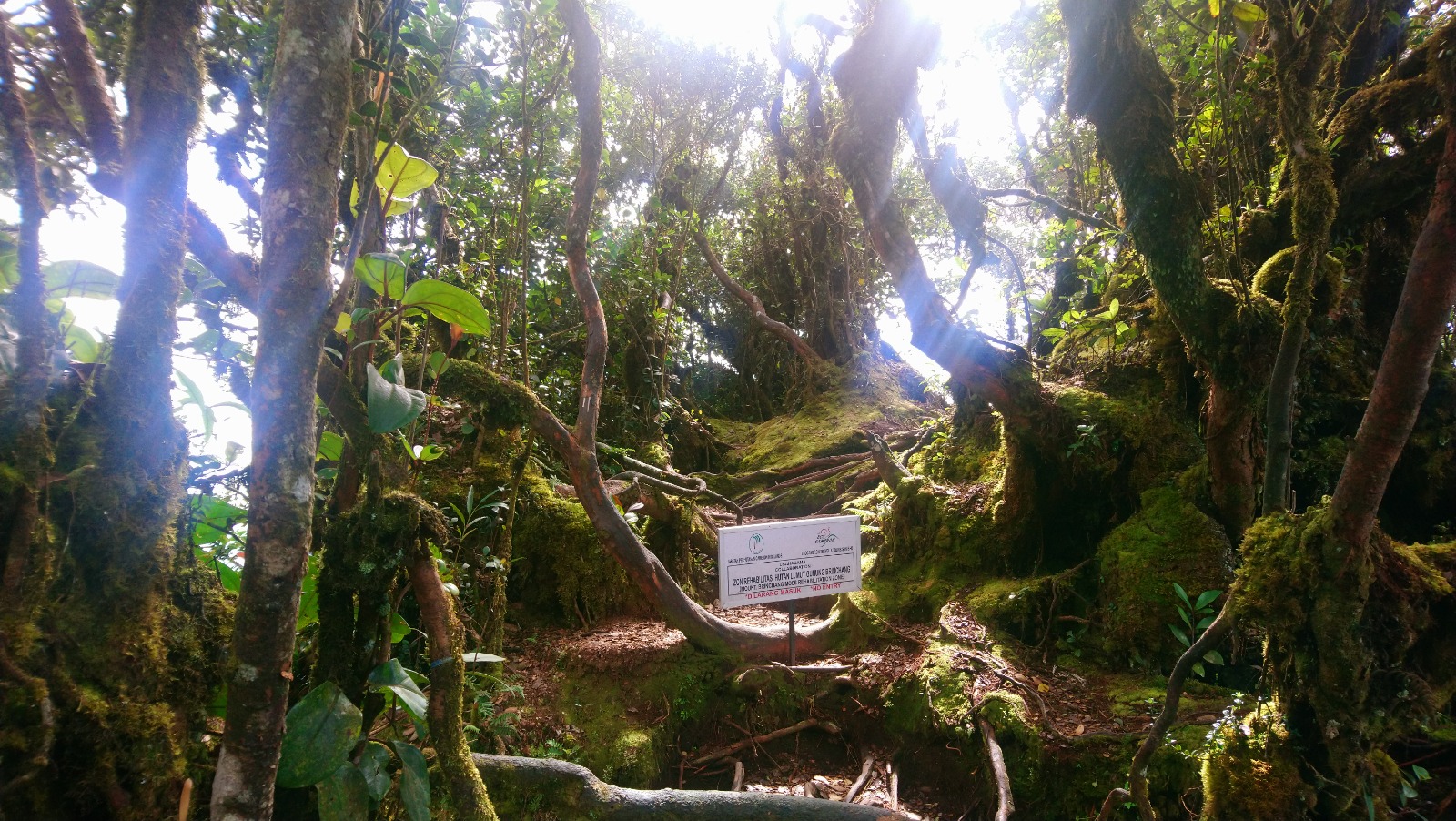
    Originally, cacao trees grew naturally in the shaded underlayer of the rainforest, but for cacao producers, it’s much more efficient to plant “artificial” cacao plantations with more cacao trees and less types of other trees. While this method yields a lot of cacao in the short term, it’s hard on the soil and it invites disease and pests. Farmers can only use these plantations for a few decades before they are no longer viable, at which point they must clearcut another area of forest to plant a new plantation.

    Cacao-producing countries often take steps to protect their forests, but industry doesn’t always comply. A 2017 report by Mighty Earth found that between 2000 and 2014, cacao plantations were to blame for 2.5% of overall tree loss in Ghana. And researchers estimate that 40% of cacao from Côte d’Ivoire – responsible for the majority of the world’s chocolate production – comes from plantations that were illegally founded in national parks and other protected areas. This forest destruction has taken away the habitat for thousands of chimpanzees and elephants, reducing the number of elephants in Côte d’Ivoire to just several hundred.

    The cacao harvested in these clearcut protected areas was sold to major players in the chocolate industry.

    How can we grow more sustainable cacao?

    The best alternative solution is agroforestry, in which other types of plants are planted together with the cacao trees. Agroforestry provides shade to mimic a cacao plant’s natural habitat, and it helps the soil stay fertile for longer. This type of agriculture can also combine cacao with other profitable raw materials such as spice and timber plantations in the same area and helps keep the soil fertile for longer.

    Some producers take a different approach to cacao production. Instead of razing forest to insert a new plantation, they look for existing clusters of cacao trees and restore them. This opens up new opportunities for finding rarer cacao strains and producing a higher-quality, more original product with less degradation for the environment.

    Paying farmers a living wage would also go a long way toward discouraging deforestation. Most farmers receive only a small fraction of the profit that comes out of a chocolate bar, keeping them in a cycle of poverty. In an interview with Confectionary News, the president of the World Chocolate Foundation noted that farmers who struggle to make ends meet may be more inclined to venture into protected forest areas to increase their income.

    What are the problems with the EU deforestation regulation?

    There are several problems with the new legislation. For one, it targets deforestation but not other, similar problems such as damage to savannahs. The EU has pledged to assess these expansions, but that process might take years, and in the meantime producers might simply move from deforesting to destroying savannahs when looking for new land to plant crops. Additionally, the law barely covers human rights, which many would argue are inextricably entwined with raw material production.

    Although they will enjoy a longer adaptation period, smaller producers also worry that they won’t have the resources to undergo the whole certification process. In theory, larger companies might be able to find loopholes or hire expensive lawyers to get certified, and smaller producers might get left behind.

    Finally, as it's up to each European country to set their own penalties and carry out checks, there’s always the risk that some states may be more stringent than others. The minimum required fine will be 4% of a company’s annual turnover, but big companies have deeper pockets to pay fines and continue producing.

    The idea behind the regulation is certainly encouraging, and it’s exciting to see more emphasis being placed on traceability. We can’t bring back forests that are already clearcut – and the regulation only goes back to 2020, so it still lets lots of big producers off the hook for damage they’ve already done.

    What can I do to find deforestation-free chocolate?

    Until the new laws come into force, we can try to find deforestation-free products by supporting smaller brands who are more transparent about the origins of their cocoa.

    Anyone who benefits from products that originate in deforested areas has a responsibility to look for responsible sourcing. But as a consumer, it’s not always easy to know which chocolate comes from fair sources. With chocolate demand always increasing, farmers face a lot of pressure to produce bigger amounts at any cost.

    Cacao is usually grown by small farmers, who sell it to a middleman, who then supplies it to a multinational conglomerate. All of these steps obscure the true origin of the cacao. As The Chocolate Journalistpoints out, you can be fairly sure that if chocolate is cheap, the farmer wasn’t paid a fair wage.

    Most of the big players in the chocolate industry are getting at least some of their cacao from unethical sources. Major companies took a pledge in 2017 to fight back against deforestation, but a report by Mighty Earth found that it’s had virtually no effect.

    Consider looking for smaller labels, and looking for proof of current initiatives instead of pledges to get better in the future. A good way to get started is with the annual Chocolate Scorecard , which ranks major chocolate brands on several ethical measures including deforestation and child labour.

    Danielle Pacheco Chocolatier sources its chocolate couverture from Michel Cluizel, a relatively small French bean-to-bar company that works closely with farmers to ensure fair, sustainable practices and avoids other deforestation-linked ingredients like palm and soy.