Category: Tips

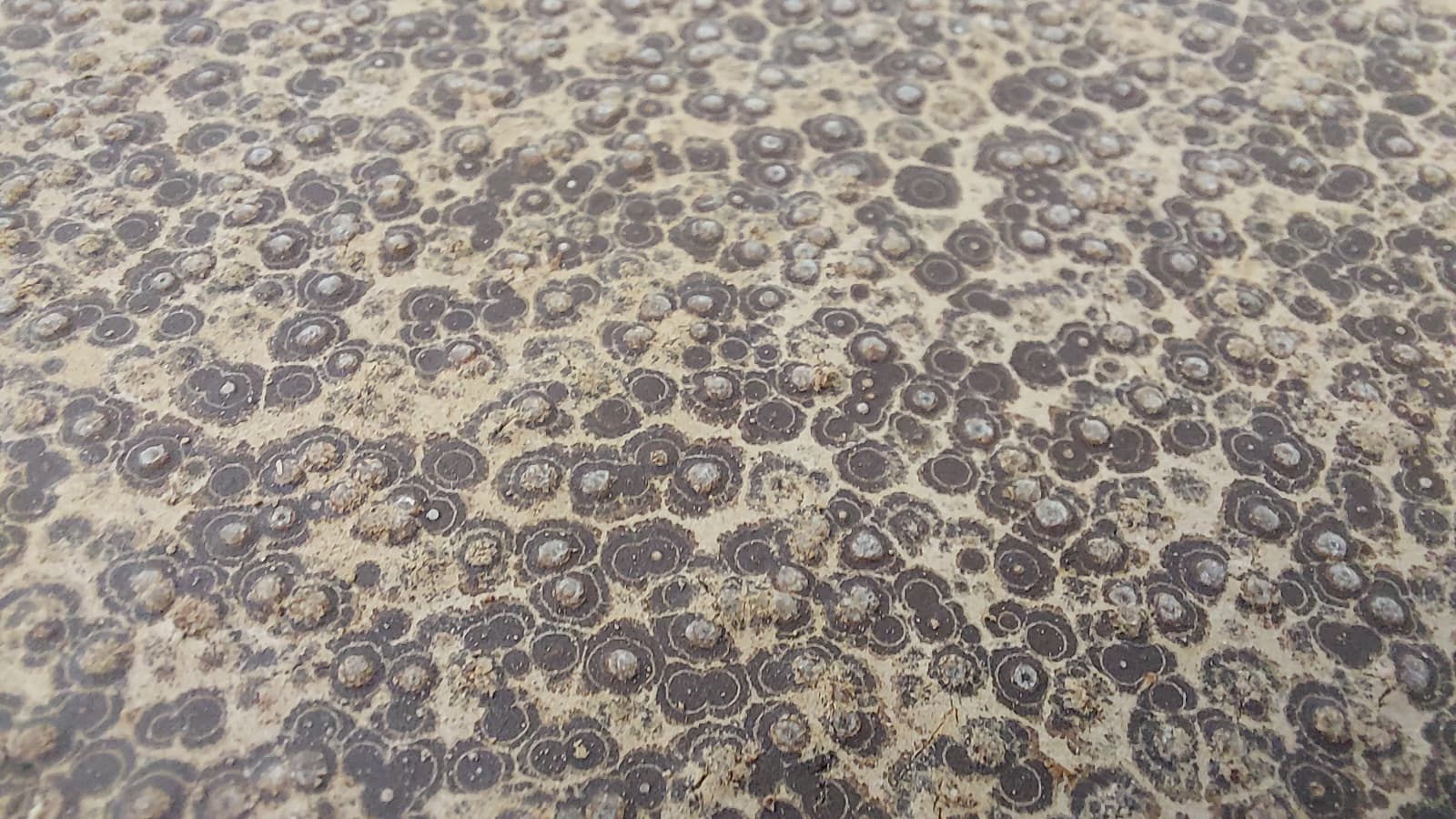
  • ¿Qué son las manchas blancas en el chocolate?

    ¿Qué son las manchas blancas en el chocolate?

    Cuando compramos una tableta de chocolate, nos esperamos a que sea liso y brillante. Pero seguro que has llegado a abrir una tableta y fijarte que tiene manchas blancas. ¿Qué son? Y, lo que de verdad nos importa, ¿estas manchas blancas afectan al chocolate en sí?

    Aunque puedan afectar algo a la textura, queremos recalcar que estas manchas blancas casi nunca significan que deberías tirar tu chocolate. Normalmente, se deben a cambios de temperatura o de humedad, o a un mal atemperado por la persona que ha preparado la tableta.

    Blanqueamiento por grasa

    La estructura del chocolate se debe principalmente a la manteca de cacao, una grasa que puede adoptar diferentes formas de cristales según la temperatura, el movimiento y el tiempo. Los cristales dictan la estructura y por ende la textura del chocolate, pero fundiéndolo por encima de 32 grados, estos cristales se empiezan a deshacer. Si dejamos enfriarse el chocolate sin ensenarle qué tipo de cristales queremos, puede formar cristales inestables. Estos cristales van evolucionando con el tiempo y hacen que el chocolate se vuelva progresivamente más blanco.

    Es muy común encontrar chocolate con blanqueamiento por grasa en tiendas sin aire acondicionado en verano. El chocolate ha estado expuesto a temperaturas altas, y como ya está envuelto dentro de su paquete, nadie ha podido trabajarlo para reorganizar los cristales. Este chocolate está totalmente seguro para comer, pero es posible que al romperlo, notemos que esté algo más blando o desmoronadizo y que no haga el chasquido que solemos asociar con el chocolate.

    Puedes confirmar que el blanqueamiento es debido a la grasa con un simple toque. La calor de la mano fundirá la grasa y la mancha desaparecerá.

    Blanqueamiento por azúcar

    Además de la manteca de cacao, dentro del chocolate también encontramos azúcar, que esta distribuido más o menos uniformemente por todo el conjunto. Pero el azúcar tiene una particularidad: está muy atraído a la humedad. Si exponemos el chocolate a un ambiente muy húmedo, el azúcar de la superficie absorberá la humedad y cambiará su distribución. Allí veremos manchas blancas, a menudo con forma de puntitos agrupados.

    Es por este motivo que aconsejamos evitar guardar el chocolate en la nevera. El blanqueamiento por azúcar no es dañino, pero afecta a la apariencia del chocolate y hace que sea un poco pegajoso al llevar el azúcar en su exterior. Si tienes que guardar el chocolate en la nevera, intenta ponerlo dentro de un contenedor hermético. Cuando vayas a sacarlo, saca el túper entero y déjalo 10-20 minutos en la encimera hasta que su temperatura esté en equilibrio con el ambiente y ya no veas condensación por fuera del bote. Solo entonces puedes abrirlo con la seguridad de que el chocolate no atrapará toda la humedad del frío.

    Abrasión mecánica

    Las tabletas de chocolate suelen estar bien envueltas para protegerlas, pero si alguna vez has comprado chocolate en bolsa para cocinar, habrás visto que tiene muchas manchas blancas. Estas manchas son simplemente por abrasión, porque las gotas de chocolate se han ido chocando dentro de la bolsa. El chocolate es muy sensible y al tocarlo, se daña fácilmente. No se puede hacer mucho para protegerlo, solo envolverlo bien. Pero, como en los otros casos, el blanqueamiento por abrasión mecánica no es peligroso ni afecta a la calidad del chocolate.

    ¿Cómo puedo arreglar el blanqueamiento del chocolate?

    Como ya hemos comentado, el blanqueamiento del chocolate no afecta a su seguridad alimentaria ni a su sabor. Sin embargo, si prefieres disfrutar de un chocolate bien brillante y con el característico crujido y textura dura, hay que volver a atemperarlo.

    El atemperado, otramente dicho precristalización, consiste en fundir el chocolate y volver a llevarlo a estado solido mediante una serie de pautas calculadas para asegurar una correcta formación de los cristales. Normalmente se funde a 45 grados y se enfría rápido hacía una temperatura por debajo de 32 grados, agitándolo para «sembrarlo» con los cristales correctos. Con 1% de cristales correctos, los demás cristales aprenden qué forma tienen que coger. Caen en línea como soldados y el chocolate se va endureciendo tal y como lo queremos.

    Dominar la precristalización del chocolate requiere un poco de practica, así que lo explicaremos en otro post con más detalle.

    Moho

    Raramente, el chocolate puede desarrollar moho. Esto ocurre solo si el chocolate ha sido expuesto a la humedad, ya que el chocolate en sí no contiene agua y por lo tanto no es capaz de fomentar La Vida en sí solo.

    Lo más común es que un chocolate con moho haya cogido humedad por haber estado en la nevera. También podemos encontrar moho en un bombón de chocolate con ingredientes líquidos, como nata o puré de frutas. Es por esto que insistimos en respetar la fecha de caducidad señalada en los bombones de chocolate. Nuestros bombones están formulados con recetas equilibradas para garantizar una cierta vida útil si se siguen las instrucciones de almacenamiento, pero no dejan de ser un producto fresco, a diferencia del chocolate solido que no caduca.
  • El chocolate, ¿caduca?

    El chocolate, ¿caduca?

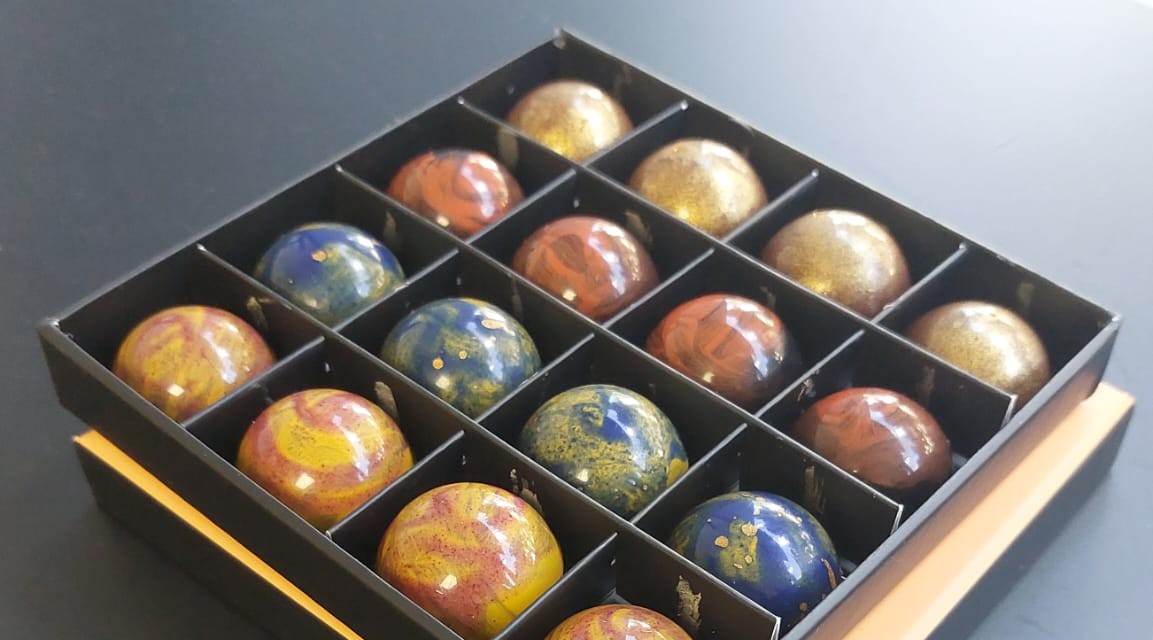
    While pure chocolate doesn't usually expire per se, most artisanal bonbons DO expire.

    Whether or not a chocolate product expires depends on its ingredients. We'll take a look at the different types of chocolate bars and filled chocolates and explore how to ensure you're enjoying chocolate at its best.

    What determines the shelf life of chocolate?

    As with all food, one of the most important factors when determining the shelf life of chocolate is its water content. Bacteria, mould, and other harmful microorganisms can only grow in the presence of liquid.

    Pure chocolate contains mostly fat and sugar. Since it doesn't have any liquid, chocolate doesn't technically expire. It can develop a white sheen, it may lose some of its more complex flavour notes, but if we make sure to keep it away from moisture, chocolate can last for many years and still be perfectly fine to eat (tried and tested!). Milk chocolate and white chocolate are a little more delicate because they contain milk powder, but they're still generally not dangerous to eat. That's why chocolate bars tend to have a "best-before" date instead of a hard expiry date.

    Filled chocolates are another story. If the chocolate filling contains liquid, then a filled chocolate will have a limited shelf life. The most classic bonbon filling, ganache, is based on a blend of chocolate and liquid cream. Chocolatiers follow certain steps to extend the shelf life as long as possible, but the maximum shelf life of a ganache is usually 2-3 months. After this, the bonbon can develop mould growth or proliferation of other harmful microorganisms. That's why it is very important to heed the expiry date and throw away the bonbons if you notice any weird flavours or visible damage.

    At Danielle Pacheco Chocolatier, all of our fillings are balanced and calculated to ensure that our chocolates will be safe to consume within the stated dates as long as you have followed the instructions on the label and stored them in a cool, dry place between 14 and 16 degrees Celsius.

    Alcohol-based fillings, fillings with high acidity, or fillings such as caramel with a high sugar content can last a little longer than a basic ganache. Fillings without liquid, such as nut-based fillings, also last a very long time.

    Supermarkets and other resellers that stock bonbons that they don't make themselves have a problem, because it's very difficult to manage a stock of bonbons that expire every few weeks. That's why the manufacturers of these bonbons use other tricks, like artificial preservatives or alternative fats, to replace the liquid content. The most common technique is to use fats like palm oil in the filling. Palm oil has a silky texture that more or less imitates ganache, although if you've ever compared the taste and texture of artisanal bonbon vs. a supermarket bonbon, you'll agree there's no contest!

    How to know if your chocolate is safe to eat

    In most cases, if you've followed the storage instructions and you haven't reached the expiry date, your chocolate should be perfectly fine to eat before the expiry date. If your chocolate has been exposed to high temperatures or humidity, you might see white marks. These marks are simply the fats and sugars rearranging themselves inside the chocolate, and they don't affect the flavour or the shelf life. In fact, if you touch them, they should melt and disappear.

    Rarely, and usually well after the expiry date, you might see mould growth. This can occur in a filled chocolate due to the liquid content, or even in a solid chocolate bar if it's been exposed to humidity (that's why we recommend against storing your chocolate in the fridge). If there is mould, do not eat!

    What's the best way to store chocolate?

    Ideally, you should store chocolate in a wine fridge at a temperature between 14 and 16 degrees Celsius. Even better if you put it in an airtight container, so it's not affected by the odours of other things in the fridge. Chocolate is also happy in a room-temperature cupboard, around 18 degrees Celsius.

    If you don't have a wine fridge and it's hot in your house, another option is a regular fridge. When storing bonbons in the fridge, it is very important to put them in an airtight container and leave them inside the closed container for around 20 minutes after you take them out of the fridge. Wait until the condensation is gone before opening the container. By allowing the condensation to form on the box instead of directly on the chocolate, you can avoid the sugars in the chocolate absorbing moisture, which can make them sticky and causes them to lose their shine.

    If you have some old chocolate lying around with white marks or less-than -ideal texture, don't throw it out. As long as it doesn't have mould and hasn't been exposed to moisture, you can use it to bake cookies or to glaze a cake.

  • Cómo preparar una taza de chocolate caliente perfecta

    How to prepare the perfect hot chocolate

    There's nothing like a nice cup of hot chocolate to warm up a winter day, but sometimes the thought of actually having to prepare it can make you think twice. We'll share three ways to prepare hot cocoa, some of which are easy and fast and some of which require a bit more time and effort, depending on what you're looking for.

    Personally, I prefer not to add thickeners like cornstarch or rice flour, since I find these dilute the flavour. At Danielle Pacheco Chocolatier we sell our hot chocolate mix in the form of actual chocolate, which contains cocoa butter. In contrast to non-fat cocoa powder, our chocolate retains the capacity to produce a fairly viscous beverage thanks to the cocoa fat, especially when prepared in a saucepan.

    If there's a specific chocolate bar you really like but it's not sold in chopped-up form, you can grate it or chop it into small pieces using a knife (but be careful, because chocolate is hard and the knife can easily slip and cut you - speaking from personal experience!).

    Method #1: Stovetop

    This traditional, nostalgic method requires 10 minutes of stirring while you savour the smell of chocolate that emanates from the pot.

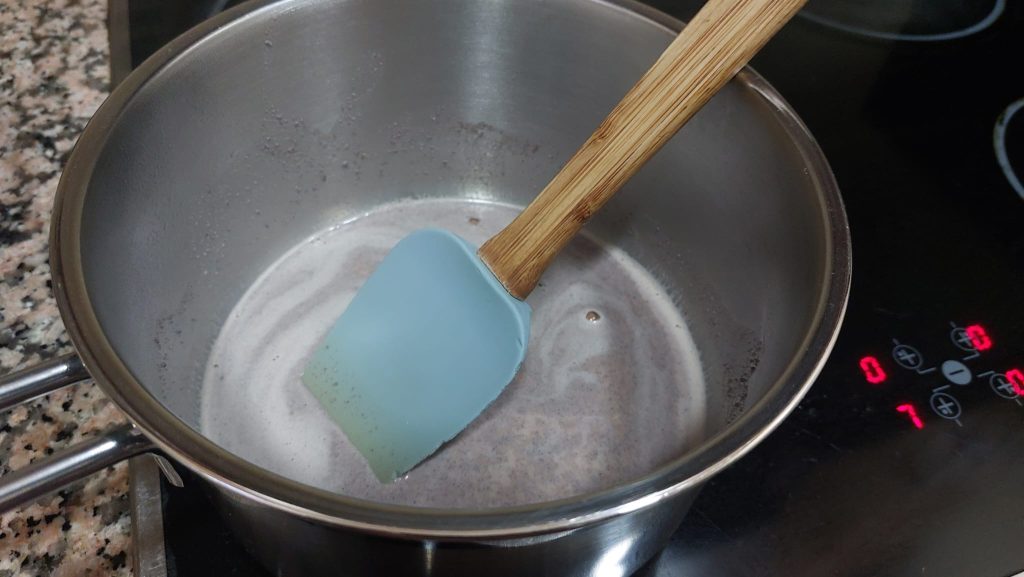
    To start, add 2-3 tablespoons of finely chopped chocolate to a saucepan with around 200 mL of milk. Over medium heat and without letting it come to a boil, stir continuously to melt the chocolate and integrate it into the milk. The longer you leave it over the heat, the thicker the mixture will be.

    Method #2: With an insulated waterbottle

    This is the fastest and easiest way to ensure the chocolate dissolves fully.

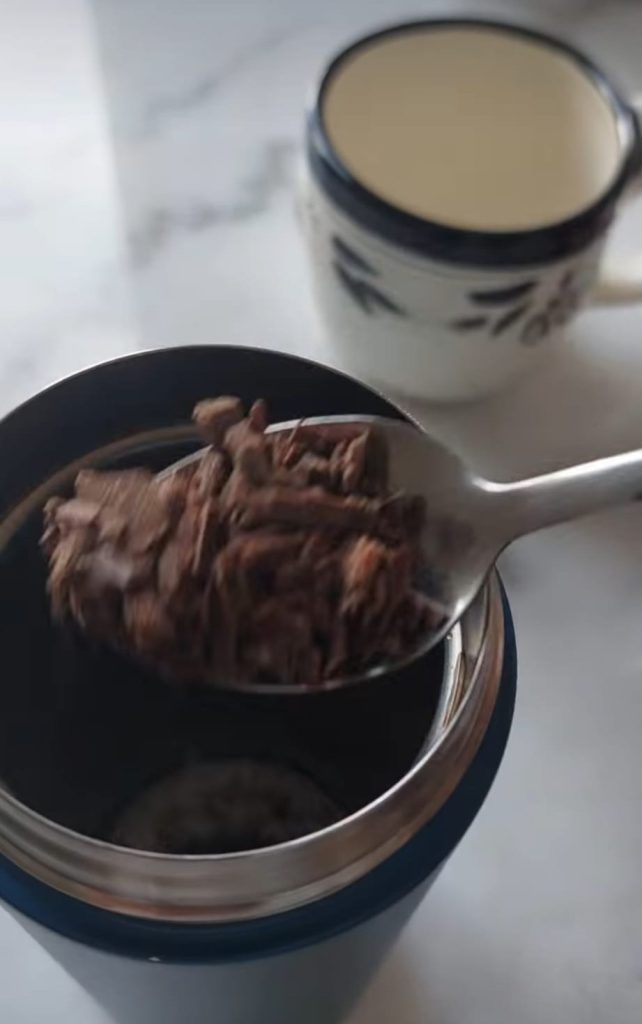
    Set the electric kettle to boil the minimum possible amount of water. It's important to use very, very hot water for this method. In the meantime, add 2-3 tablespoons of finely chopped chocolate to an empty metal waterbottle (the kind that insulates heat).

    Pour just enough boiling water to cover the chocolate, close the bottle well and shake for 30 seconds. You should end up with a thick liquid in which the chocolate is completely melted.

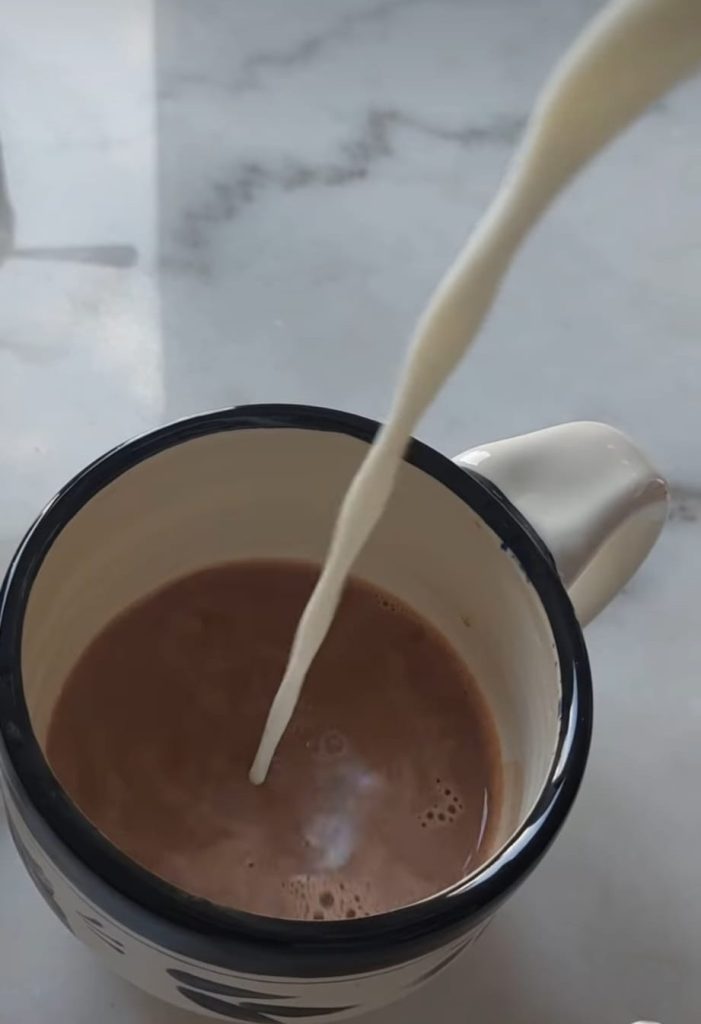
    You can pour this liquid into a mug and top it off with hot milk or plant-based milk (oat milk has a natural viscosity that works well), or drink it on its own. In summer, I like to add a few ice cubes and drink it cold.

    Method #3: In the microwave

    The problem with the microwave is that it doesn't let you stir continuously. If you put in solid chocolate for too long, it can burn. However, the microwave can be a good option if you're working with cocoa powder.

    Add two tablespoons of cocoa powder and a tablespoon of sugar (you can adjust these quantities according to your personal preference) to a mug of milk or plant-based milk. Put it in the microwave for a minute and a half, take it out and stir well. Ready!

    The real secret to a great cup of hot chocolate

    Whichever method you choose, using good-quality chocolate is essential. I recommend using a fine-flavour dark chocolate with at least 70% cacao. You can also play with adding spices or flavourings like orange zest, mint, etc. Add a pinch of salt to bring out the flavour.

  • Cómo cuidar los bombones de chocolate en verano

    How to store your chocolates in the summer

    It's getting warm and your chocolate bonbons are starting to sweat! We all know that chocolate starts melting around 30 degrees - as you might have been able to attest after picking up a chocolate bonbon and watching it melt all over your fingers.

    Although we always recommend storing chocolate out of the fridge, preferably in a dark closet, the fact remains that after a certain temperature your chocolate does become liquid. Not only does this affect shelf life, but it also alters its appearance and structure. Our bonbons weren't designed to eat with a spoon!

    We'll take a look at the best way to store chocolate in summer, and what to consider before storing in the fridge. Sounds too complicated? There's always the option of just scarfing the chocolates back instead of storing them!

    Bombon de caramel y avellana

    Why shouldn't you keep chocolate in the fridge?

    Chocolate has two archenemies: temperature changes and humidity. Putting chocolate in the fridge means changing the temperature, and subjecting it to another temperature change when you take it out again. Most refrigerators are also quite humid, due to their cold temperature and other items in the fridge.

    Some changes you may notice if you put chocolate in the fridge include:

    • Texture changes: Your chocolate bonbon may be harder immediately after coming out of the fridge, but after coming back to room temperature it risks taking on a mushy texture. Fillings like caramel are also delicate and may be subject to texture changes.
    • White marks: Putting chocolate in the fridge can also cause white marks to appear on the surface. These are caused by sugars and fats from the chocolate moving to the surface, which often happens with humidity.
    • Loss of shine: Los bombones brillan gracias a la manteca de cacao, una grasa presente en el haba de cacao y uno de los ingredientes principales del chocolate. La manteca de cacao es muy delicada y puede asumir varias formas dependiendo de cómo la tratamos. Los chocolateros saben cómo manipularla para formar una estructura de cristales que brilla, pero con demasiado calor, frio o humedad, esta estructura se pierde.
    • Strange taste: Since it has a large proportion of fat, chocolate is susceptible to absorbing odours. Putting it in the fridge without properly wrapping it means it may take on the aromas of other things in the fridge: onions, tomato soup, lettuce...

    So, when can I keep chocolate in the fridge?

    The optimal temperature for conserving chocolates is up to 20 degrees Celsius. Cocoa butter starts to lose its shine around 23 degrees, and above 27 degrees your chocolate will take on a noticeably soft and melty texture.

    If you plan to eat your chocolates soon and you're not too fussed about the shine, it's ok to leave them out of the fridge for a few days. Just keep in mind that this will affect the shelf life, and if they're meant as a gift, they won't look as nice.

    At Danielle Pacheco Chocolatier we store our bonbons in a wine fridge (with no wine). The fridge is set between 14 and 16 degrees Celsius and contains a small, open bowl of baking soda to absorb humidity. For deliveries, we use a thick isothermic bag, wrap the chocolate box in a clean kitchen towel and add a few reusable ice blocks to the bag. This keeps the chocolates at approximately 15 degrees.

    How should I store my chocolate in summer?

    The ideal place to keep your chocolate is inside an airtight container in a wine fridge. If you don't have a wine fridge, you can also keep it in a regular fridge, but you may not get the same results.

    Be sure to protect your chocolate using a sealed container, preferably one that leaves little room for air around the bonbons. The goal is to slow down the temperature changes to prevent condensation from forming. You may also consider wrapping the box in extra layers of tinfoil or clean cloths.

    Guardar el chocolate dentro de la caja evita que la condensación se forma sobre los bombones. Cuando vayas a sacar los chocolates de la nevera, guardalos dentro del contenedor hermético unos 20 minutos o hasta que veas que ya no haya condensación en su exterior. Esto asuaviza la transición a la temperatura ambiente para proteger los bombones de la humedad.

    If you're looking to keep the chocolates for many weeks or months, you can also freeze them. We recommend first putting them for 24 hours in the fridge, and then the freezer. When you take them out of the freezer, follow the same process: first move them to the fridge for 24 hours, then to room temperature for 24 hours without taking them out of the box. This process helps protect against temperature shocks.

    Of course, we always recommend enjoying your chocolates at room temperature, between 18 and 20 degrees. The chocolate will melt in your mouth and the flavours will be more complex than if you eat them straight out of the fridge.

    Why are there white marks on my chocolate?

    Chocolate can get white marks from sugar or fat - it's very rare for pure chocolate to get mouldy, as it has a high sugar and fat content and virtually no moisture. The so-called sugar and fat bloom don't affect the taste or the shelf life of the chocolate. They are safe to eat, although they may alter the texture and the appearance.

    You might have noticed white marks from fat bloom when buying chocolate bars that have sat in a warm warehouse before being sold in an air-conditioned store. You can recognize fat bloom because it melts and disappears when you touch it, as a result of the cocoa butter crystals reorganizing.

    By contrast, sugar bloom usually appears due to humidity. Water attracts sugar crystals to the surface of the chocolate, where they reorganize and form white marks. Humid environments and temperature changes are the usual culprits of sugar bloom, and storing chocolates in the fridge unites both these conditions.